
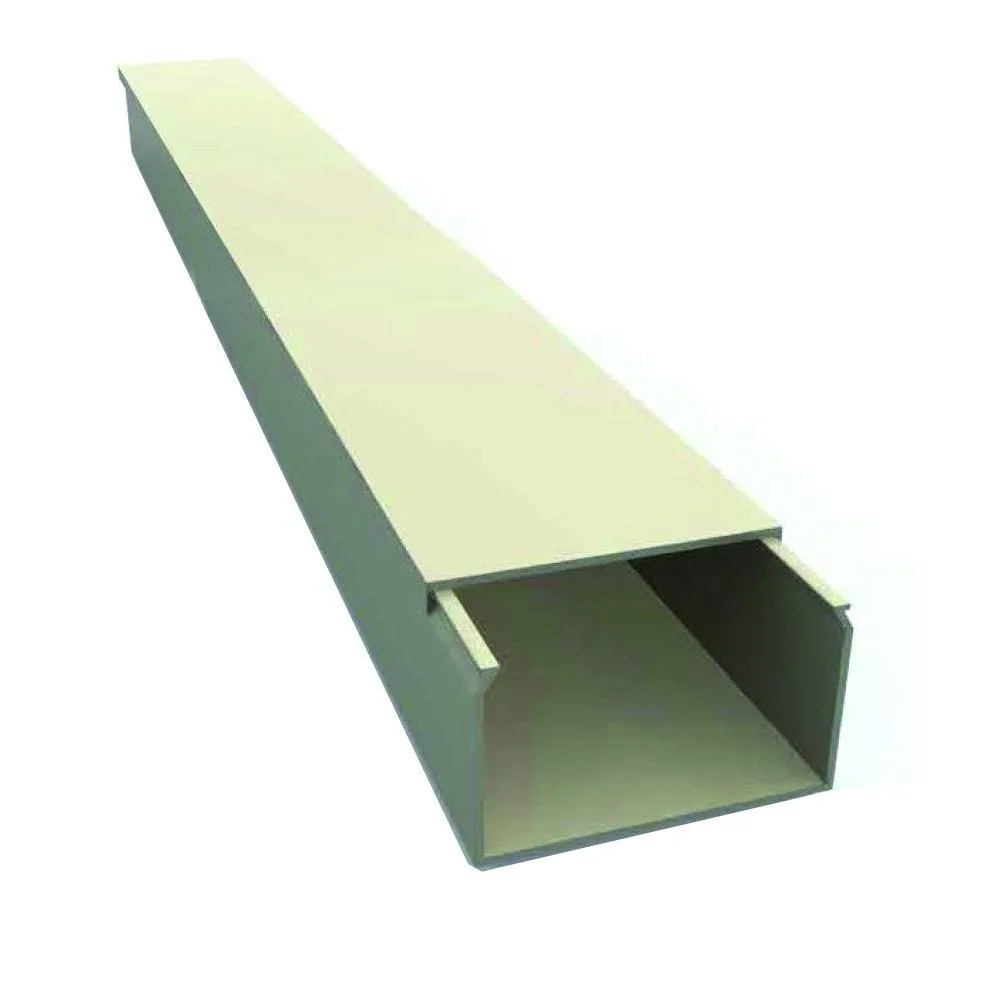
Exposed cables are not just an eyesore — they're a trip hazard and in some cases an electrical safety risk. This guide explains how to manage cables efficiently with PVC cable ducts, zip ties and cable saddles, including Israeli electrical regulation requirements.
Quick Summary
✅ Palgal PVC cable duct 30×17 suits surface wiring on walls and drywall.
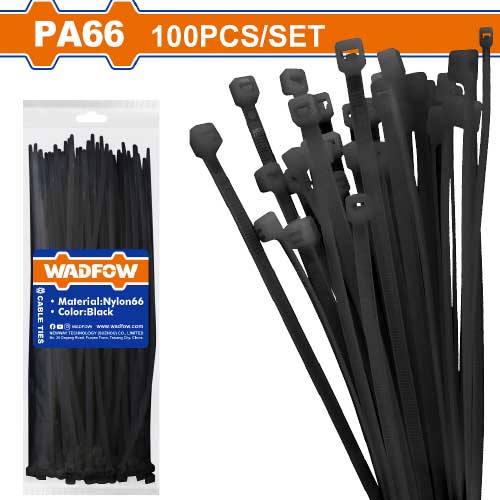
💡 Zip ties are for bundling cables — don't overtighten (will damage cable sheath).
⚠️ Israeli electrical regulations: power cables (230V) and communication cables must be in separate conduits.
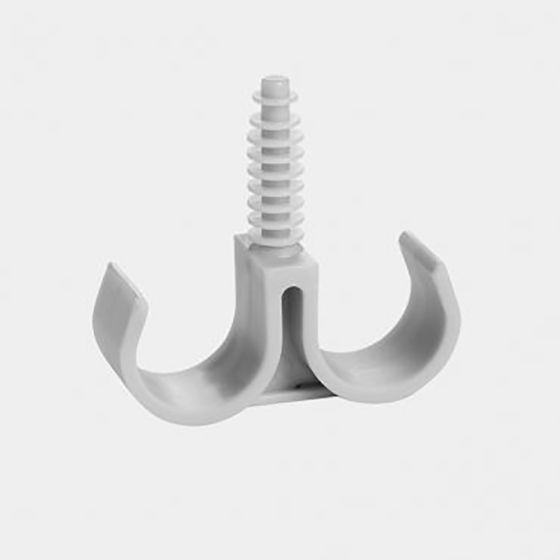
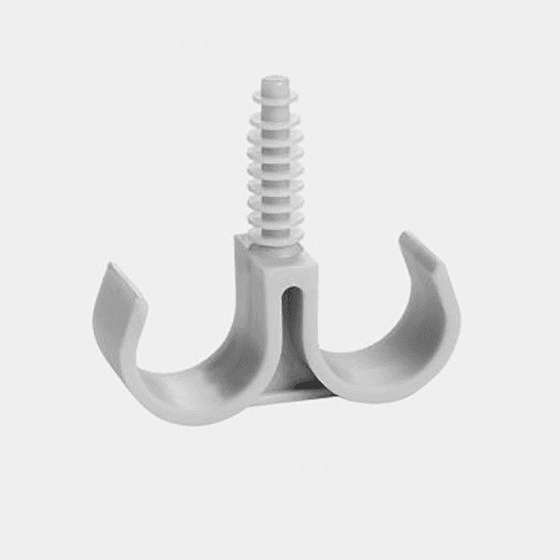
🔧 Double plastic cable saddle 25mm (box of 100) perfect for securing individual cables to walls.
📦 Buying in bulk (100 pcs) saves ~40%.
What You Need Before Starting 🧰
For professional cable management: Palgal cable duct 30×17 (2m, ₪14), quality zip ties (RAMOX, from ₪2), double cable saddles 25mm (box of 100, ₪39), cable comb for grouping, pencil and ruler for marking, drill for saddle installation, cable cutters to trim zip tie tails.
⚠️ Warning Before Starting
Per Israeli electrical regulations — low-voltage wiring (230V) must be physically separated from communication cables (LAN, phone, antenna). Never combine both in the same PVC duct.
Step by Step — How to Do It Right 👷
Step 1 — Plan the route: Measure and plan the cable path. Plan cable grouping points near the electrical entry wall. Separate power cables from communication cables.
Step 2 — Install cable duct: Cut Palgal 30×17 to the required length with a fine-tooth saw. Stick to wall with duct adhesive or screw in place. Snap the lid open to add cables, press to close.
Step 3 — Load cables into duct: Insert cables one by one, never force. A 30×17 duct comfortably holds up to 4 cables of 6mm diameter.
Step 4 — Install cable saddles: Mark the wall at regular intervals (every 20–30cm). Drill 6mm at 25mm depth. Insert 25mm double saddle and clip cable in.
Step 5 — Bundle cables with zip ties: Group a cable bundle and fasten with a RAMOX zip tie. Pull until it clicks — don't over-pull (creates pressure on cable). Cut excess tail with cable cutters.
Step 6 — Final check: Verify every cable is accessible for maintenance, no sharp bends (minimum radius = 10× cable diameter), and every saddle holds firmly.
💡 Pro Tip
Label each cable with a colored tag before routing into the duct — future maintenance will save hours of tracing. White zip tie = power; black = communications; color = custom.
Buy at ramo.co.il 🛒
Products You'll Need ⭐

Frequently Asked Questions ❓
What's the difference between a cable duct and conduit?
A PVC cable duct (like Palgal) is a surface-mounted channel clipped/glued to the wall — easy to install and visually clean. Conduit (round pipe) is embedded inside a concrete wall — suited for new construction wiring.
Can I put 220V and LAN cables in the same duct?
No — Israeli electrical regulations prohibit combining power cables (230V) with communication cables (LAN, phone) in the same duct. Use separate ducts.
How many cables fit in a 30×17 duct?
A 30×17mm duct comfortably holds 3–4 cables of 6mm diameter, or 2 cables of 10mm diameter. Never fill more than 40% of the duct's internal volume.
Conclusion
Organized cable management isn't just aesthetics — it's safety and easier future maintenance. All products are in stock at ramo.co.il.