
Pliers are essential in every toolbox — but there are dozens of types, and choosing the wrong one can damage wires, screws, or the workpiece. This guide explains the differences between common types, when to use each, and how to maintain them for years of use.
Quick Summary
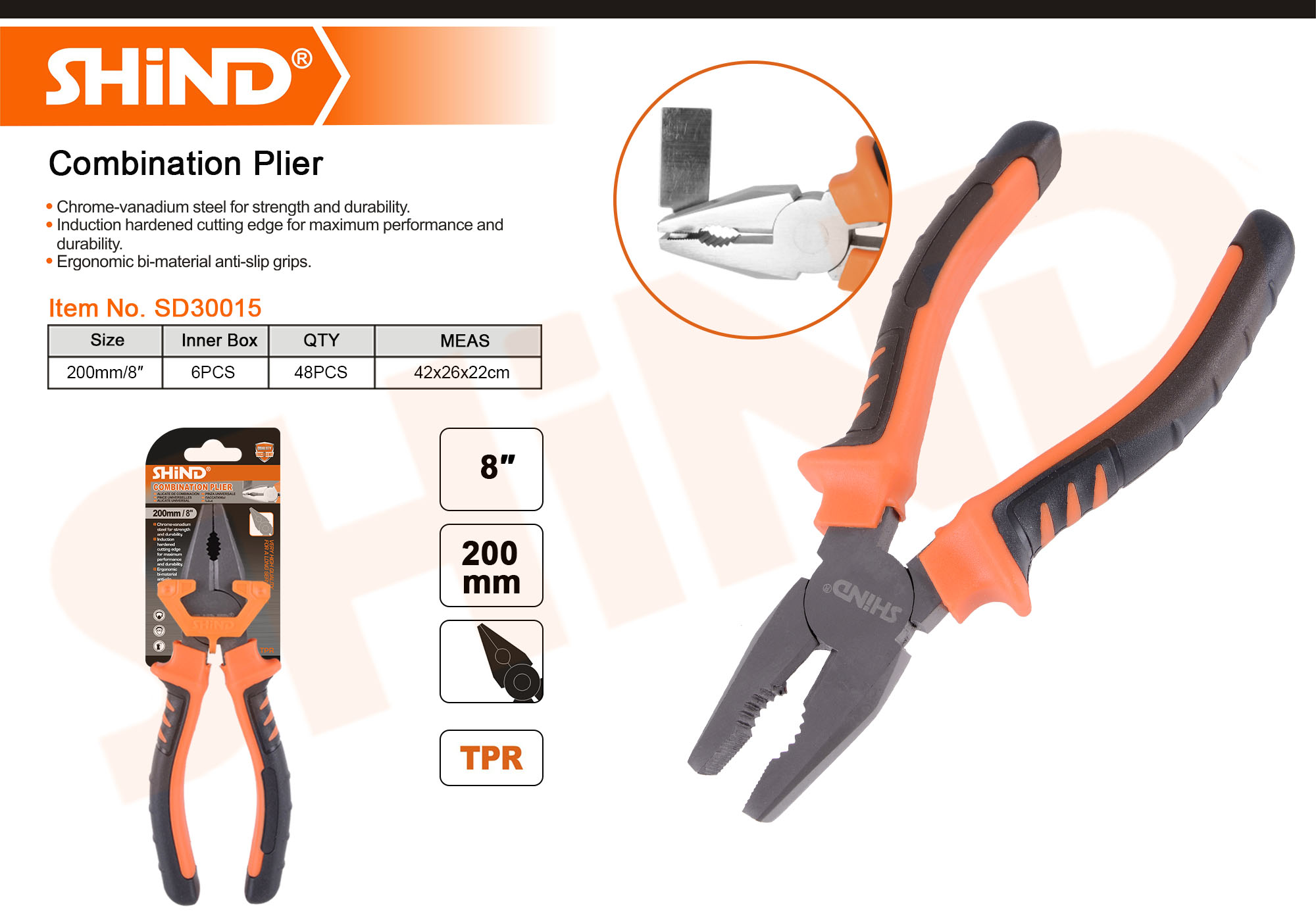
✅ Combination pliers — most versatile: gripping, bending, light wire cutting
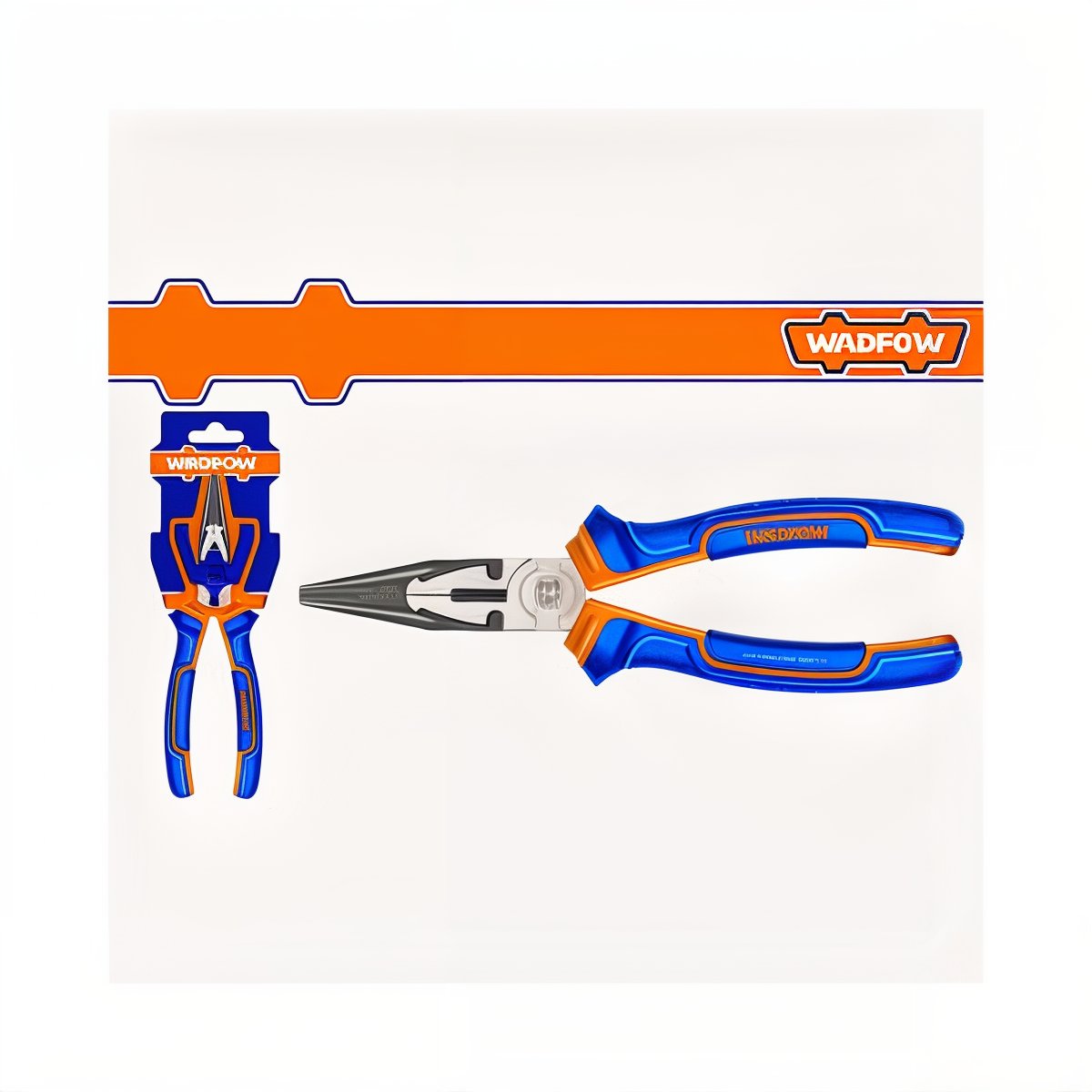
✅ Long-nose pliers — for narrow spaces and thin wires
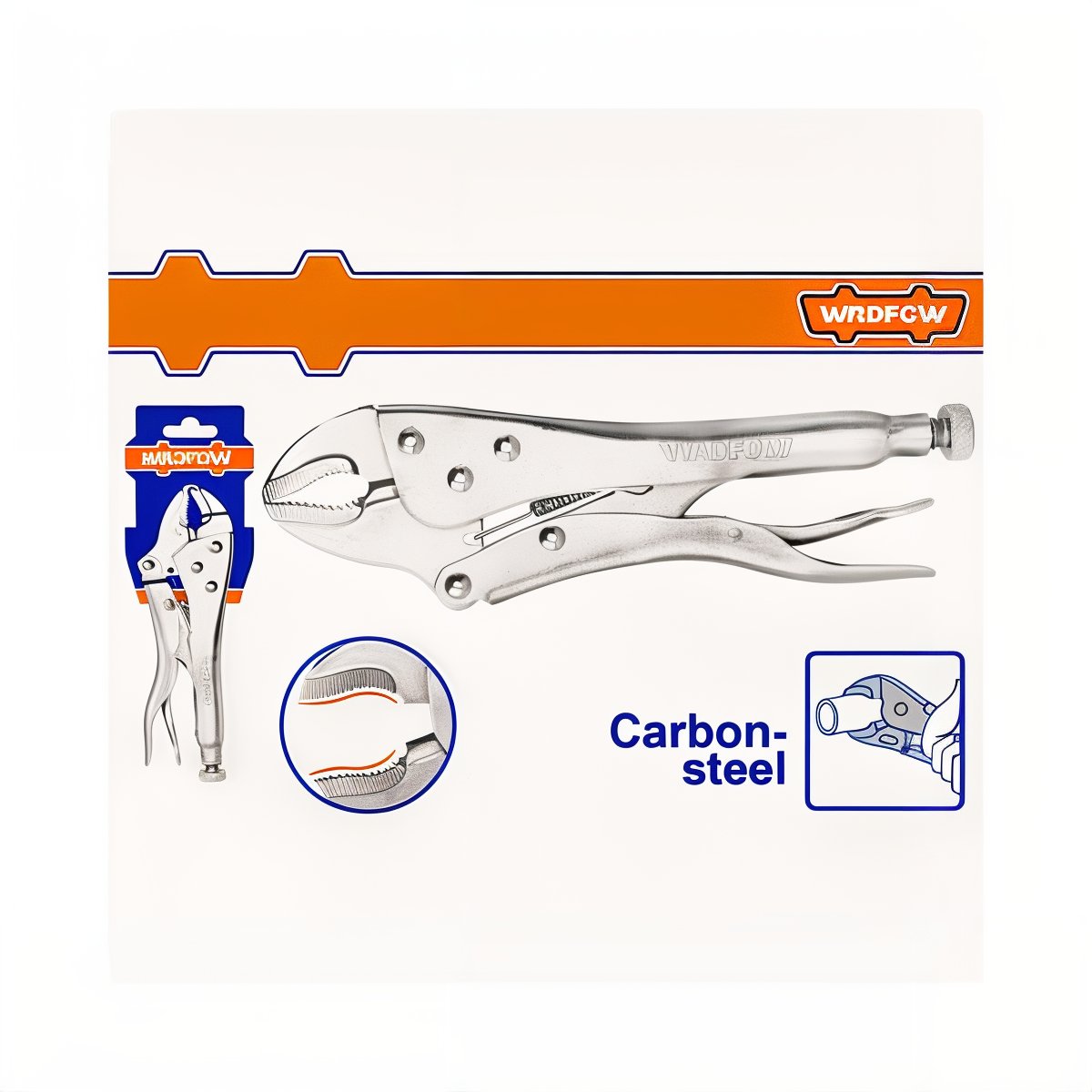
✅ Locking pliers (patent) — for firm hold without continuous hand pressure
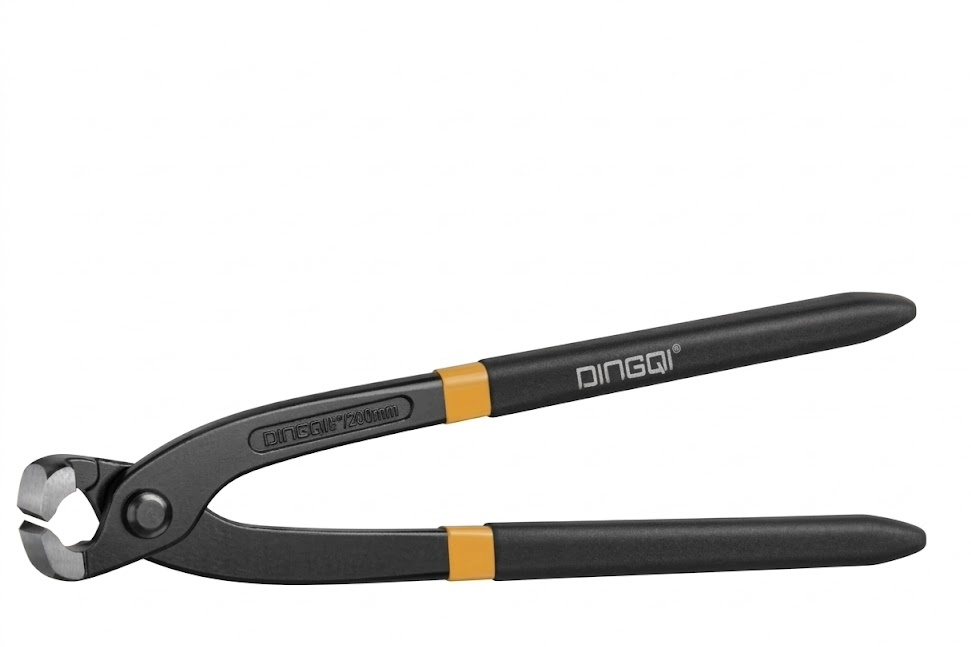
✅ Tower pincer — for pulling large nails and formwork
🛒 Prices from ₪15 to ₪47 for professional SHIND combination pliers (VAT included)
What You Need Before Starting 🧰
For plier work:
- The right pliers for the job (see table)
- Insulated gloves — mandatory for any electrical work
- WD-40 or oil to lubricate the pivot after heavy use
- Various sizes: 6", 7", 8" — different sizes for different spaces
⚠️ Important Warning
Never use regular pliers for electrical work without checking they are insulated! Most pliers are NOT insulated unless 1000V is explicitly marked on the handle. For electrical work — always use certified insulated pliers.
Step-by-Step — Correct Use of Pliers 👷
1. Choose the right type: Combination pliers for general gripping and wire cutting; long-nose for thin wires and tight spaces; locking pliers for locked grip; tower pincer for pulling large nails.
2. Jaw alignment: Position the pliers so the full jaw width covers the object — partial grip causes crushing and damage.
3. Cutting wires: Use the inner cutting edge of combination pliers. Place the wire deep in the 'throat', not at the tip — this gives a clean cut, not a crush.
4. Using locking pliers: Adjust the inner screw to slightly less than the object's width, then lock. The lock allows hands-free work.
5. Pulling nails with tower pincer: Place a small board under the jaws to increase leverage. This pulls nails without scratching the surface.
6. Maintenance: Wipe and oil the pivot after use. Dry, dusty pliers seize up and fail quickly.
💡 Pro Tip
For thin copper wires, always use long-nose pliers — combination pliers crush and burn the wire at the cutting jaw. For cutting electrical cable — use dedicated cable cutters only.
Products at ramo.co.il 🛒
Featured Products ⭐

Professional Integrated Flyer 200mm 8" CRV - SHIND Model
₪35
View product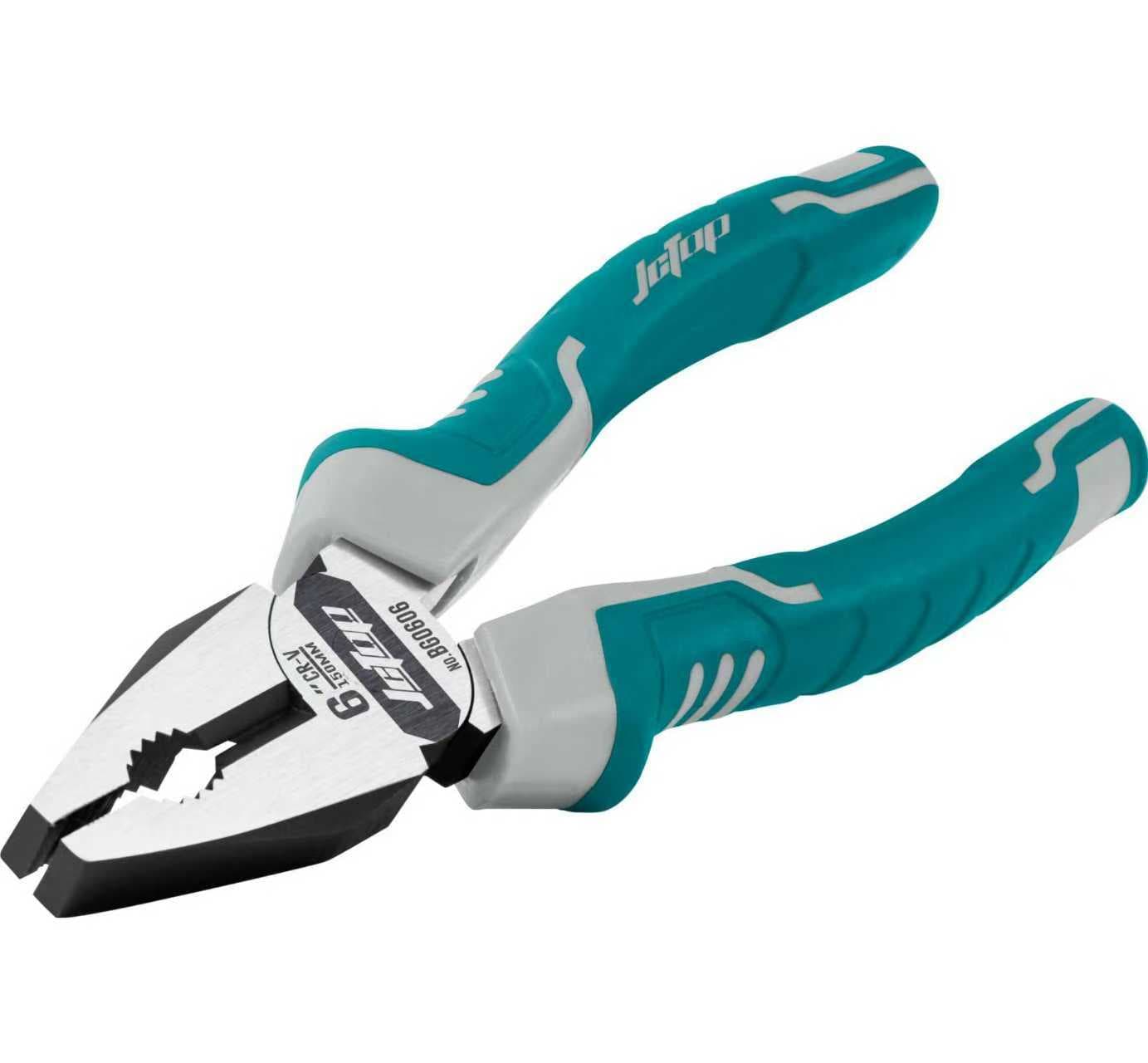
Professional 7" Integrated Flyer 175mm jctop
₪22
View product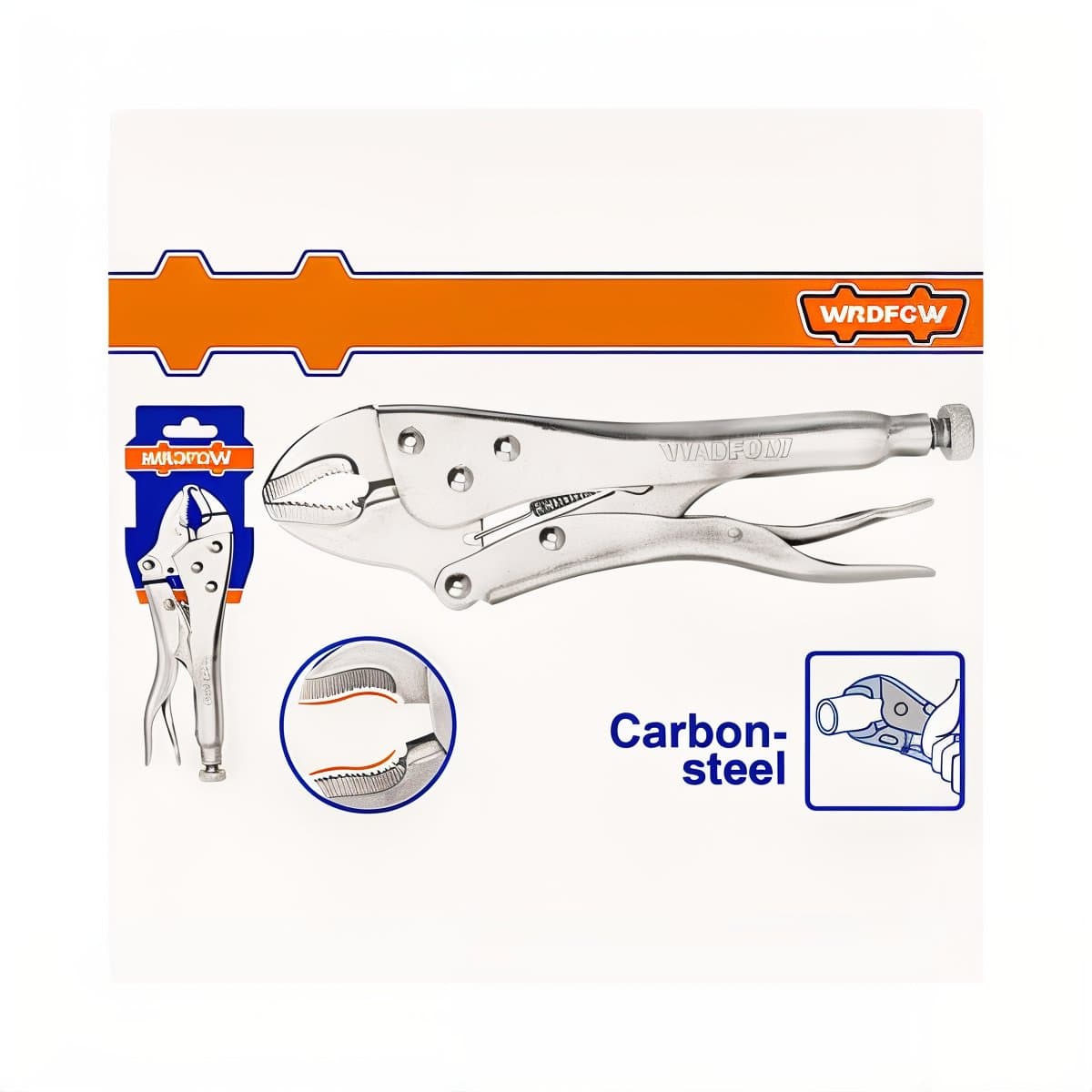
Patent Pliers – Versatile Hand Tool for Every Task
₪16
View product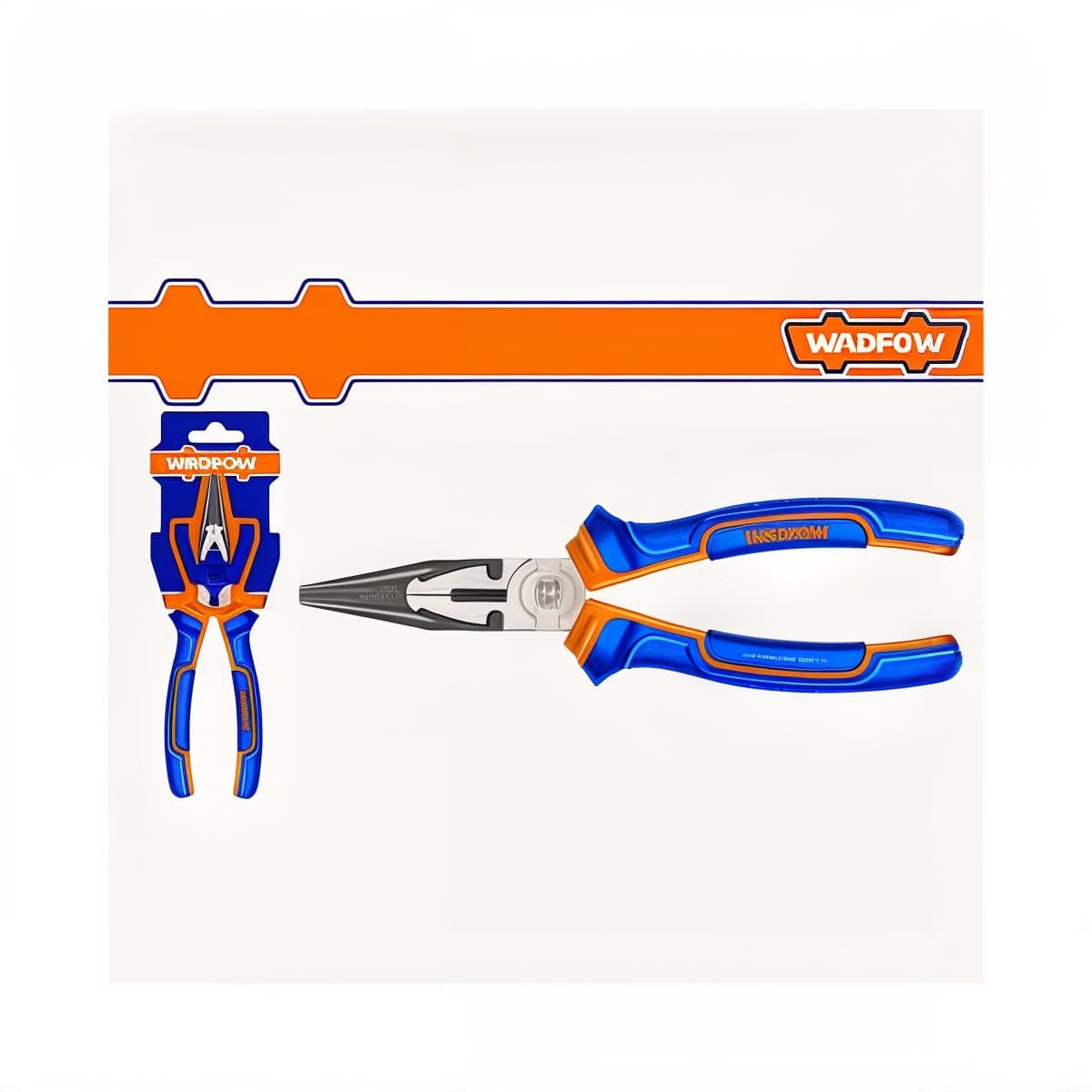
Long Nose Pliers 6" / 8" – High-Quality Tool for Every Need
₪18
View product
8" Formwork Pliers / 200 mm - DINGQI Tower Pincer
₪30
View productFAQ ❓
What size pliers are best for home use?
7"–8" (175–200mm) pliers are most common for home work: comfortable, strong enough, and not bulky. For tight spaces — 6" long-nose pliers.
Are CRV pliers better than regular ones?
Yes. CRV (Chrome Vanadium Steel) is harder and more wear-resistant. CRV pliers will last years longer than regular steel pliers under daily professional use.
Can I use the same pliers for both electrical and plumbing work?
Technically yes, but ideally no. Use insulated pliers (marked 1000V) for electrical, and heavy-duty pliers for plumbing. Cross-contaminating tools shortens their lifespan.
Conclusion
With the right pliers, every job — from electrical wiring to plumbing — is done with precision and safety. Choose from SHIND, RAMOX and DINGQI at ramo.co.il.