
Using the wrong drill bit is the most common mistake in renovations — it cracks tiles, dulls bits fast and leaves messy holes. This guide explains how to choose and use the right drill cup or hole saw for every material, from concrete walls to ceramic tiles to metal pipes.
Quick Summary
✅ Concrete/masonry → SDS bit with hammer mode
✅ Ceramic/glass → Ceramic drill bit in rotation-only mode (NO hammer!)
✅ Steel/wood/PVC → Bi-metal hole saw at correct diameter
✅ SDS or Impact cup guide adapters fit large hole saws to standard drills
⚠️ Always mark center point first — prevents bit from wandering
What You Need Before Starting 🧰
Prepare: a drill/driver (18V+ cordless recommended for heavy work), hole saws in the required diameters, an SDS cup guide (for SDS shank drills) or hex cup guide (for 1/4" drills), an Impact cup guide for very large holes (up to 230mm), a glass/ceramic drill bit for tiles, an assorted drill bit set for concrete/steel/wood, a drill bit for screwdriver for precision screwing, plus a pencil, ruler and masking tape.
⚠️ Key Safety Warning
NEVER use hammer mode when drilling ceramic tiles — the vibration will crack them instantly. Switch to rotation-only mode. Also, before drilling into any wall, use a detector to check for hidden electrical cables or water pipes.
Step by Step — How to Drill Correctly 👷
Step 1 — Mark the hole: Use a pencil and level to mark exactly. For tiles, stick masking tape over the spot to prevent the bit from skating.
Step 2 — Choose the right bit:
- Concrete/brick → SDS masonry bit, hammer mode
- Ceramic/glass → ceramic/glass drill bit, rotation-only, low speed
- Wood → spiral wood bit or wood hole saw
- Steel/PVC → HSS bit or bi-metal hole saw
- Large holes (14–230mm) → hole saw + SDS guide or Impact cup guide
Step 3 — Fit the adapter: Insert the SDS, hex or impact cup guide into your drill chuck. Fit the hole saw to the guide and lock. Ensure the center pilot bit protrudes 5-10mm beyond the saw teeth.
Step 4 — Drill: Center the pilot bit on your mark. Concrete: hammer on, steady pressure. Ceramic: rotation-only, light pressure, slow speed. Metal: medium speed, no hammer, add cutting oil for thick metal.
Step 5 — Clean up: Remove the bit and clear swarf from inside the cup. Blow dust from concrete holes before inserting anchors.
Step 6 — Finish: Check hole diameter matches the anchor or pipe going in. For concrete, use the SDS max flat chisel to clear any remaining debris.
💡 Pro Tip
When using a hole saw on steel, apply a drop of cutting oil to the metal surface first. This cools the teeth, extends the saw's life 3x and prevents overheating that dulls the teeth prematurely.
Products at ramo.co.il 🛒
| Image | Product | Price (incl. VAT) | Stock | Buy |
|---|---|---|---|---|
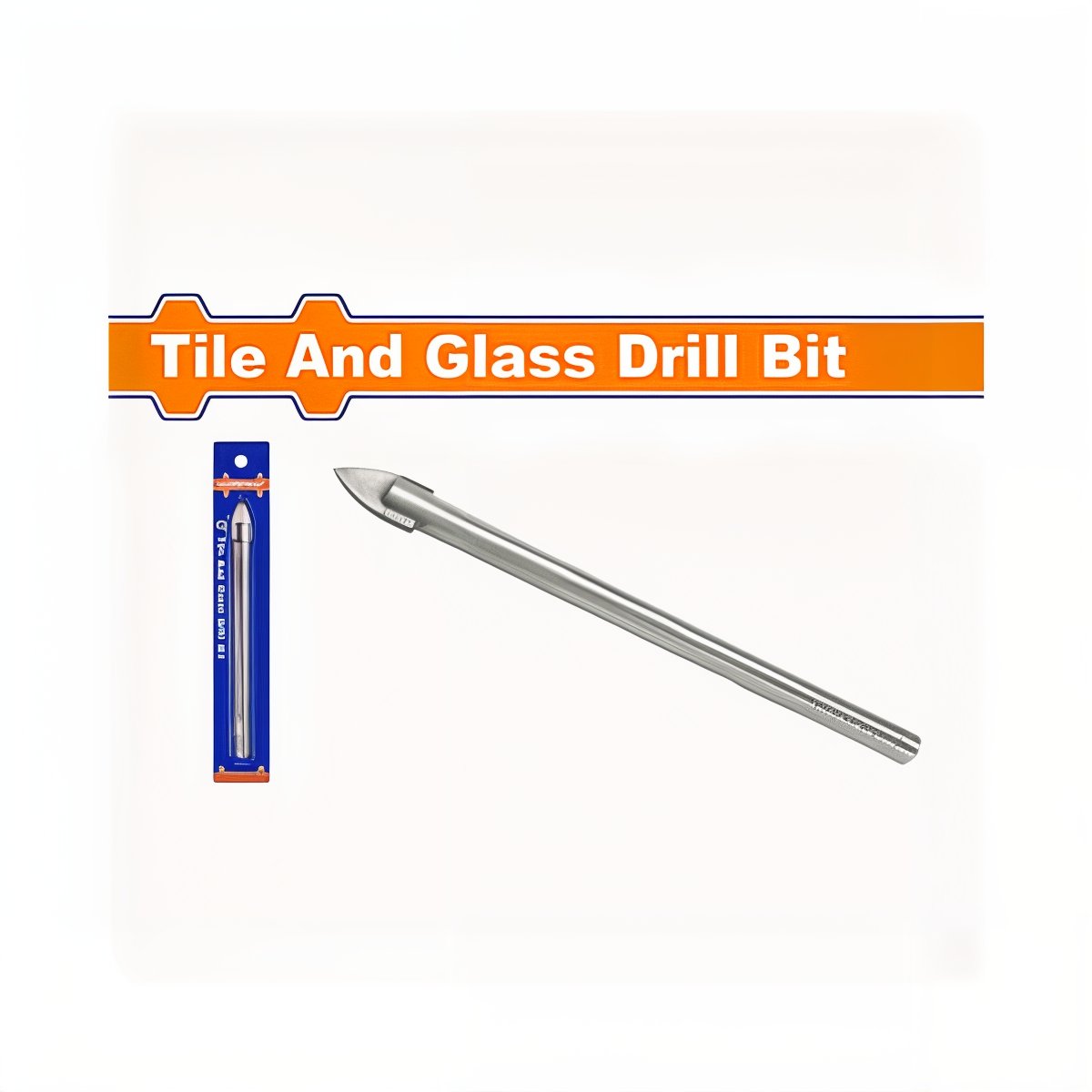 | Glass / Ceramic Drill Bit | **₪11** incl. VAT | ✅ In stock | 🛒 Buy |
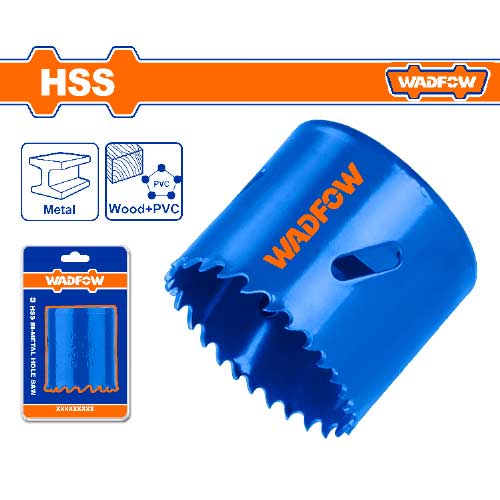 | Hole Saw Steel / Wood / PVC | **₪17** incl. VAT | ✅ In stock | 🛒 Buy |
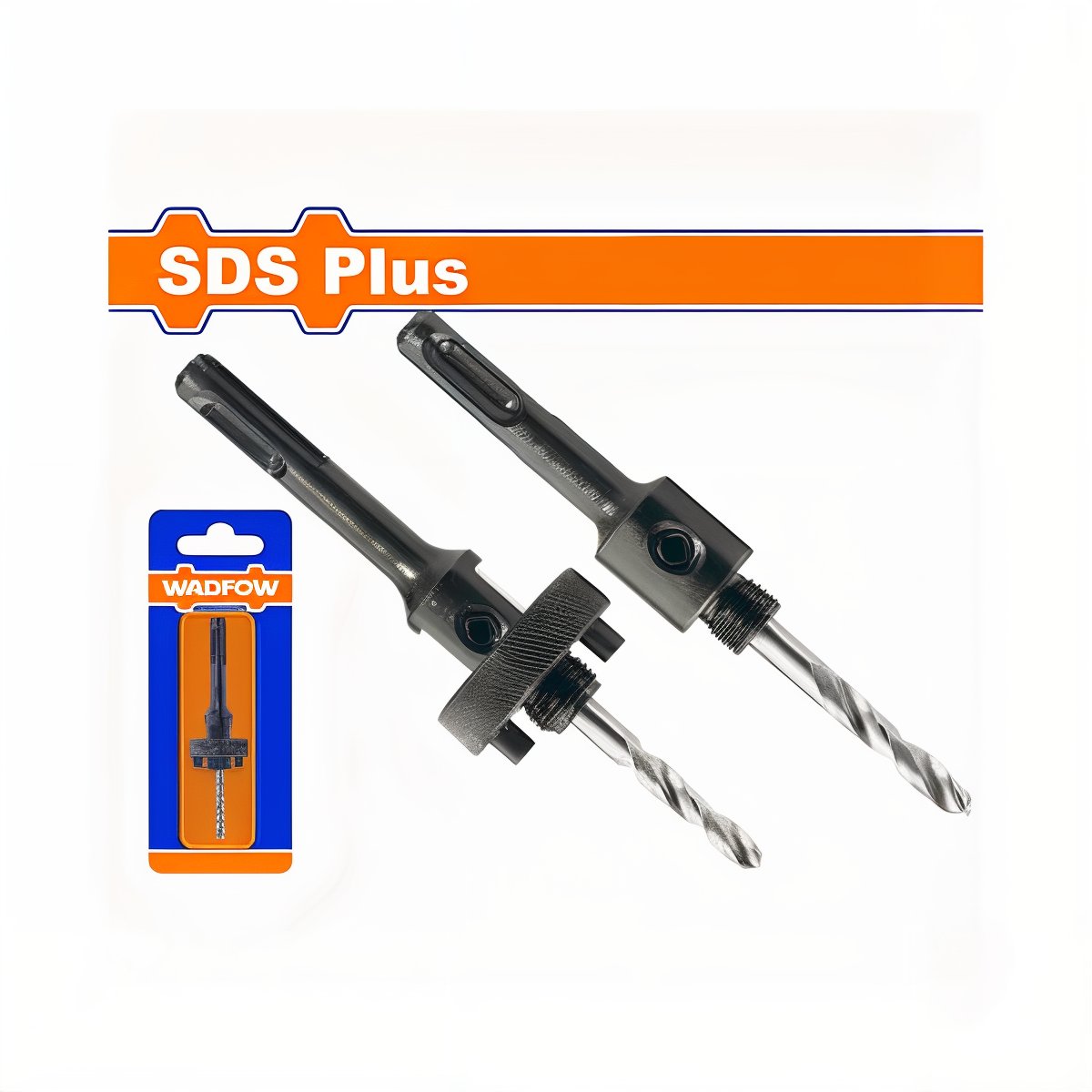 | SDS Cup Drill Guide (14-210mm) | **₪19** incl. VAT | ✅ In stock | 🛒 Buy |
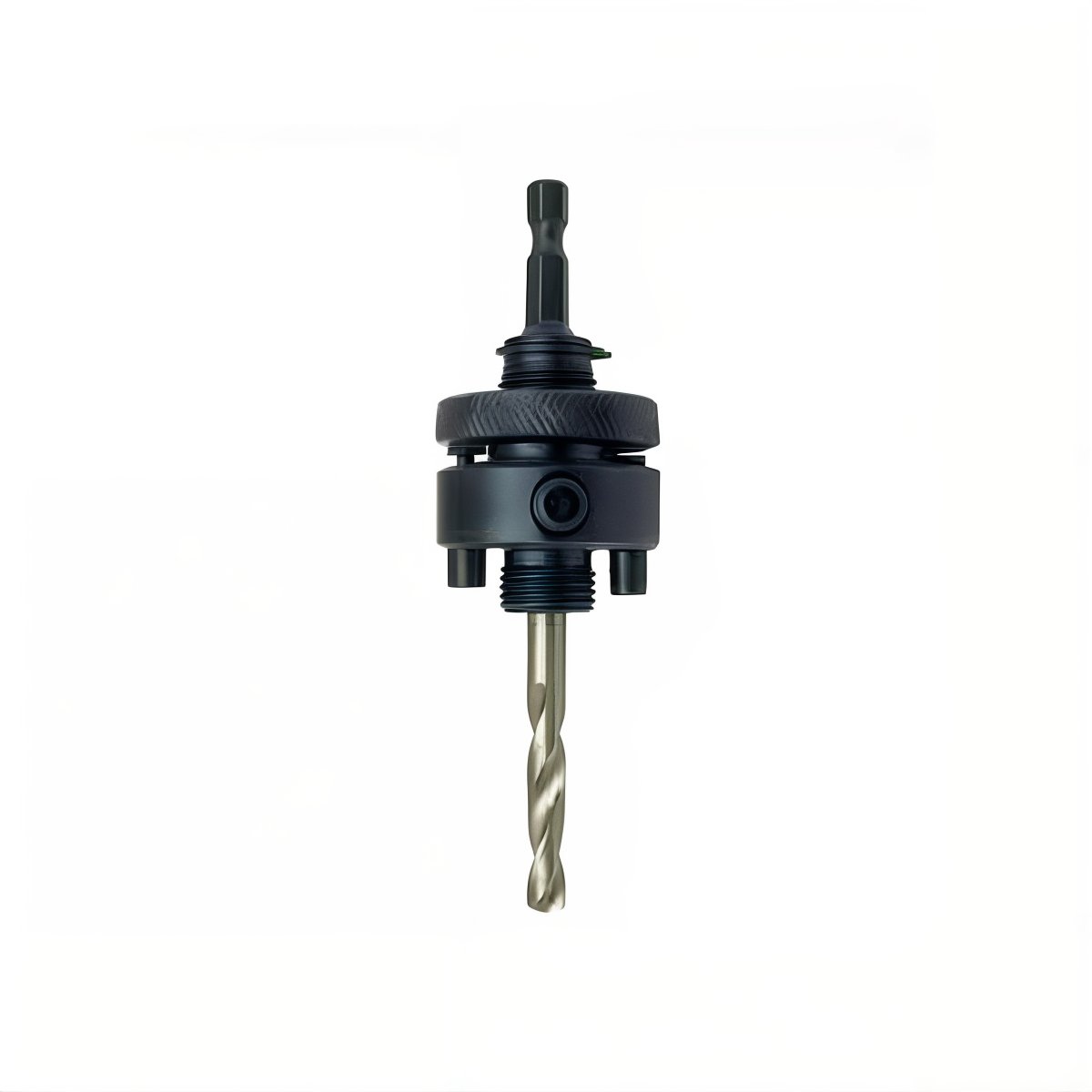 | Impact Cup Drill Guide (13-230mm) | **₪24** incl. VAT | ✅ In stock | 🛒 Buy |
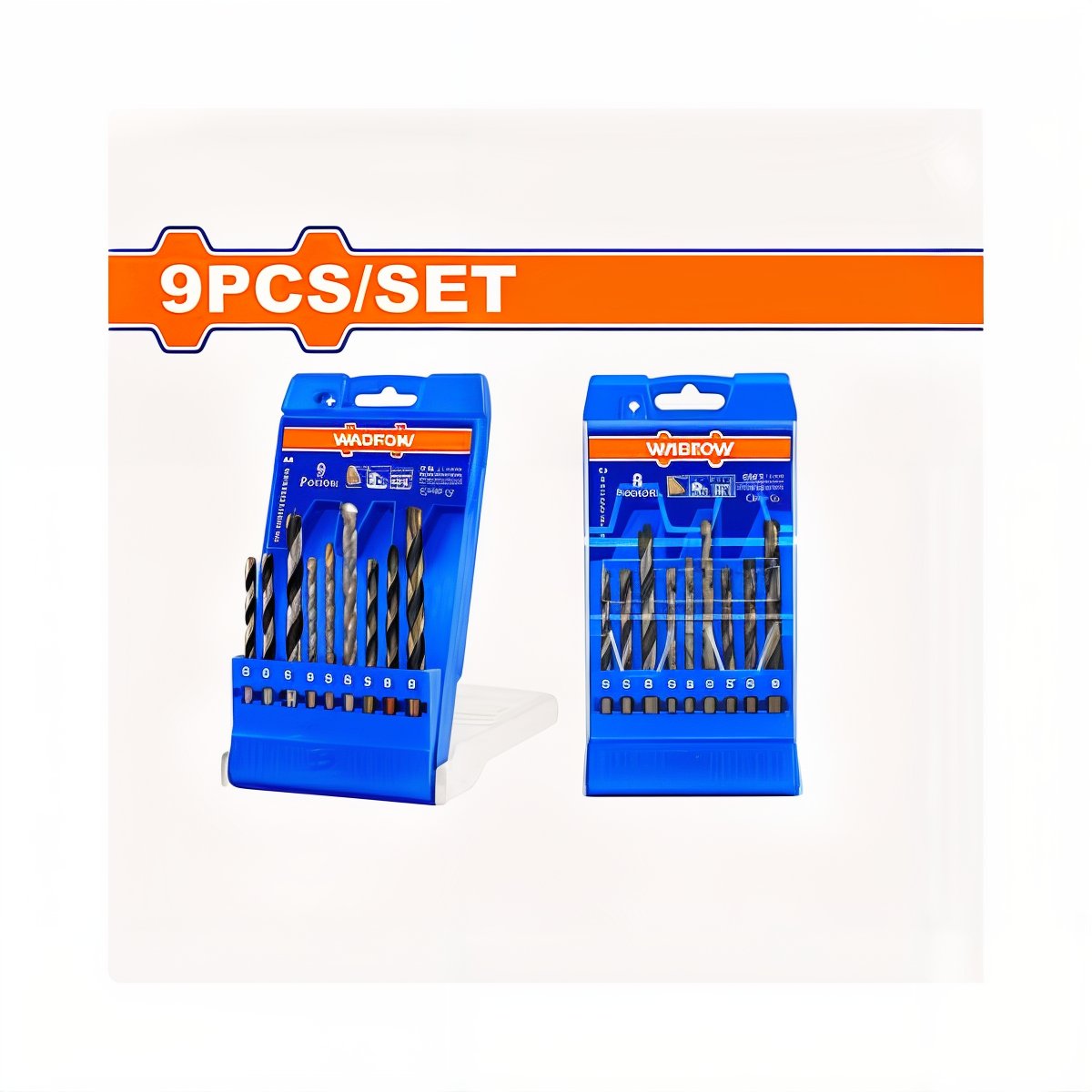 | Assorted Drill Bit Set (concrete, steel, wood) | **₪29** incl. VAT | ✅ In stock | 🛒 Buy |
Products You'll Need ⭐
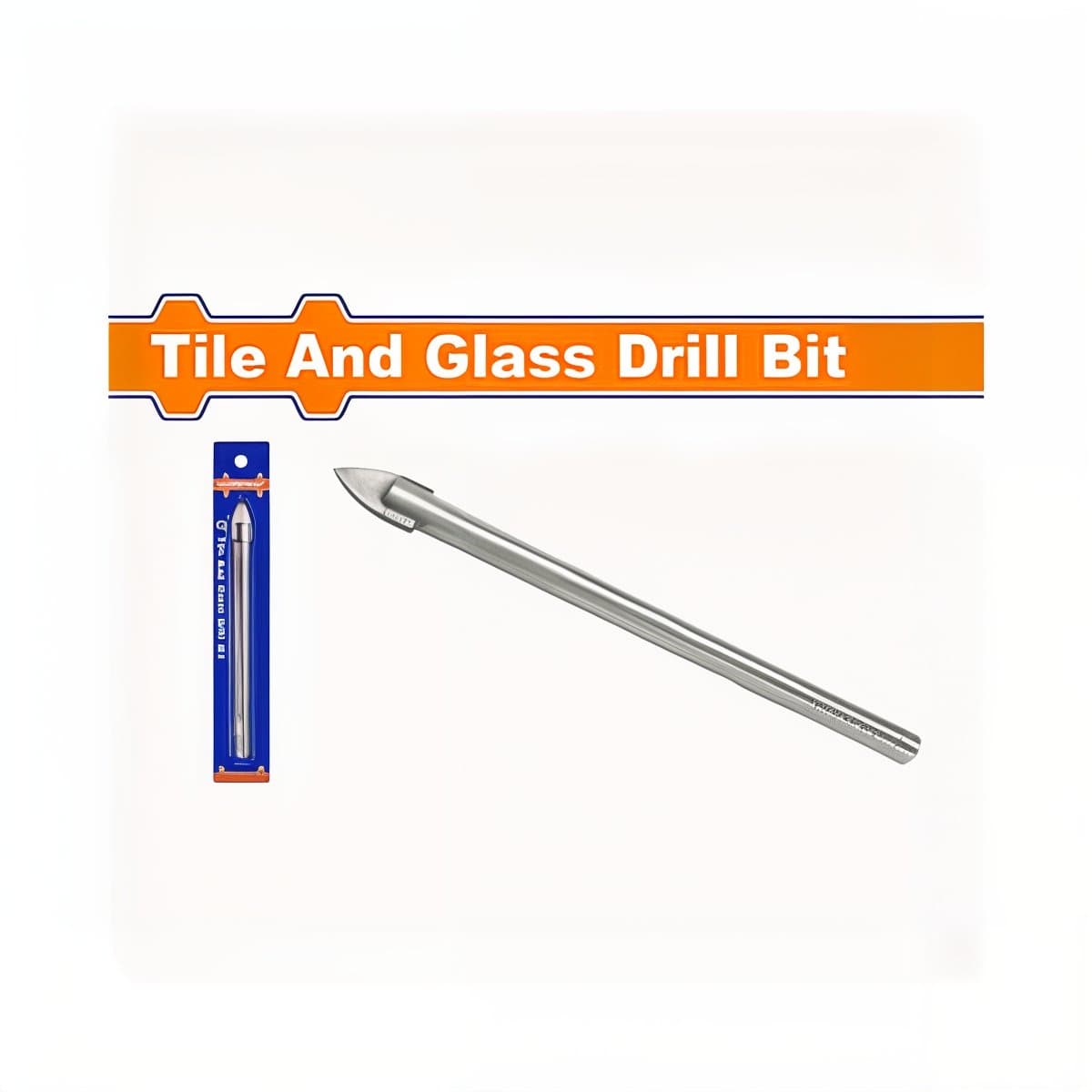
Glass/Ceramic Drill – Precise Drilling with Variable Diameter
₪7
View product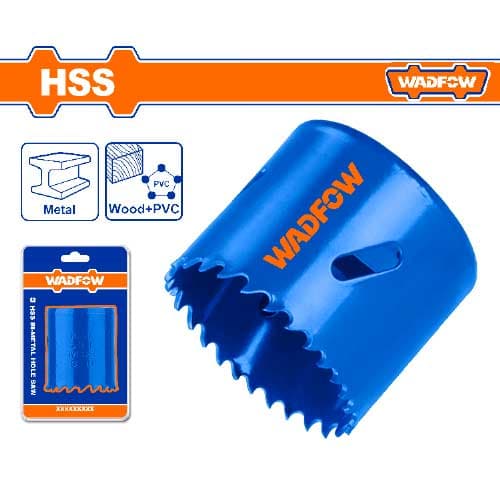
Steel/Wood/PVC Hole Saw – Precision Drilling for All Materials
₪18
View product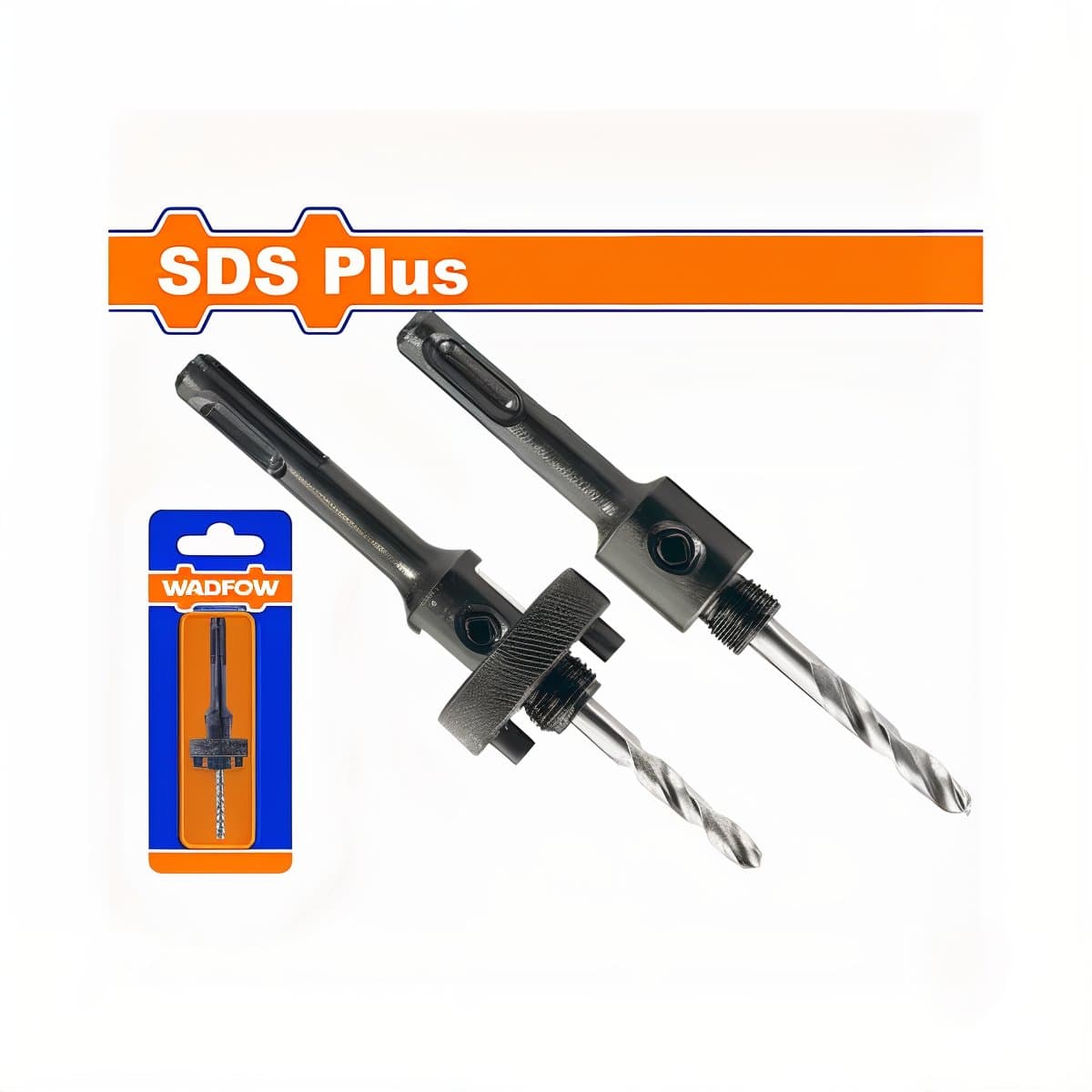
SDS Core Drill Guide – Compatible with 14-210mm Drilling
₪19
View product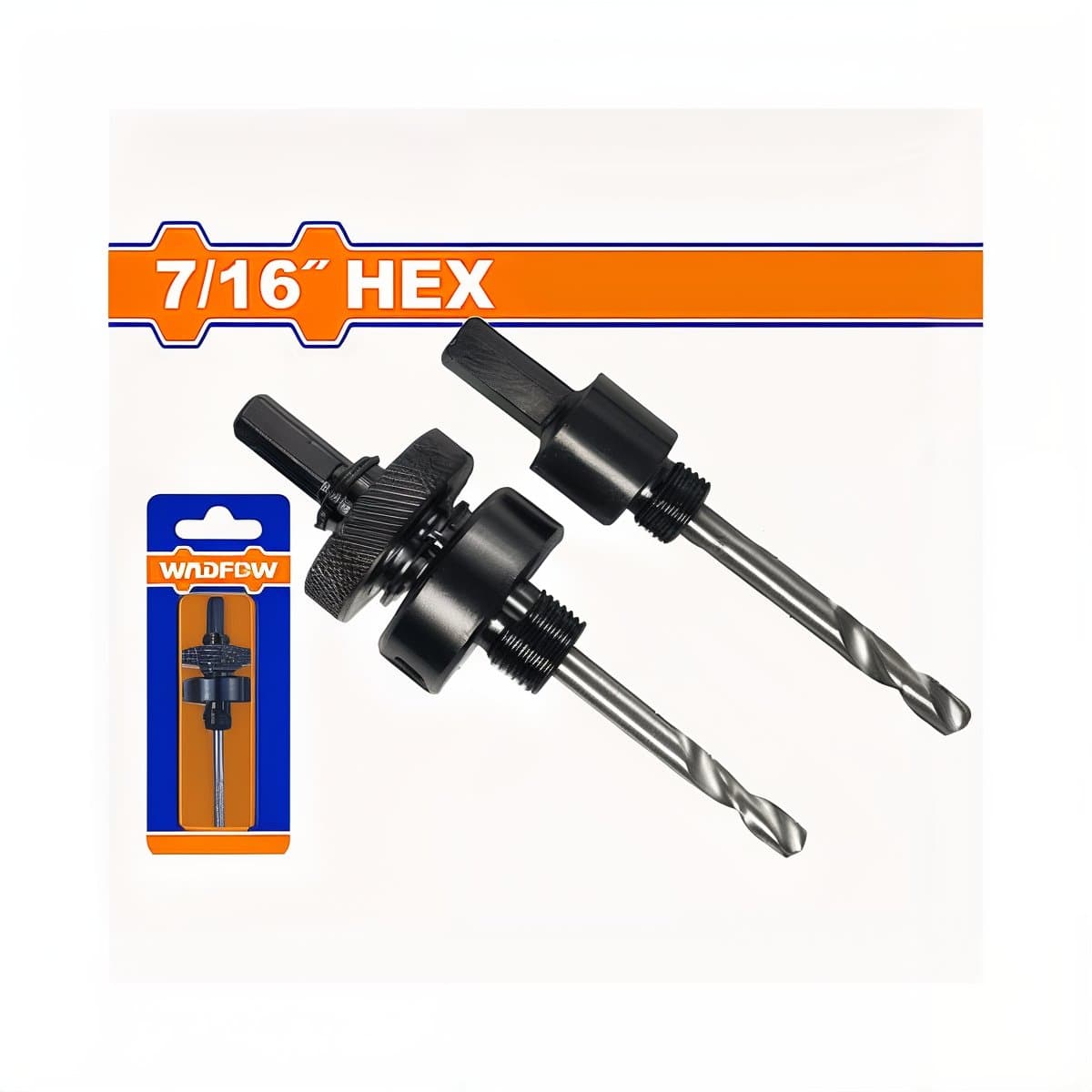
Hexagonal Core Drill Guide – Compatible with 14-210mm Drilling
₪19
View product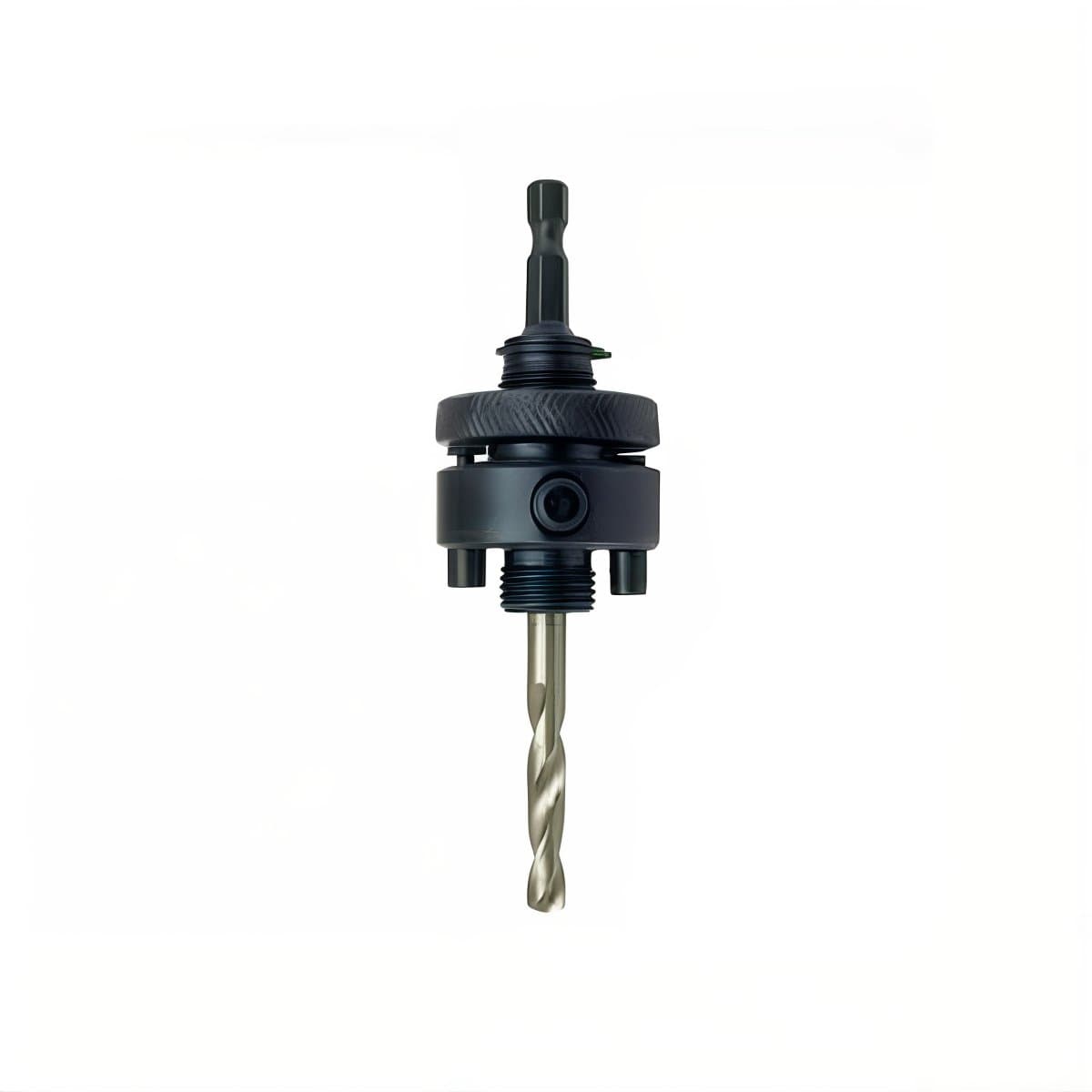
Impact Drill Cup Guide – Suitable for Drilling from 13 to 230mm
₪24
View product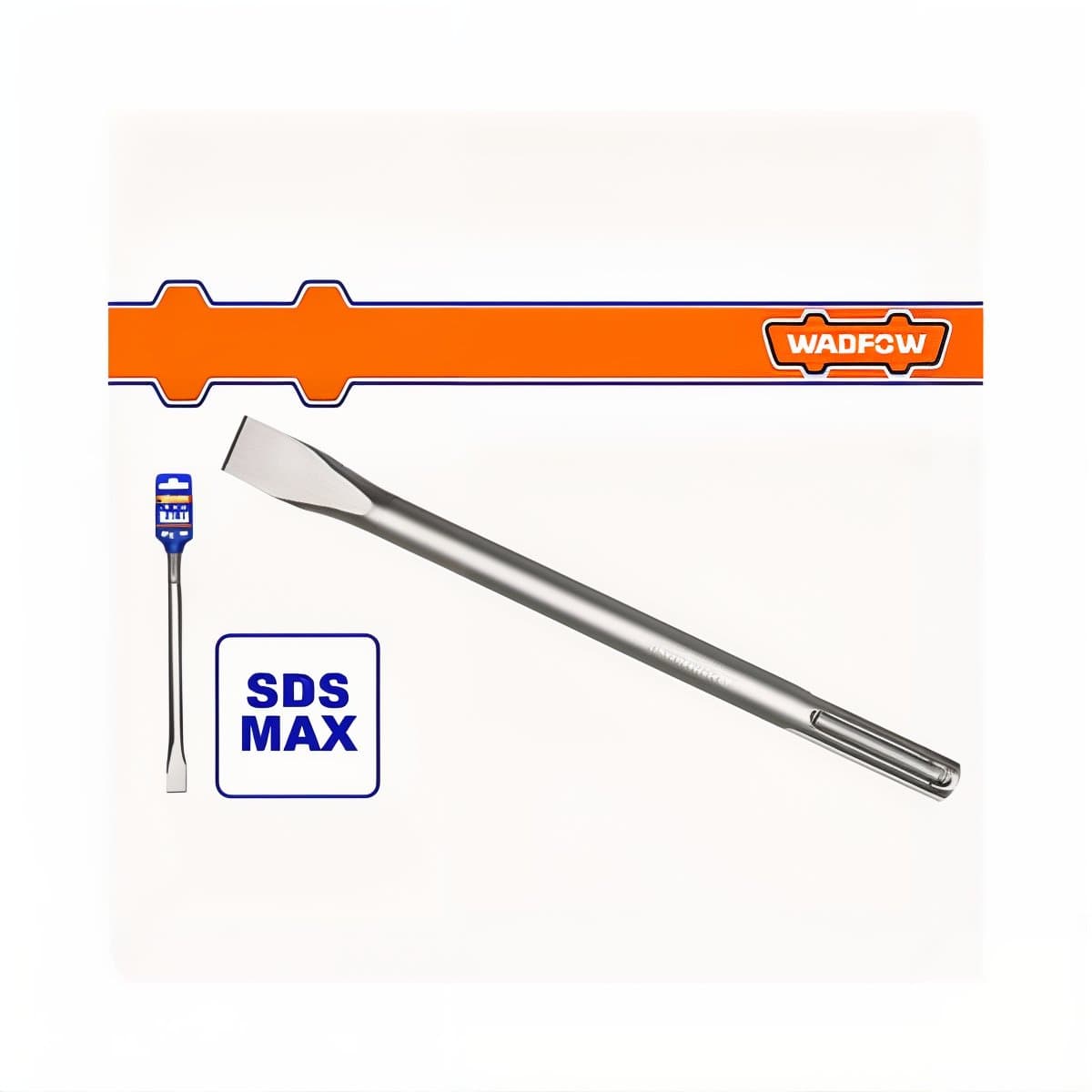
SDS Max Congo Chisel – Flat 2.5cm
₪33
View product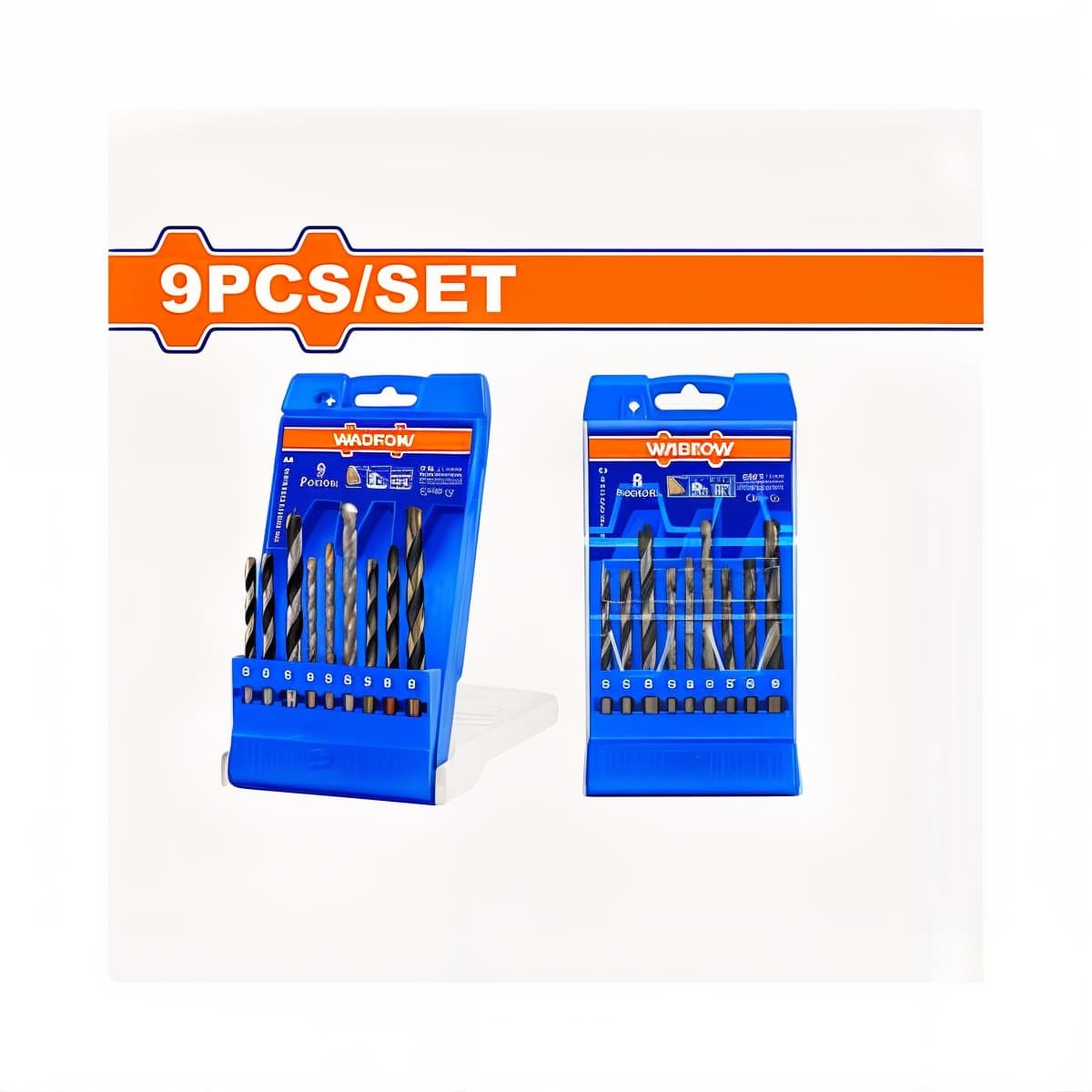
Assorted Drill Bits Set – Drilling in Concrete, Steel, and Wood
₪30
View product
Drill Bit for Screwdriver – Perfect Solution for Precise Drilling
₪33
View productFrequently Asked Questions ❓
What's the difference between SDS and hex cup guides?
An SDS guide fits professional SDS-chuck hammer drills — ideal for large hole saws and hard materials. A hex (1/4") guide fits standard cordless drills — suitable for smaller hole saws in wood, PVC and light metal.
Why does my bit skate on ceramic tiles?
You're using the wrong bit. For ceramic, you need a carbide/diamond-tipped ceramic bit. Apply masking tape over the mark, use rotation-only mode (no hammer) at low speed — this prevents skating and cracking.
When should I replace a hole saw?
A quality bi-metal hole saw handles dozens of cuts in wood/PVC or 5-15 cuts in thick steel. When it burns through slowly or the teeth feel smooth — the saw is dull. You can sometimes resharpen, but replacement is usually more cost-effective.
Conclusion
With the right cup, guide and drill bit, every hole comes out clean, accurate and on the first try. Order your drilling equipment from ramo.co.il with fast nationwide delivery.