
The wrong pliers is the fastest way to hurt your hand, ruin an electrical connection, or snap a blade mid-job. This guide covers how to choose pliers or a wire cutter for the task, how to cut and strip wires correctly and safely, and how to keep the tool sharp over time.
Quick Summary
🔧 Combination pliers suit general gripping; diagonal cutters suit precise cuts on thin wires
⚡ For electrical work, always confirm the circuit is de-energized before cutting any wire
🥽 Safety glasses are mandatory — wire fragments and metal shards fly during cutting
✂️ Never rock the tool side to side while cutting — a single straight squeeze prevents blade damage
🧴 A drop of oil on the pivot once a month keeps the action smooth and prevents rust
What Do You Need Before You Start? 🧰
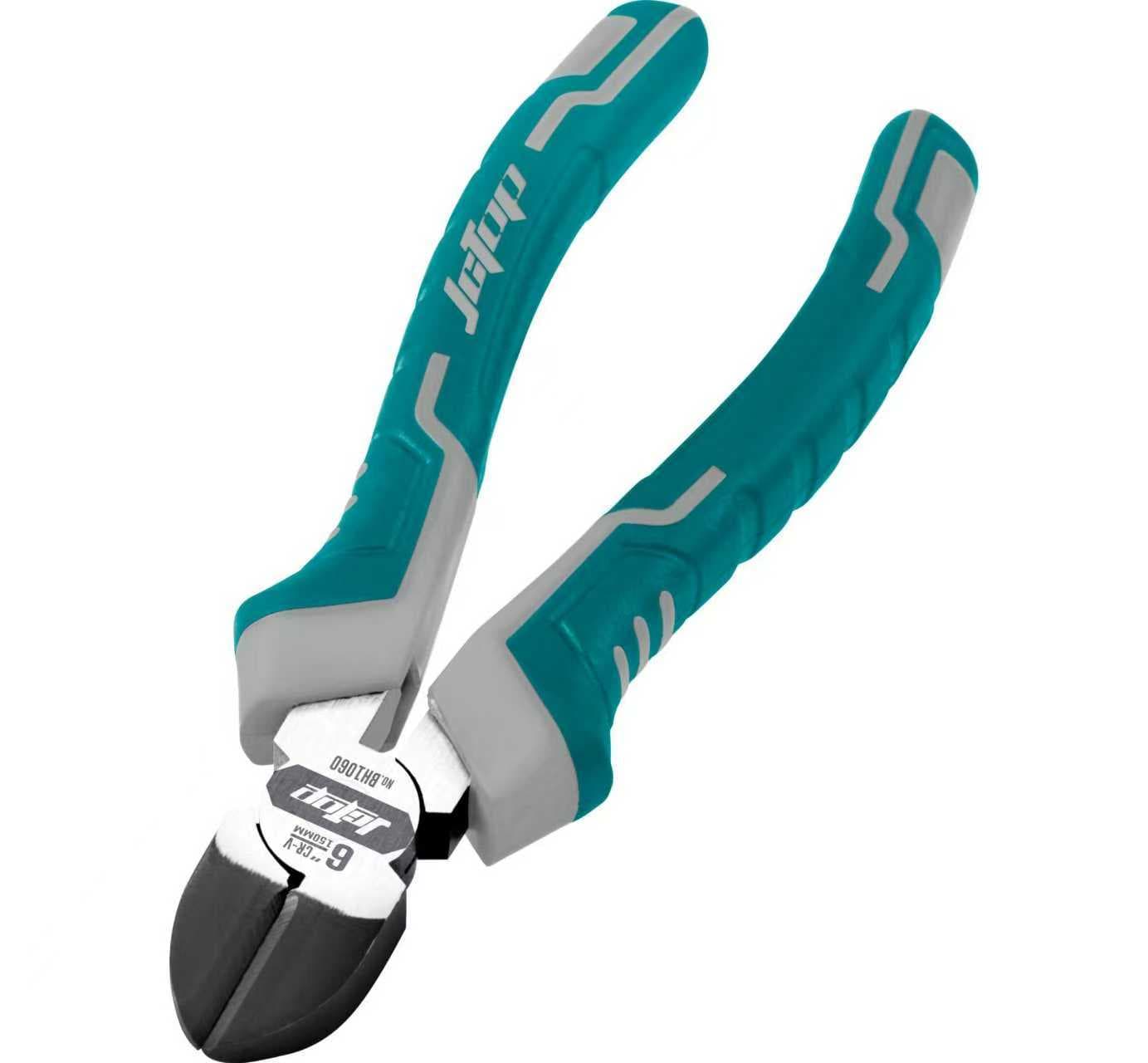
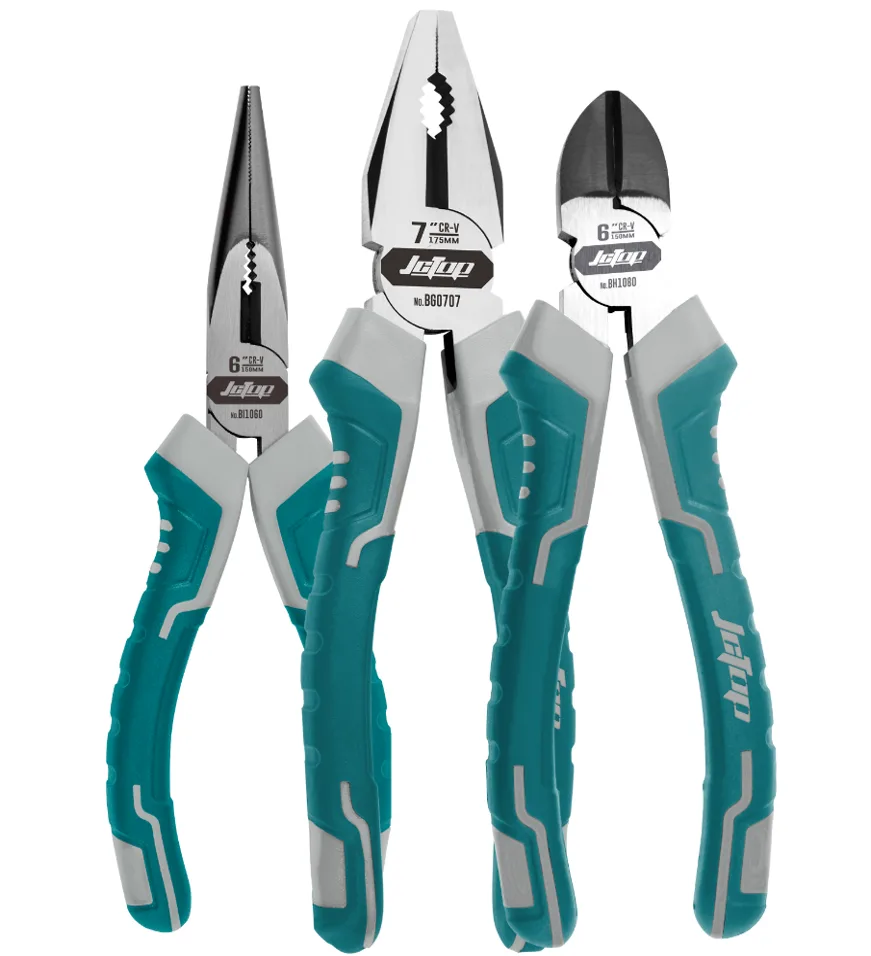
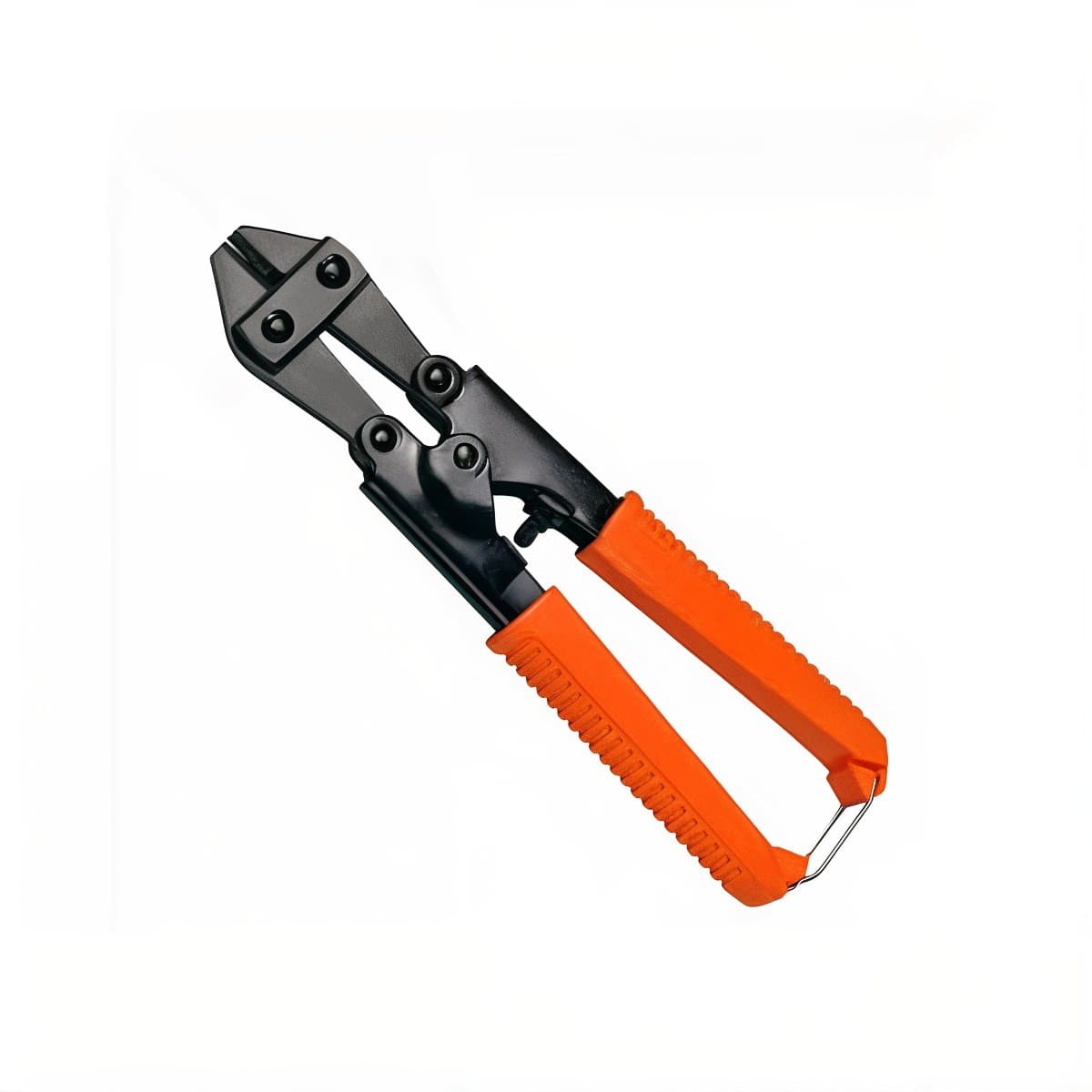
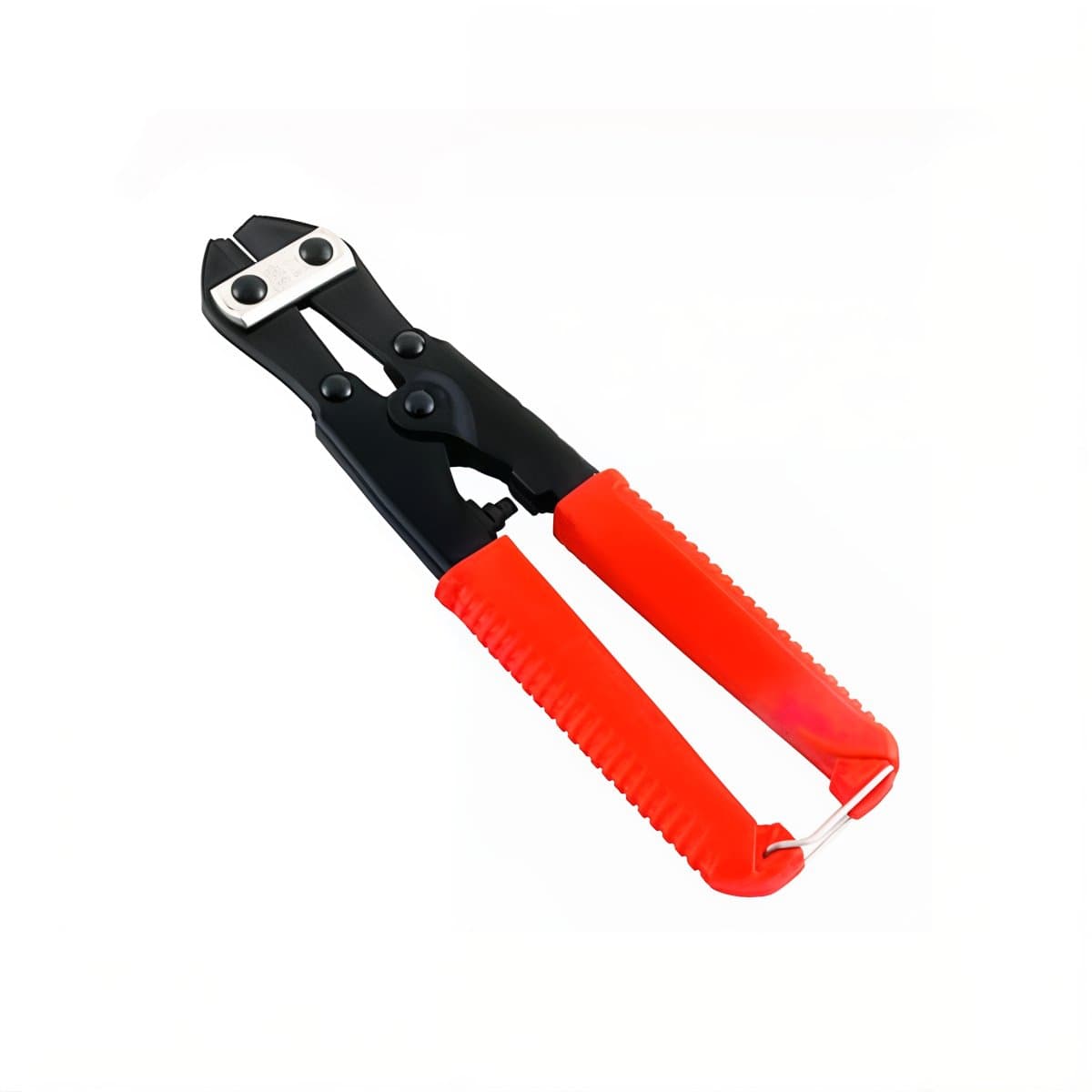
Most home repairs call for both the jctop 200mm Professional Diagonal Cutting Pliers for precise cuts and the jctop 3-Piece Professional Pliers Set covering gripping, bending, and general cutting. For work with cables and stranded electrical wire, add the RAMOX 8-Inch Twisted Wire Cutter or the RAMOX MCC 8-Inch Twisted Wire Cutter. Beyond the tools themselves, prepare: safety glasses, light oil for the pivot mechanism, a small brush or cloth for cleaning metal shavings, and a voltage tester to confirm a wire is de-energized before working on it.
⚠️ Before You Start
Never cut a live wire connected to power with regular pliers or a cutter — always confirm the circuit is de-energized and check with a voltage tester before any work. Using an uninsulated tool on a live wire can cause severe electric shock.
Step by Step — How to Cut and Use Correctly 👷
1. Choose the right tool for the task — combination pliers for general gripping, diagonal cutters for a clean cut on thin wires. 2. De-energize the circuit before any electrical work, and confirm with a voltage tester. 3. Grip the tool correctly — a stable grip with all fingers, without squeezing at an angle. 4. Cut with a single, straight squeeze, without rocking the blades side to side or bending the wire back and forth against the edge. 5. Strip insulation gently — cut only through the insulation without nicking the metal conductor underneath. 6. Keep the cutting angle perpendicular to the wire for a clean edge and a longer blade life. 7. When finished, clean metal shavings off the blade and add a drop of oil to the pivot for smooth action.
💡 Pro Tip
Professionals keep two separate pliers in their toolbox — combination pliers for rough work and a dedicated diagonal cutter for clean cuts, so frequent cutting doesn't dull the combination pliers' blade.
Pliers & Cutters to Buy at ramo.co.il 🛒
| Image | Product | Price (incl. VAT) | Stock | Buy |
|---|---|---|---|---|
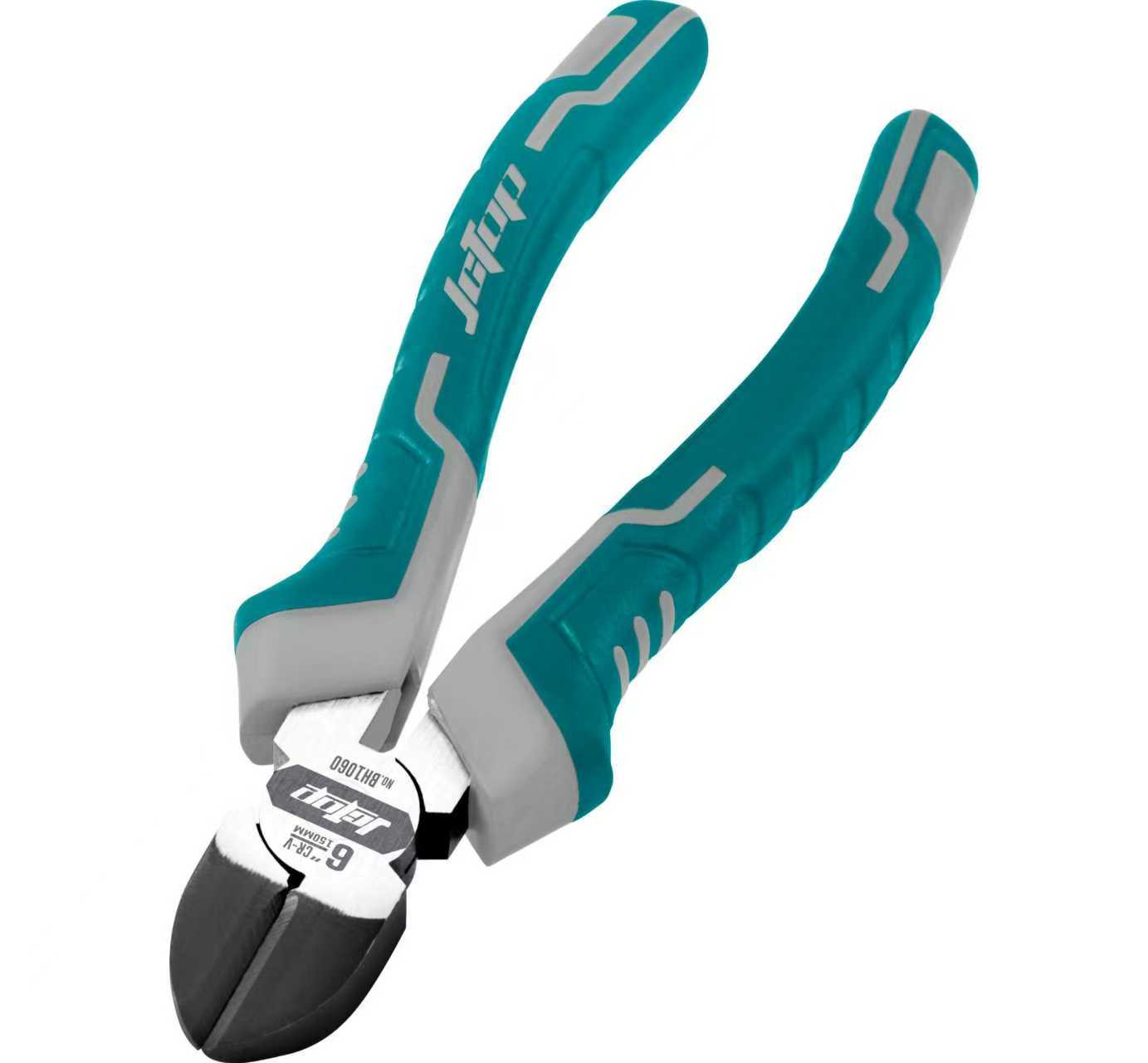 | 200mm Professional Diagonal Cutting Pliers - Model BH1080 - jctop | **₪24** incl. VAT | ✅ In Stock | 🛒 Buy |
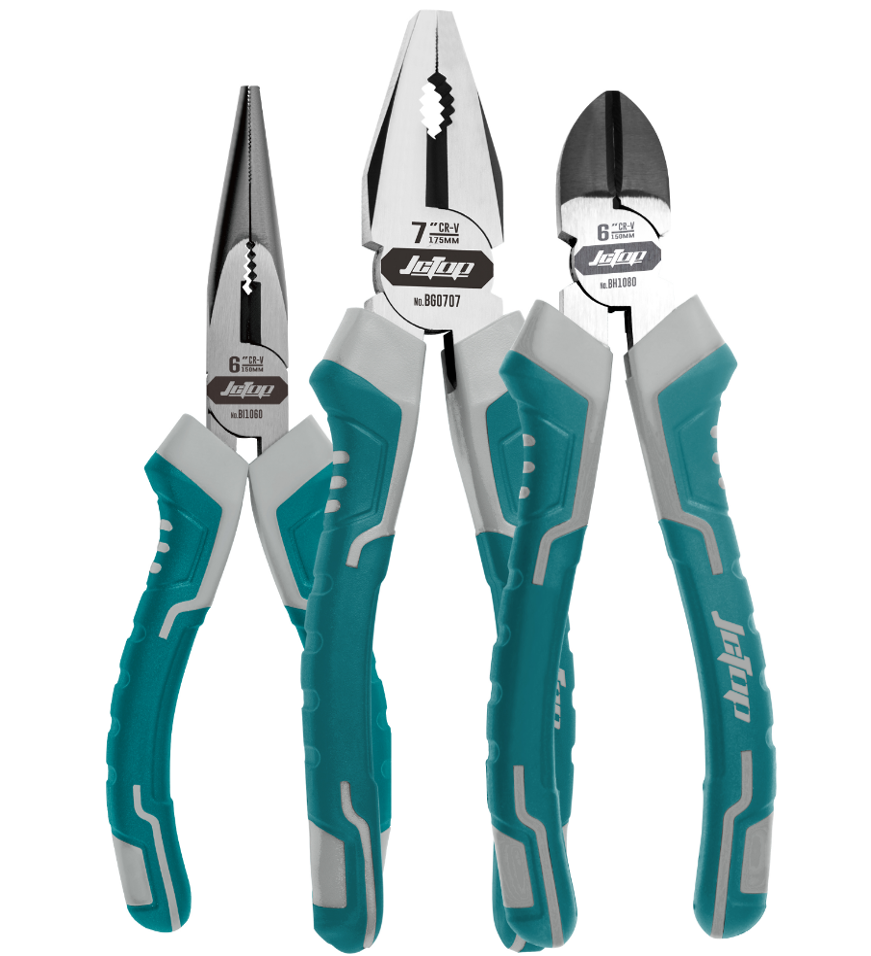 | 3-Piece Professional Pliers Set - Model BO7003 - jctop | **₪79** incl. VAT | ✅ In Stock | 🛒 Buy |
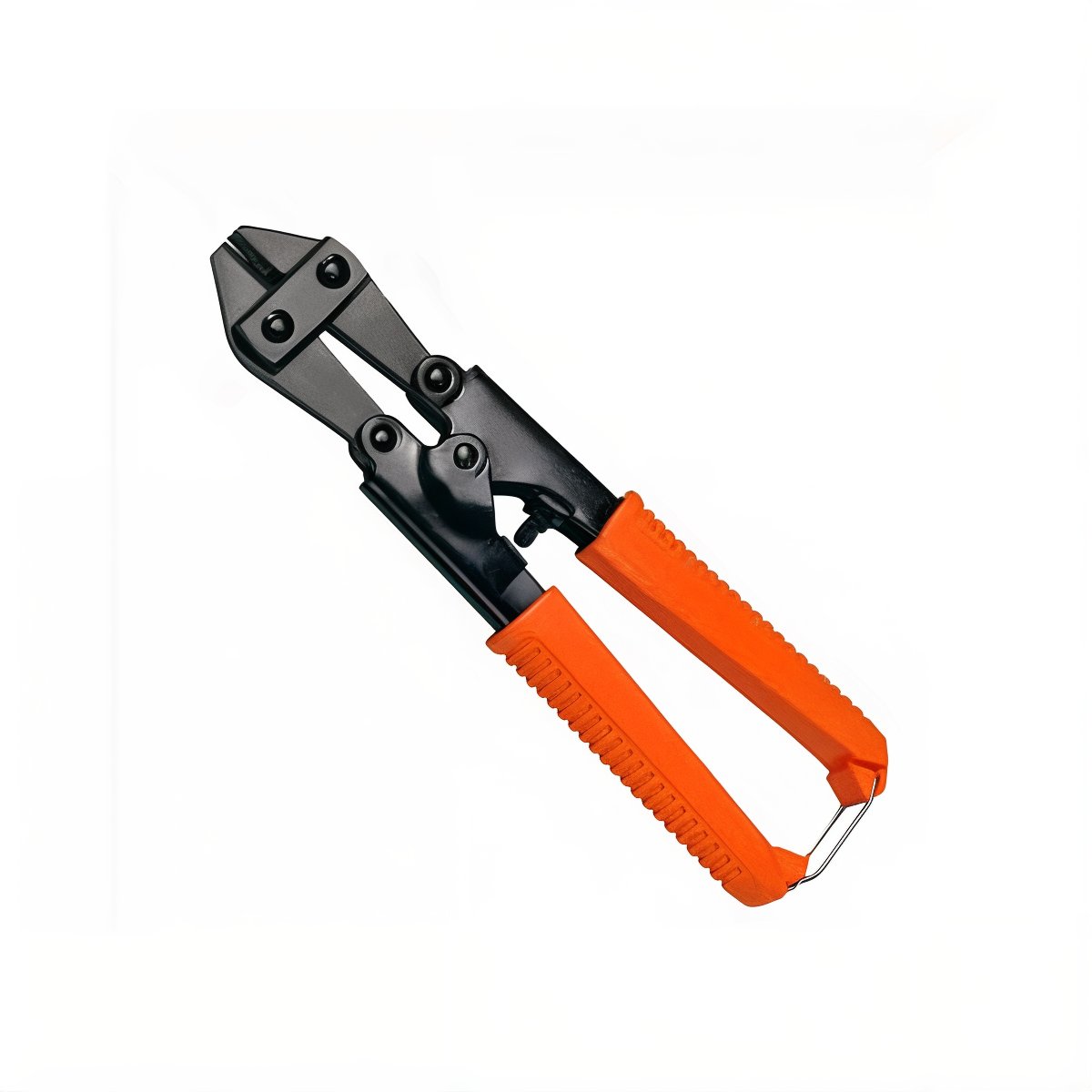 | 8-Inch Twisted Wire Cutter - Essential Tool for Every Job | **₪22** incl. VAT | ✅ In Stock | 🛒 Buy |
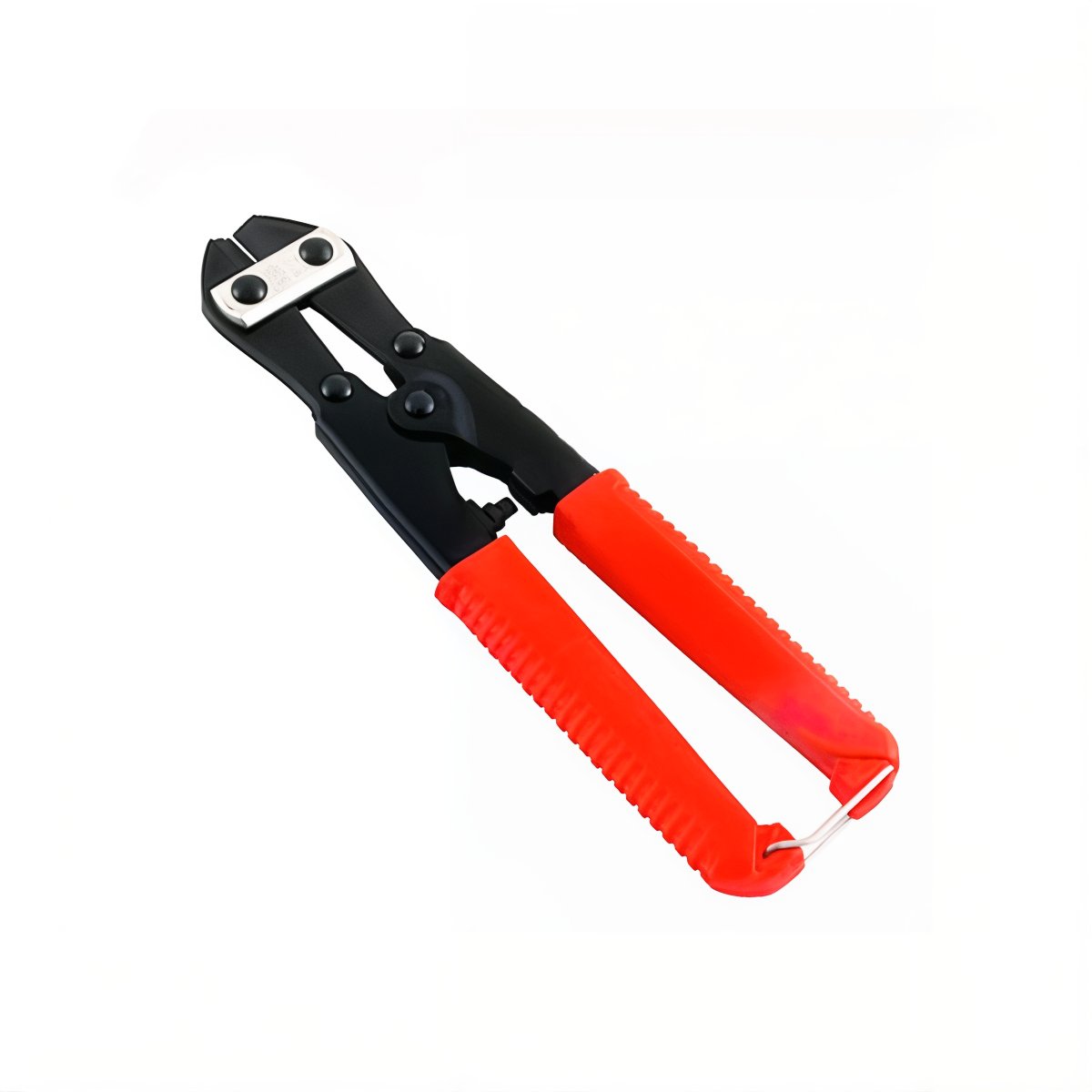 | MCC 8-Inch Twisted Wire Cutter - Quality Build | **₪58** incl. VAT | ✅ In Stock | 🛒 Buy |
The Tools You'll Need ⭐
Frequently Asked Questions ❓
What's the difference between combination pliers and diagonal cutters?
Combination pliers suit gripping, bending, and general cutting thanks to their combined jaws, while diagonal cutters are built for precise, clean cuts on thin wires and cables.
Which pliers suit electrical work?
For electrical work, diagonal cutters with an insulated handle are recommended, and you should always confirm with a voltage tester that a wire is de-energized before cutting it.
How do I keep the blades sharp?
Avoid cutting thick steel wire or iron with pliers meant for soft copper wire, and oil the pivot occasionally to prevent rust that dulls the blade.
Can I cut a thick electrical cable with regular pliers?
For thick or armored cables, use a dedicated cable cutter instead of regular pliers, to avoid breaking the blade and to get a clean cut.
What should a basic home toolbox include?
A basic home toolbox should include combination pliers, a small diagonal cutter, and one twisted wire cutter — together they cover most home repairs and small electrical jobs.
Conclusion
With the right pliers or cutter, correct cutting technique, and basic safety rules, any electrical job or small repair becomes faster, cleaner, and safer. Gear up now for your next repair.