
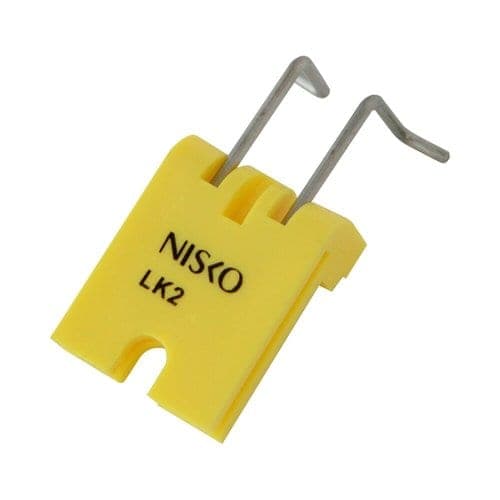
A burnt-out contactor or an MCB without a lock can cause repeated faults and even electrocution risk in your home or business panel. This guide explains how to correctly install a mini or modular contactor, and when to add an NS/NO MCB lock to prevent accidental activation.
Quick Summary
🔧 Only install a contactor when the panel power is fully disconnected
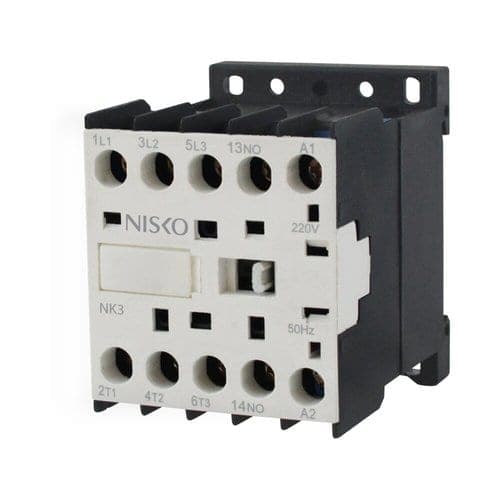
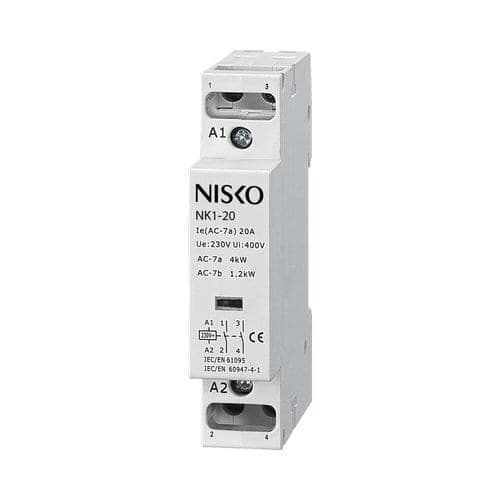
⚡ Mini contactor NK3 suits loads up to 20A, modular contactor NK suits higher loads
🔒 NS/NO MCB lock prevents accidental activation and is required for three-phase systems
📏 Wire according to the manufacturer diagram and test continuity before restoring power
✅ Panel work in Israel legally requires a licensed electrician
What to prepare before you start? 🧰
Before working on the panel, prepare: insulated Phillips and flathead screwdrivers, a voltage tester, insulated gloves, and as needed a Mini Contactor NK3 230VAC for small loads, a Modular Contactor NK 230VAC for higher loads, and an NS/NO MCB Lock to prevent accidental activation. It's also recommended to photograph the existing panel wiring before disassembly.
⚠️ Before you start
Under Israeli electrical regulations (Panel Installation up to 1000V, 1991), panel work is permitted only for licensed electricians. Always switch off the main breaker and verify with a voltage tester that there is no live current — electrocution can be fatal.
Step by step — how to do it right 👷
- Disconnect power: switch off the main breaker and verify with a voltage tester that the work area is dead.
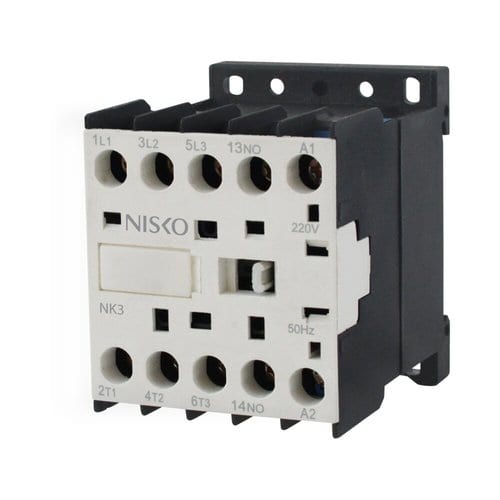
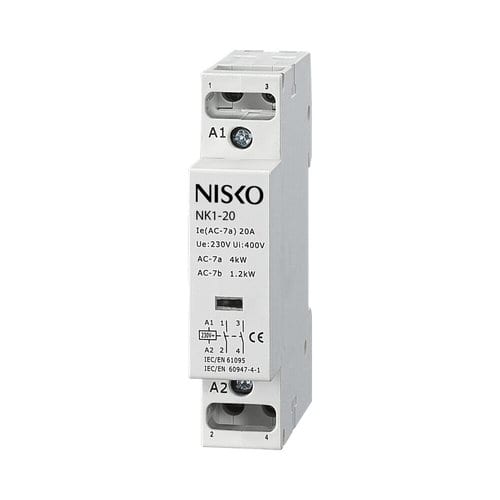
- Choose the right contactor: for loads up to 20A use the Mini Contactor NK3 230VAC; for higher loads use the Modular Contactor NK 230VAC on a standard 35mm DIN rail.
- Mount on the DIN rail: snap the contactor firmly onto the rail and confirm it doesn't move.
- Wire per the diagram: connect input/output cables per the contactor markings (A1/A2 coil, 1/2/3 contacts), tightening each terminal to spec.
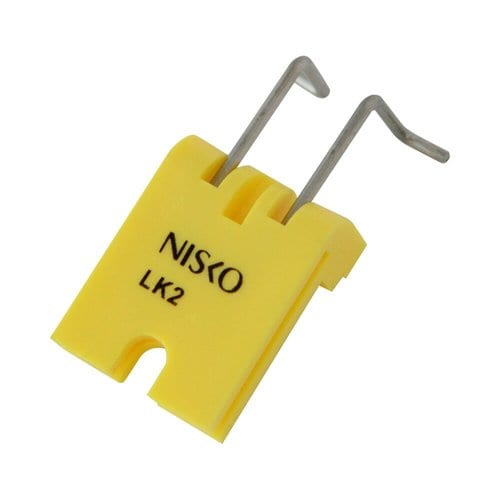
- Install the MCB lock: if required, fit the NS/NO MCB Lock over the relevant breaker to prevent accidental switching.
- Test continuity: before restoring power, check for continuity and shorts with a multimeter.
- Restore power and test: switch the main breaker back on and confirm the contactor operates correctly with no abnormal heating after a few minutes.
💡 Pro tip
Experienced electricians always label cables with tape before disconnecting — this prevents reconnection mistakes, especially in panels with several similar contactors.
Products to buy at ramo.co.il 🛒
Products you'll need ⭐
Frequently Asked Questions ❓
What's the difference between a mini and a modular contactor?
The Mini Contactor NK3 suits relatively small loads (up to about 20A) and takes up little panel space, while the Modular Contactor NK suits higher loads and three-phase systems.
Can I install a contactor myself?
Not recommended. Under Israeli electrical regulations, panel work is reserved for licensed electricians — a wiring mistake can cause fire or electrocution.
Why do I need an MCB lock?
The NS/NO MCB Lock prevents accidental activation of the breaker, and is especially required for three-phase systems and panels with uncontrolled access.
How long does installing a contactor in an existing panel take?
For an experienced electrician, replacing a single contactor typically takes 20-40 minutes, including power disconnection, testing and restoring power.
Conclusion
A well-maintained panel and quality contactors are the foundation of safety for your home or business. Don't compromise on component quality — a contactor saved on can cost far more in the long run.