
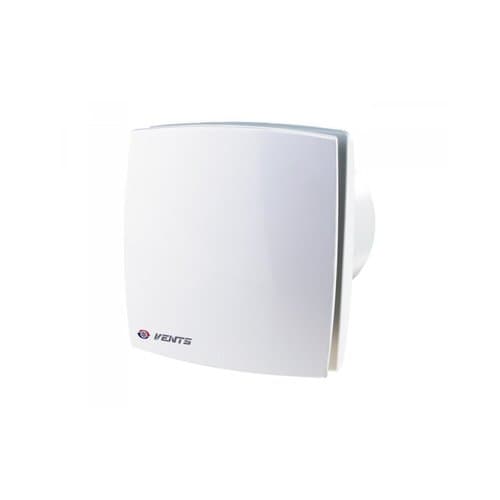
Damp, mold and odors in a bathroom or toilet almost always come down to poor ventilation. This guide explains how to calculate the airflow you need from an exhaust fan, where to place it, and how the installation itself is done safely.
Quick Summary
💨 For a bathroom, multiply room volume by 18 air changes; for a toilet, by 15.
🚪 The ideal placement is opposite the door, to create full airflow across the room.
🔌 An exhaust fan connects to electricity, in a wet room a licensed electrician is mandatory.
⏱️ A timer model keeps running a few minutes after you leave the room.
🪟 It can be mounted on an existing window or an exterior wall, depending on room layout.
What to prepare before you start 🧰
An exhaust fan sized for the room (panel type, with or without a timer), an external vent louver to keep out insects and wind, a drill, a level, and silicone sealant to finish the edge around the opening. If there's no existing opening, you'll need a core drill to cut through the wall or window, and always a licensed electrician for the wiring.
⚠️ Before you start
An exhaust fan is an electrical appliance installed in a wet space, per Israeli standards, the electrical connection must be done only by a licensed electrician, especially given the proximity to water. Do not skip this step for safety reasons.
Step by step — doing it right 👷
- Calculate the required airflow: room volume (m³) times 18 for a bathroom, or times 15 for a toilet.
- Choose an installation spot opposite the room's door, this creates good airflow from the entrance to the fan.
- Cut power at the main panel before any work on the opening or wiring.
- If there's no existing opening, drill an opening of the correct diameter in the exterior wall or window, per manufacturer instructions.
- Mount the fan body in the opening, confirm alignment with a level, and attach the external louver to keep out insects and wind.
- Connect the electrical wiring, only by a licensed electrician, and install a dedicated switch for the wet room per code.
- Turn on the fan and confirm it runs quietly at a steady airflow; if it has a timer, set it to run a few minutes after you leave the room.
💡 Pro tip
A timer-equipped fan is worth the small extra cost: it keeps running for a few minutes after you leave the room, clearing the moisture left behind from a shower and preventing mold over the long run.
Products to buy at ramo.co.il 🛒
| Image | Product | Price (incl. VAT) | Stock | Buy |
|---|---|---|---|---|
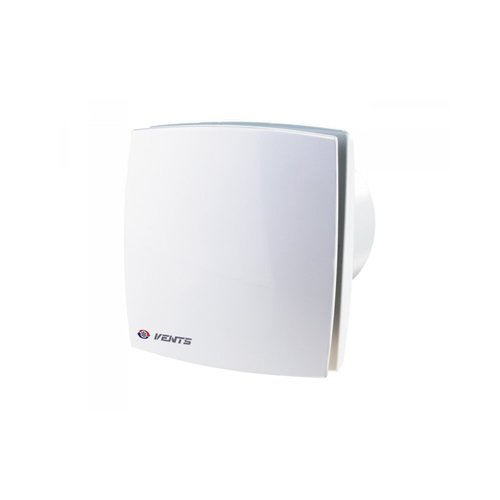 | White Panel Exhaust Fan 4", Nisko | **₪99** incl. VAT | ✅ In stock | 🛒 Buy |
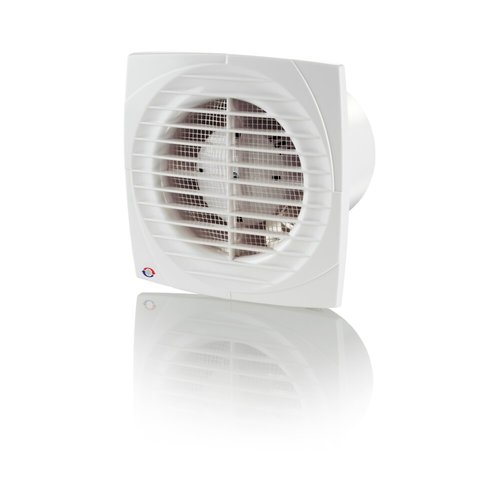 | Exhaust Fan with Timer 4", Nisko | **₪94** incl. VAT | ✅ In stock | 🛒 Buy |
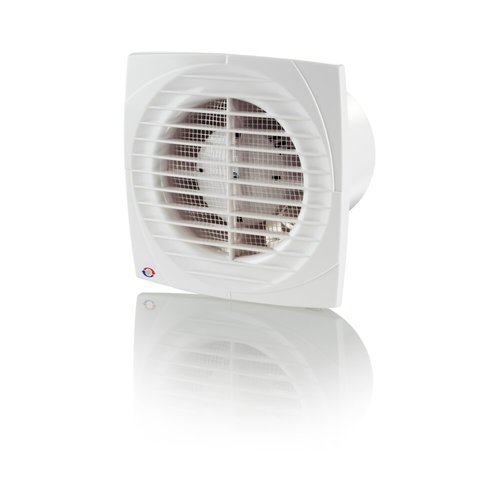 | Exhaust Fan with Timer 6", Nisko | **₪146** incl. VAT | ✅ In stock | 🛒 Buy |
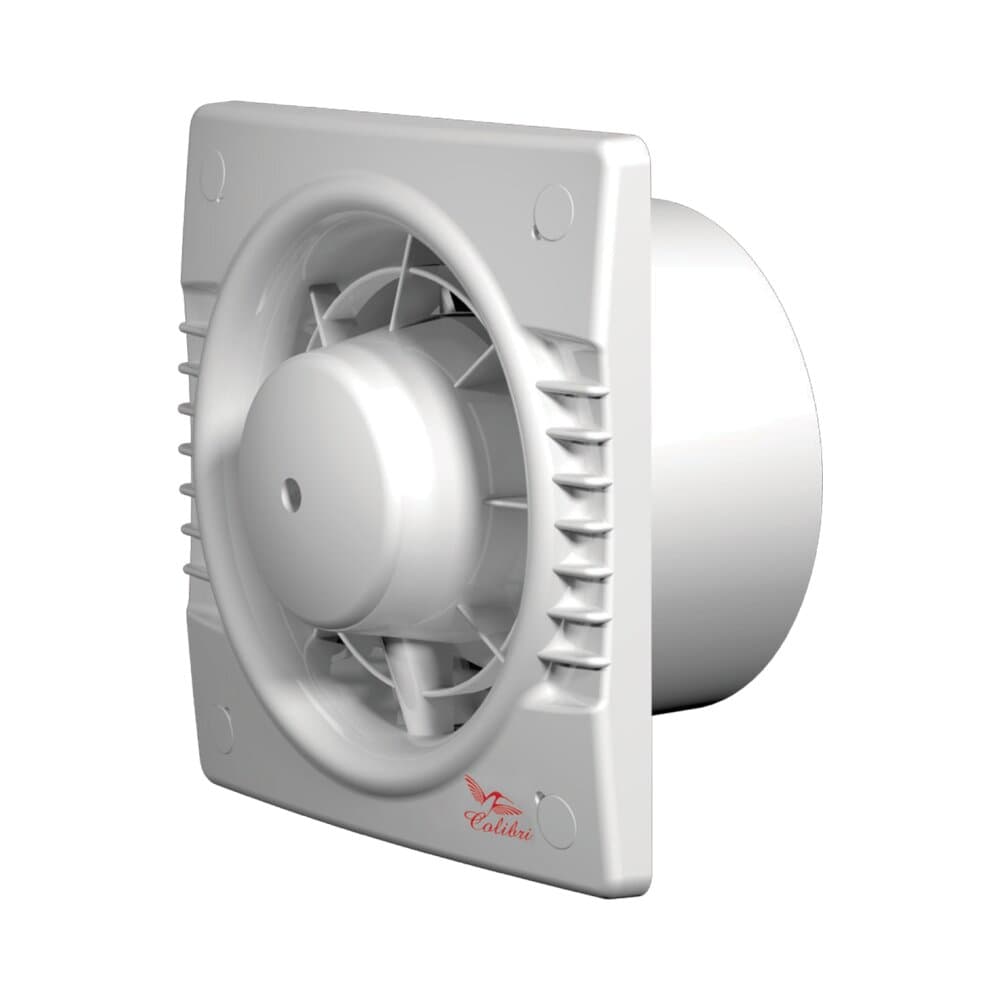
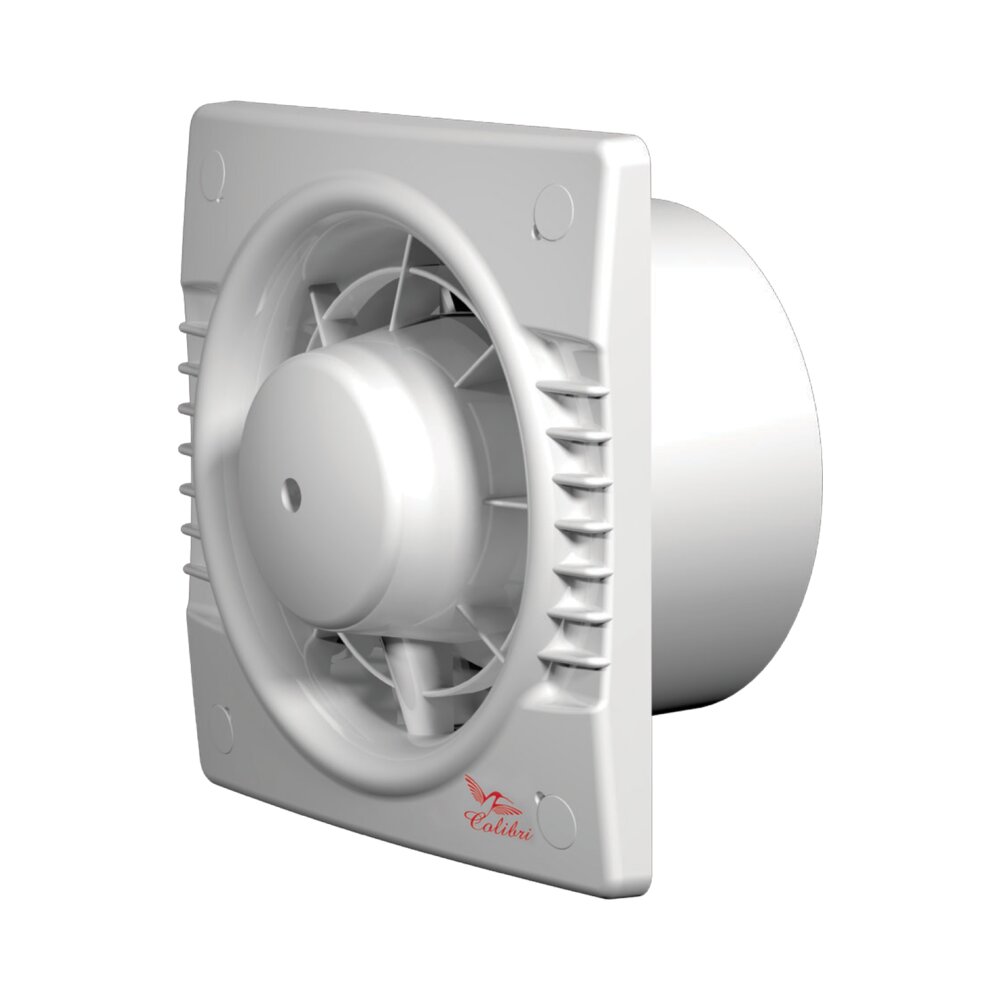 | Colibri100 Exhaust Fan 4", Nisko | **₪44** incl. VAT | ✅ In stock | 🛒 Buy |
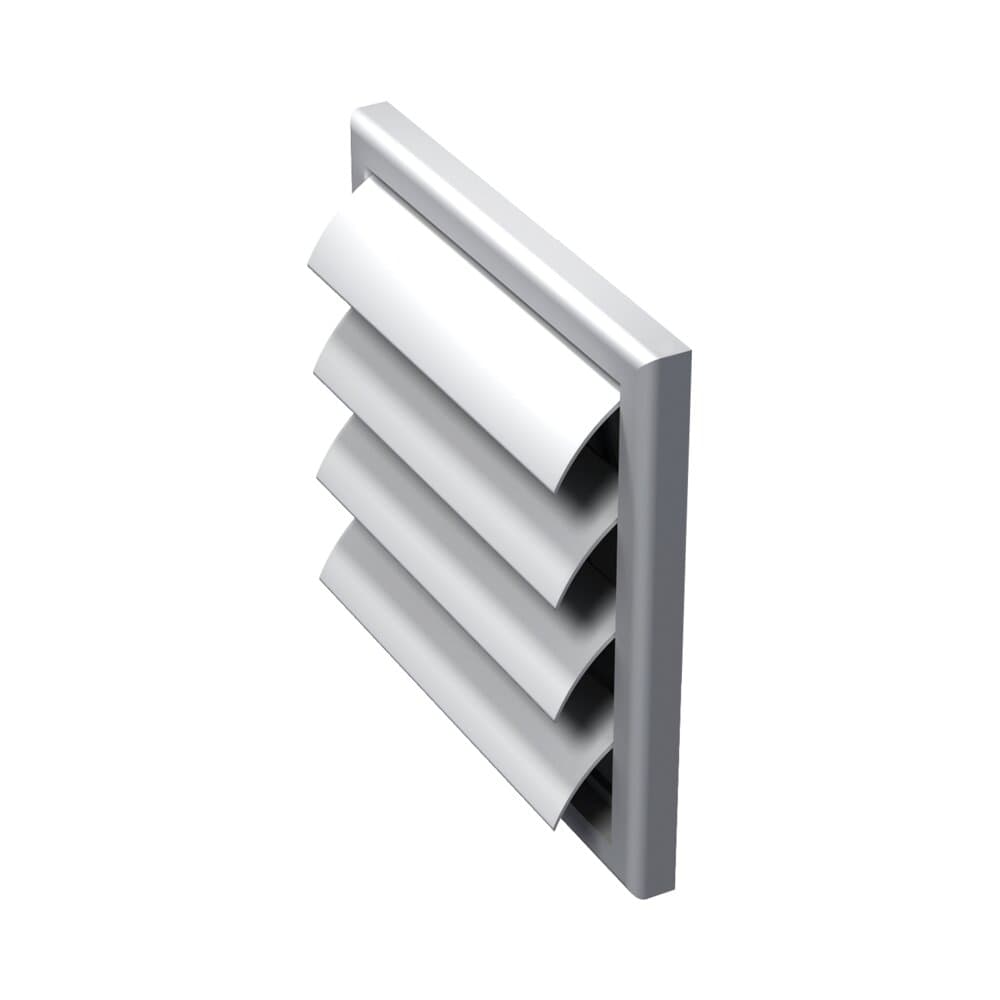
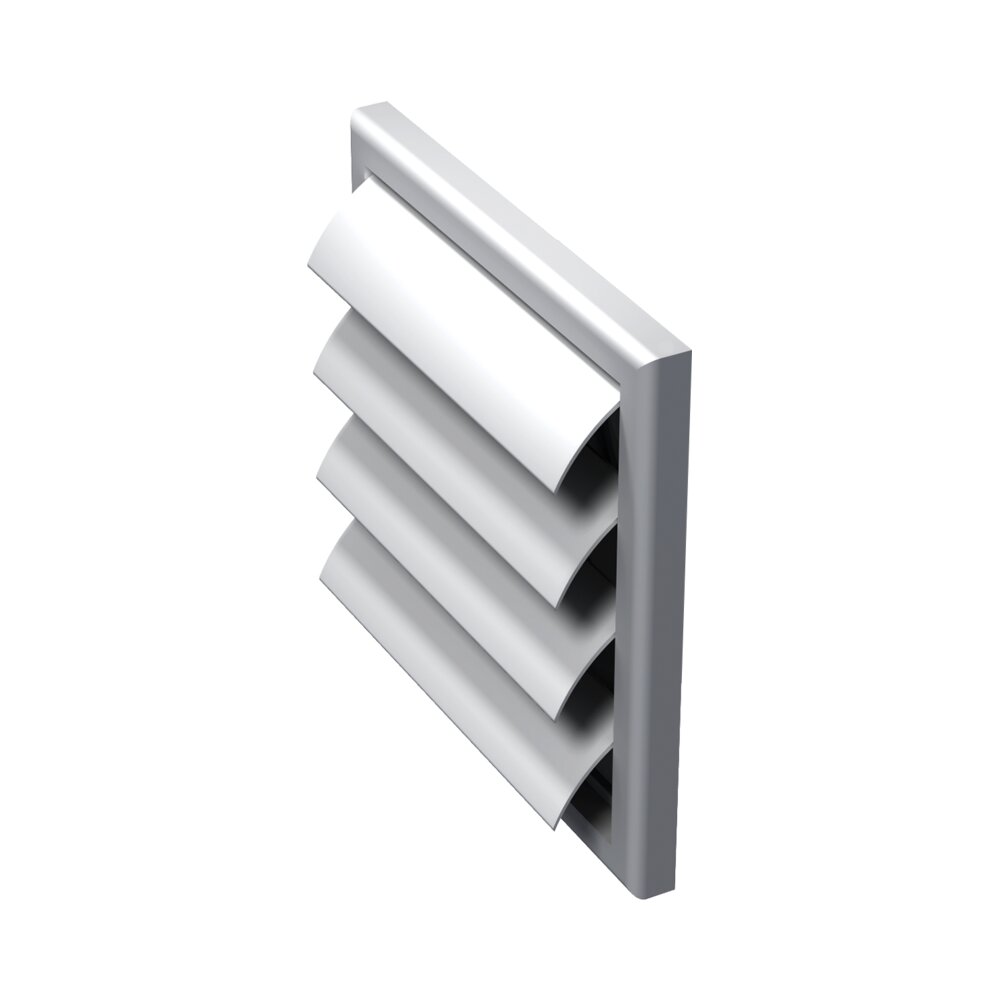 | Vent Louver MV100VJ 4", Nisko | **₪21** incl. VAT | ✅ In stock | 🛒 Buy |
Products you'll need ⭐
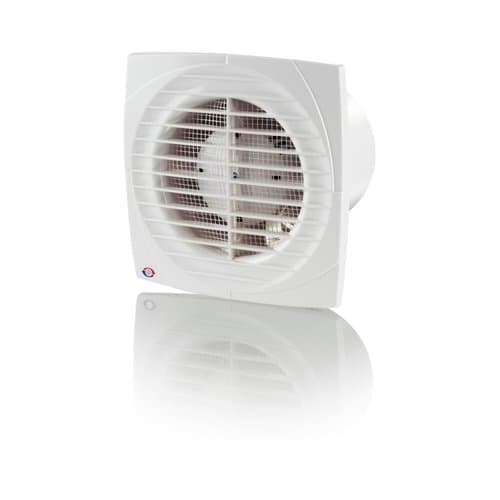
Frequently Asked Questions ❓
How many air changes does a bathroom need?
It's standard to multiply the room volume (m³) by 18 to get the required airflow in m³/hour, versus a multiplier of 15 for a toilet-only room.
Can I install an exhaust fan myself without an electrician?
You can do the mechanical mounting of the unit yourself, but the electrical connection in a wet room must only be done by a licensed electrician, as required by Israeli standards.
Window mount or exterior wall, which is better?
If a suitable window opening exists, that's the simplest option. When there's no window in the room, it's mounted on an exterior wall with a custom-drilled opening.
What's the advantage of a timer fan?
A timer fan keeps running for a few minutes after you leave the room, so shower moisture fully clears instead of lingering and causing mold.
Conclusion
A correctly installed exhaust fan prevents mold, odors and damp for years to come. Calculate the right airflow, choose the right model, and bring in a licensed electrician for a safe connection.