
A fire breaking out at night or an intruder entering your yard — both can be prevented with correctly installed smoke and motion detectors. This guide explains where to place each detector according to Israeli Standard 1220, and how to safely install them yourself.
Quick Summary
🔥 Smoke detectors are mandatory in every bedroom and living room under Standard 1220 Part 5
📍 A ceiling detector should sit near the room's center, at least 4cm from the wall
🚿 Keep smoke detectors at least one meter from bathrooms and AC vents
🔋 Test battery detectors monthly and replace the battery once a year
✅ IP65 outdoor motion detectors suit yards, entrances and driveways
What to prepare before you start? 🧰
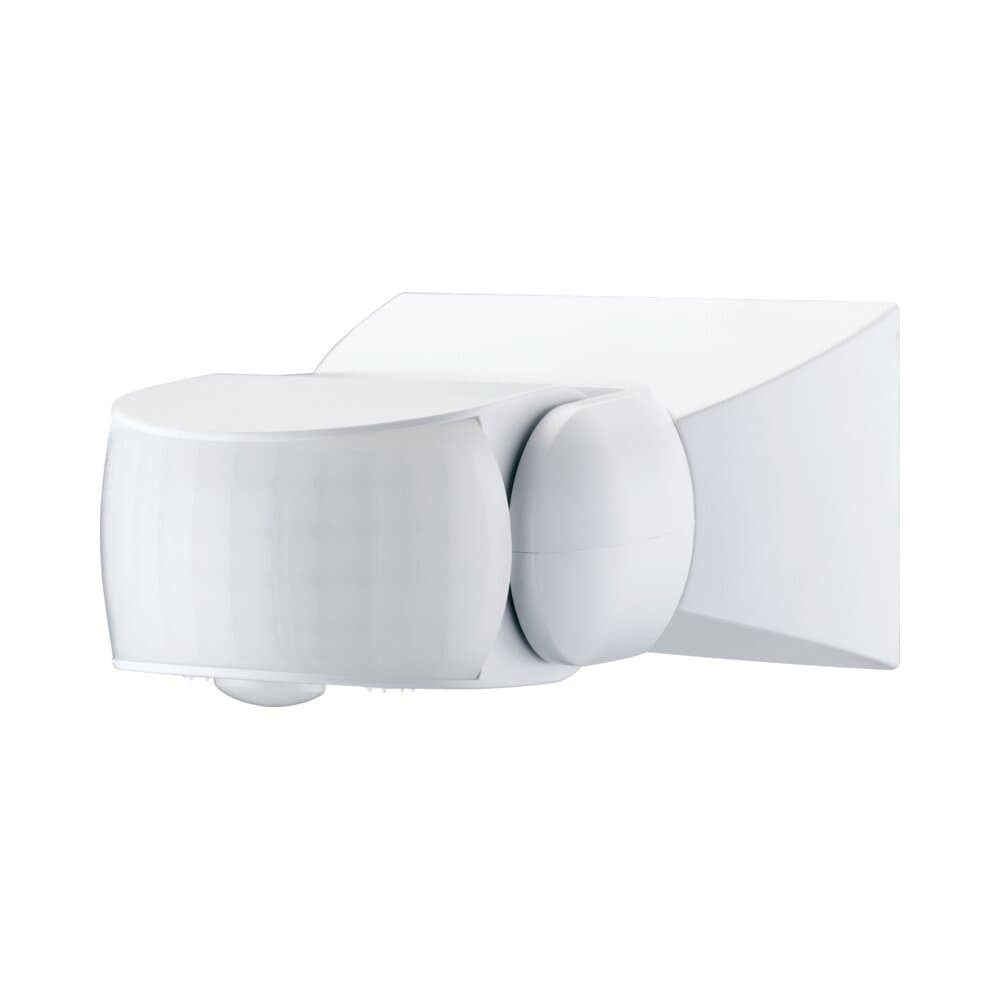
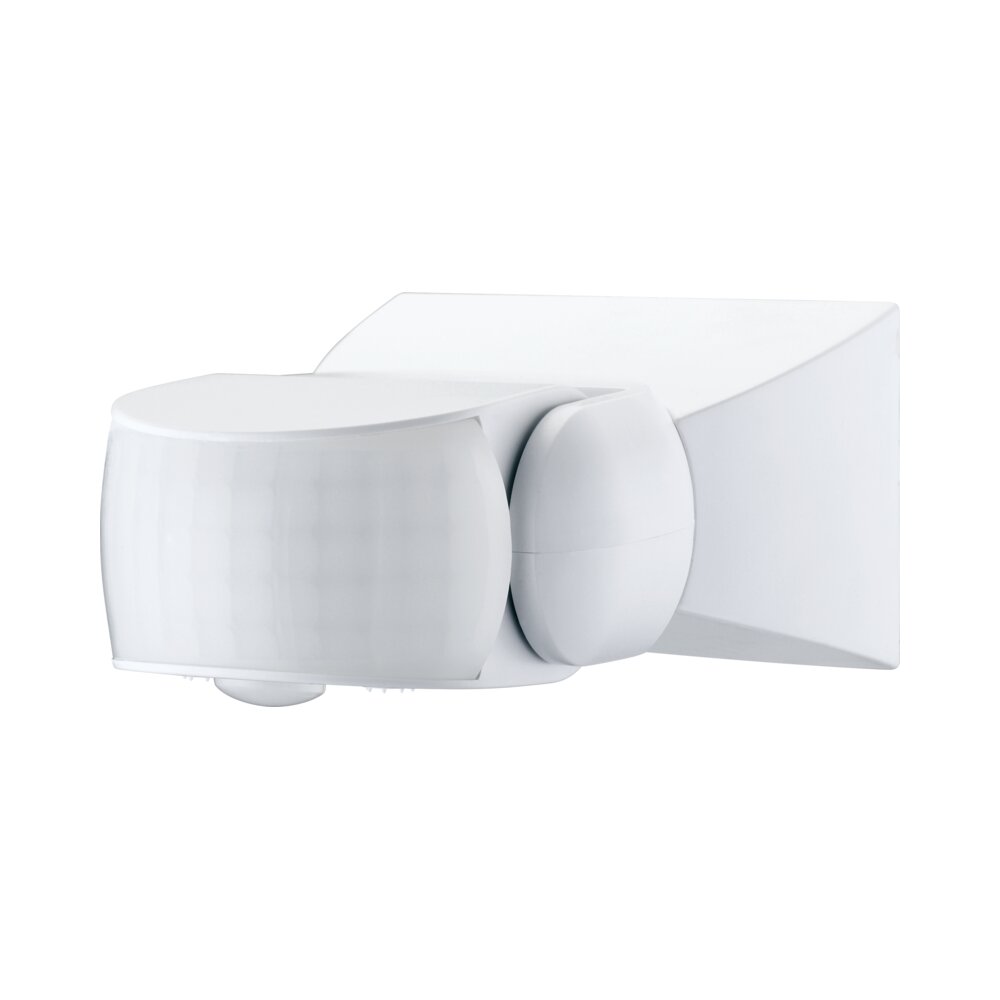
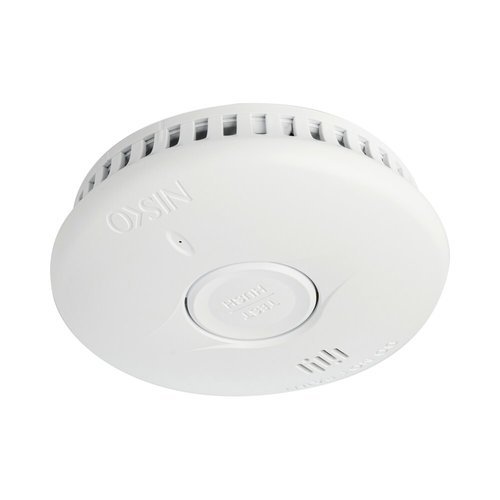
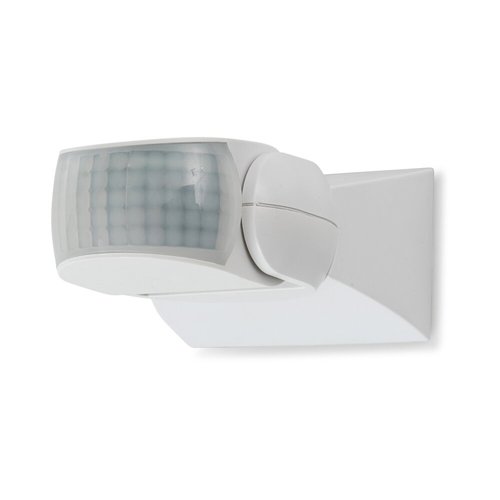
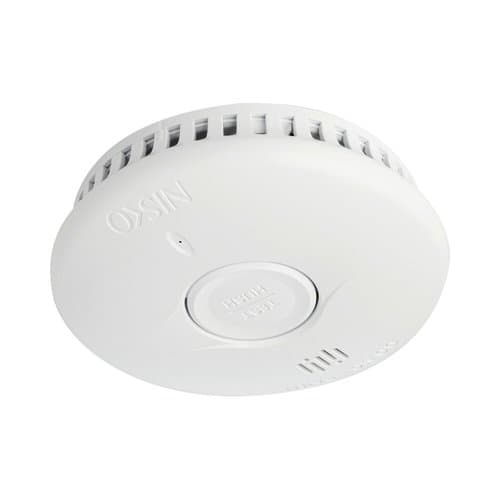
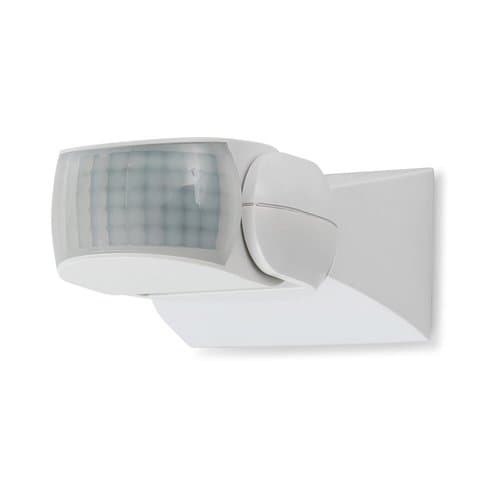
Before installation, prepare: a Phillips screwdriver, a drill with a 6mm bit for mounting holes (if needed), a tape measure to locate the room's center, and the detectors themselves: an independent smoke detector with a 10-year battery, an adjustable bi-directional IP65 motion detector for indoor spaces, and an adjustable outdoor ST15 IP65 motion detector for the yard or entrance. A typical 3-4 room apartment needs 2-3 smoke detectors.
⚠️ Before you start
Do not install a smoke detector near an AC unit, vent, or kitchen — airflow or steam can prevent real detection or cause false alarms. The minimum required distance is one meter from AC vents and bathrooms.
Step by step — how to do it right 👷
- Plan the location: mark a point on the ceiling as close as possible to the room's center, at least 4cm from the wall.
- Check distances: ensure at least one meter from showers, AC vents and cooking areas.
- Drill and mount: drill as needed, attach the detector base and screw it firmly to the ceiling or wall.
- Attach the detector: snap the detector unit onto the base; for outdoor motion detectors, verify IP65 sealing around the mounting point.
- Adjust detection angle: for adjustable motion detectors, set the angle and sensitivity to match the desired coverage area (yard, entrance, hallway).
- Function test: press the smoke detector's test button and confirm the alarm sounds; for motion detectors, walk in front of the lens and confirm activation.
- Log and reminder: note the installation date and set a yearly reminder for battery replacement and testing.
💡 Pro tip
Technicians recommend mounting outdoor motion detectors at 2-2.5m height, angled slightly downward — this covers a wider area and reduces false triggers from cats or birds.
Products to buy at ramo.co.il 🛒
Products you'll need ⭐
Frequently Asked Questions ❓
How many smoke detectors does an apartment need?
Under Standard 1220 Part 5, a smoke detector is required in every bedroom, living room and main living space — a typical 3-4 room apartment usually needs 2-3 detectors.
Is an outdoor motion detector rain-resistant?
Yes, detectors like the ST15 with an IP65 rating are dust and water resistant, suitable for outdoor installation including Israeli winters.
How often should I replace the smoke detector battery?
A detector with a 10-year battery doesn't need regular replacement, but it's recommended to test function monthly using the test button.
Can I install a smoke detector myself or do I need an electrician?
An independent battery-powered smoke detector doesn't require an electrician — you can install it yourself with just a screwdriver and drill.
Conclusion
Working smoke and motion detectors are the cheapest investment you can make in your home's safety. Check your existing detectors today, and fill in what's missing.