
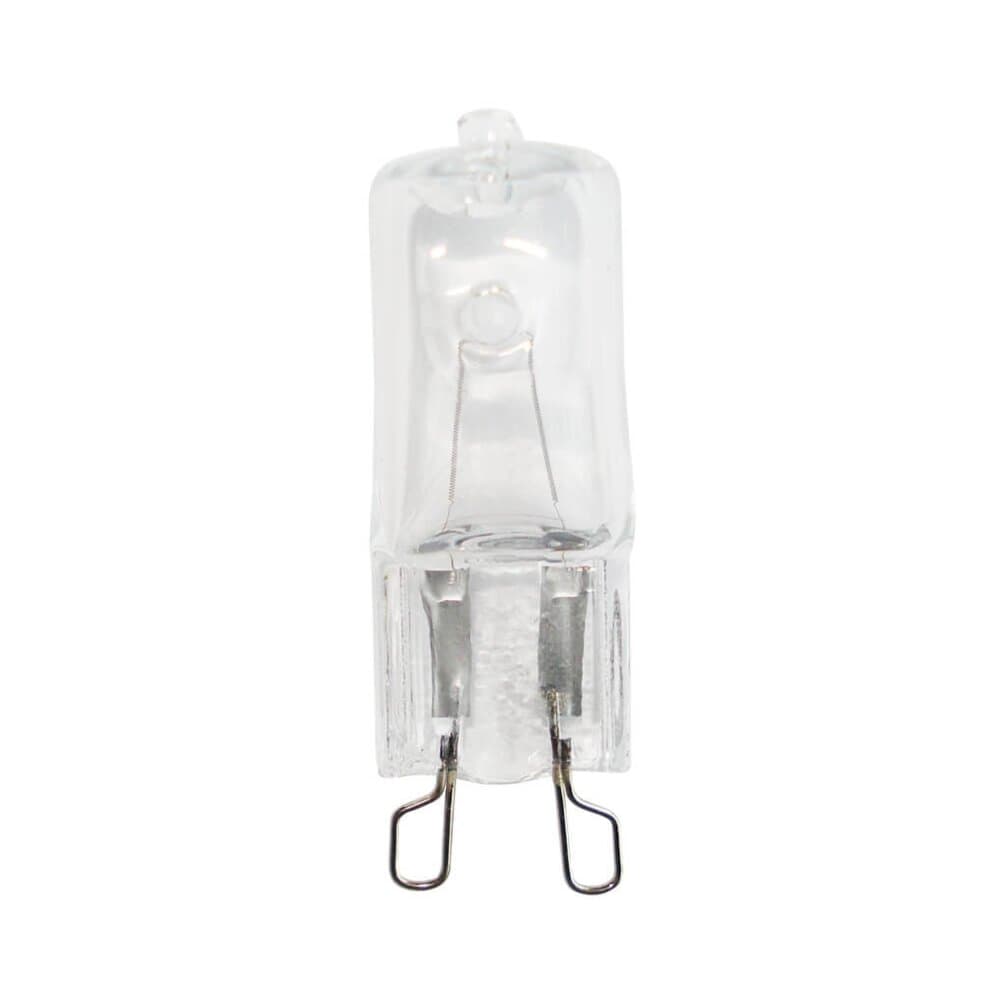
A burnt-out halogen bulb in your kitchen spotlight or chandelier can darken an entire corner of your home in an instant. This guide explains how to identify the correct base type and voltage, and how to safely replace a halogen bulb without risking yourself or shortening the new bulb's lifespan.
Quick Summary
💡 2-pin halogen bulbs come in 12V and 230V — identify correctly before buying
🔌 A GY6.35 base differs from a standard 2-pin base — check the old base before replacing
🧤 Never touch a new halogen bulb with bare fingers — skin oil shortens its life
⚡ Disconnect power and let the bulb cool before replacing it
✅ Matching wattage to the old bulb protects both the lighting and the fixture
What to prepare before you start? 🧰
Before replacing, prepare: a clean cloth or thin gloves to hold the bulb, a stable ladder for ceiling fixtures, and a suitable new halogen bulb — for example a 2-pin 20W 12V, 25W 230V, 40W 230V, 60W 230V, or GY6.35 50W 12V bulb depending on the fixture. Make sure to match voltage (12V vs 230V) and wattage before purchasing.
⚠️ Before you start
Halogen bulbs stay very hot even minutes after being switched off. Always turn off the switch, wait 5-10 minutes for cooling, and hold the new bulb with a cloth or glove — direct skin contact can leave an oil mark that causes premature failure.
Step by step — how to do it right 👷
- Disconnect power: turn off the light fixture's switch and wait for the bulb to fully cool.
- Identify the base type: check whether it's a standard 2-pin base or a GY6.35 base, and note the voltage marking (12V or 230V) on the old bulb.
- Remove the old bulb: pull or twist gently according to the fixture type, without forcing it.
- Choose a replacement: buy a bulb matching wattage and voltage — for example a 60W 230V for an identical burnt-out bulb.
- Install the new bulb: hold it with a cloth or glove and insert it fully into the socket.
- Check the fit: confirm the bulb sits straight and isn't loose in the socket.
- Restore power: turn the switch back on and confirm the light works at normal brightness.
💡 Pro tip
If the spot flickers after replacement, check the transformer (for 12V bulbs) — sometimes the issue isn't the bulb itself but the power supply, which may also need replacing.
Products to buy at ramo.co.il 🛒
| Image | Product | Price (incl. VAT) | Stock | Buy |
|---|---|---|---|---|
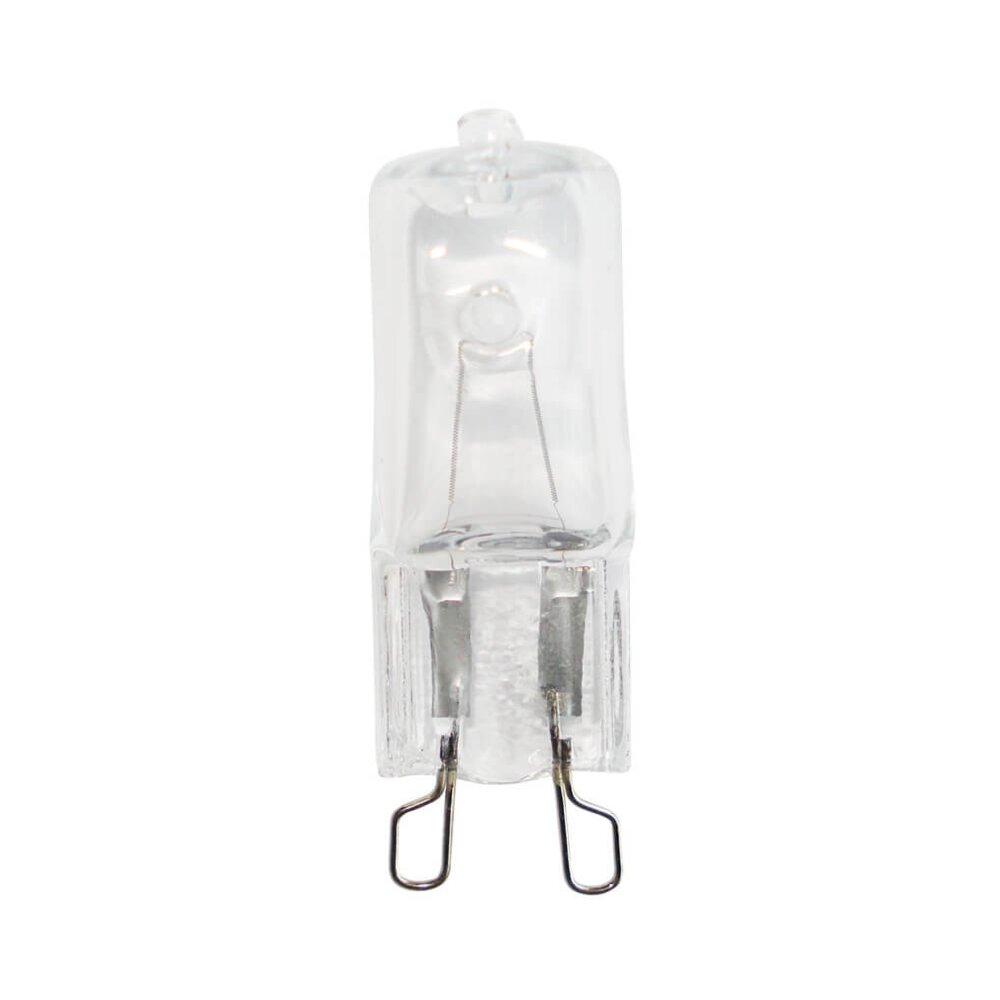 | נורת הלוגן 2 פינים 60W230V Nisko | **₪4** incl. VAT | ✅ In stock | 🛒 Buy |
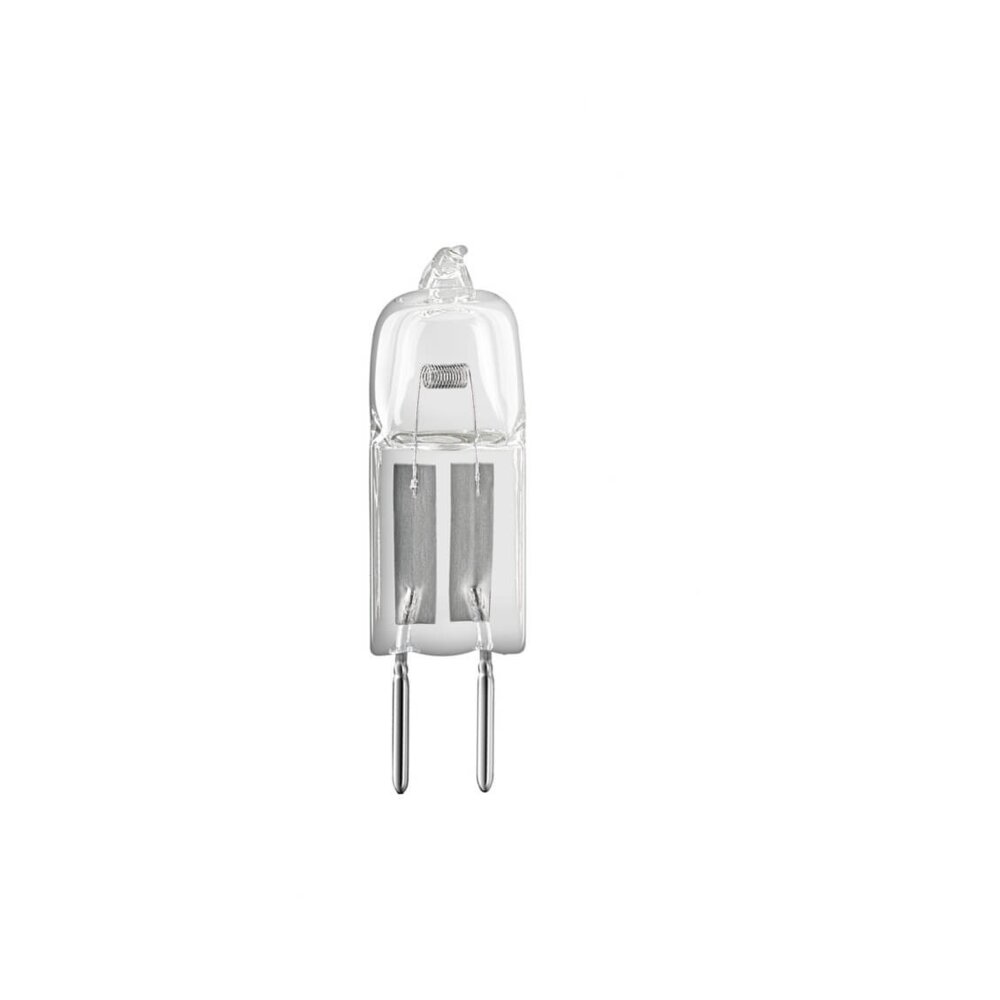 | נורת הלוגן 2 פינים 20W 12V Nisko | **₪2** incl. VAT | ✅ In stock | 🛒 Buy |
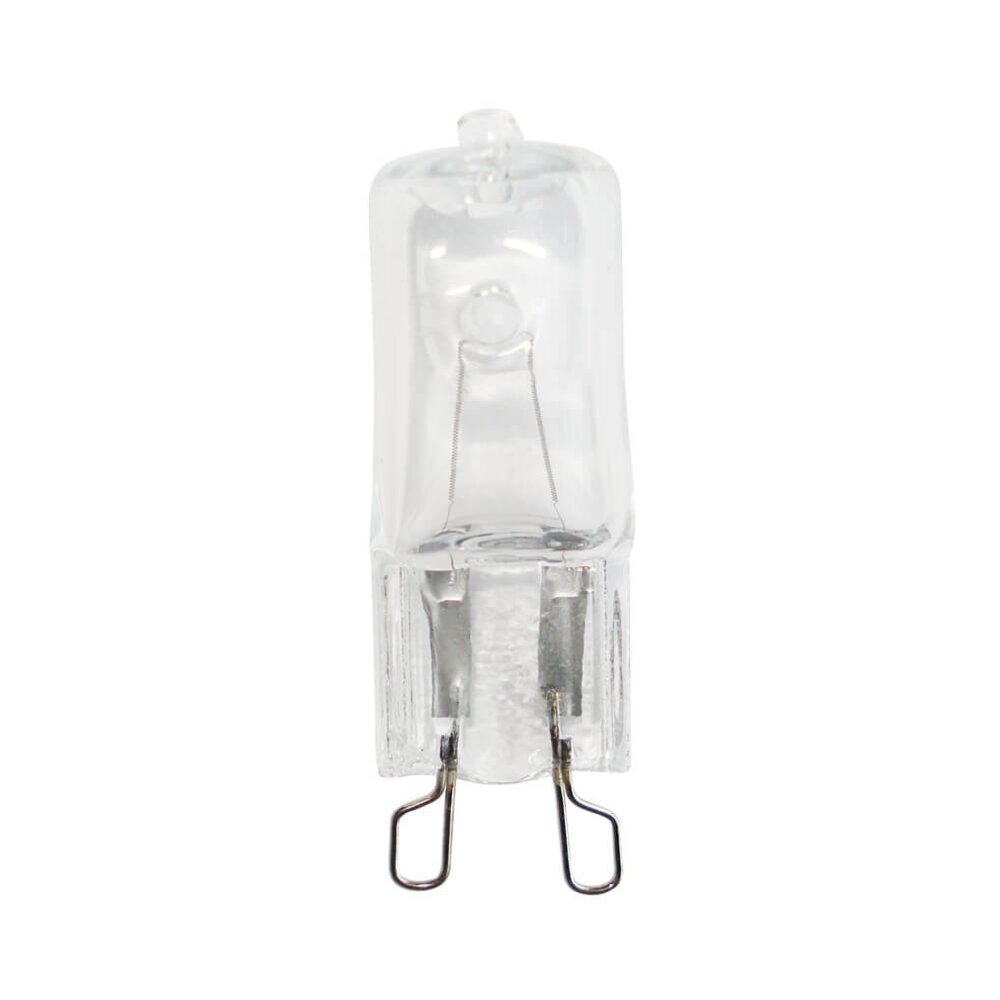 | נורת הלוגן 2 פינים 25W230V Nisko | **₪4** incl. VAT | ✅ In stock | 🛒 Buy |
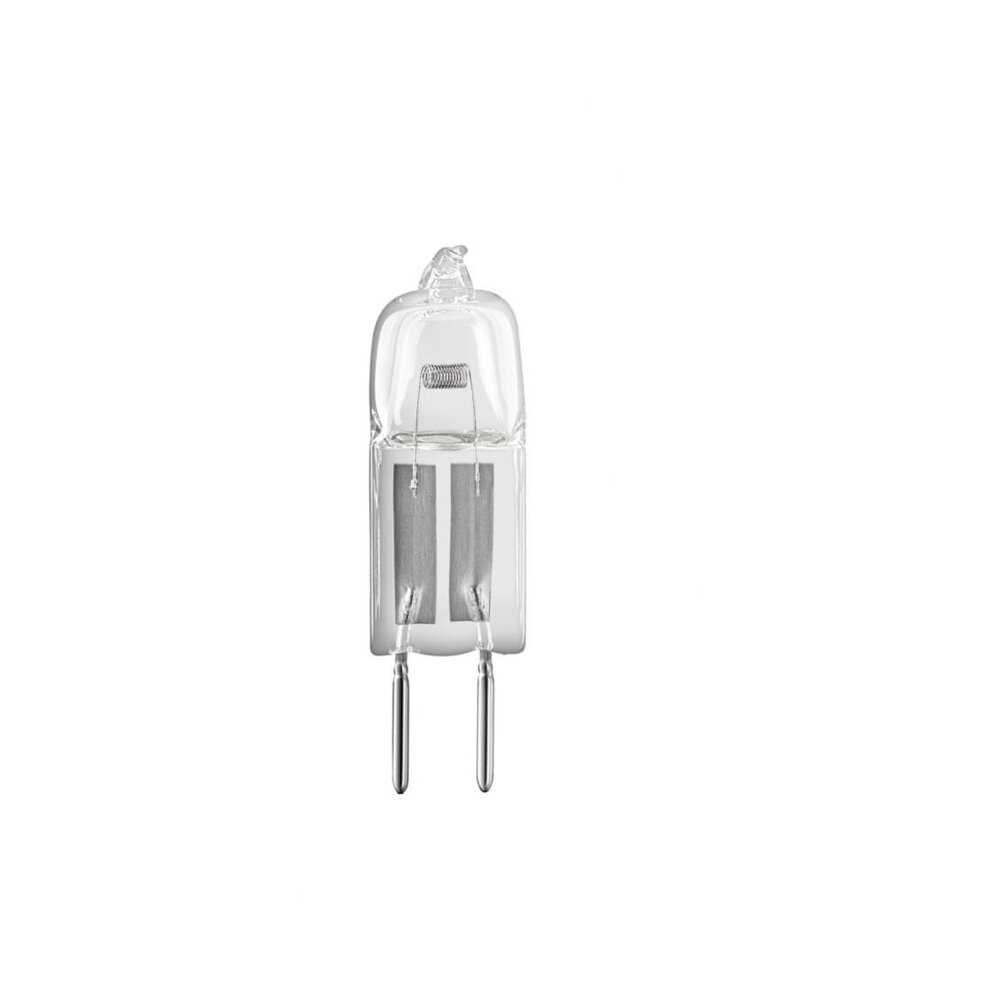 | נורת הלוגן 2 פינים 10W 12V Nisko | **₪9** incl. VAT | ✅ In stock | 🛒 Buy |
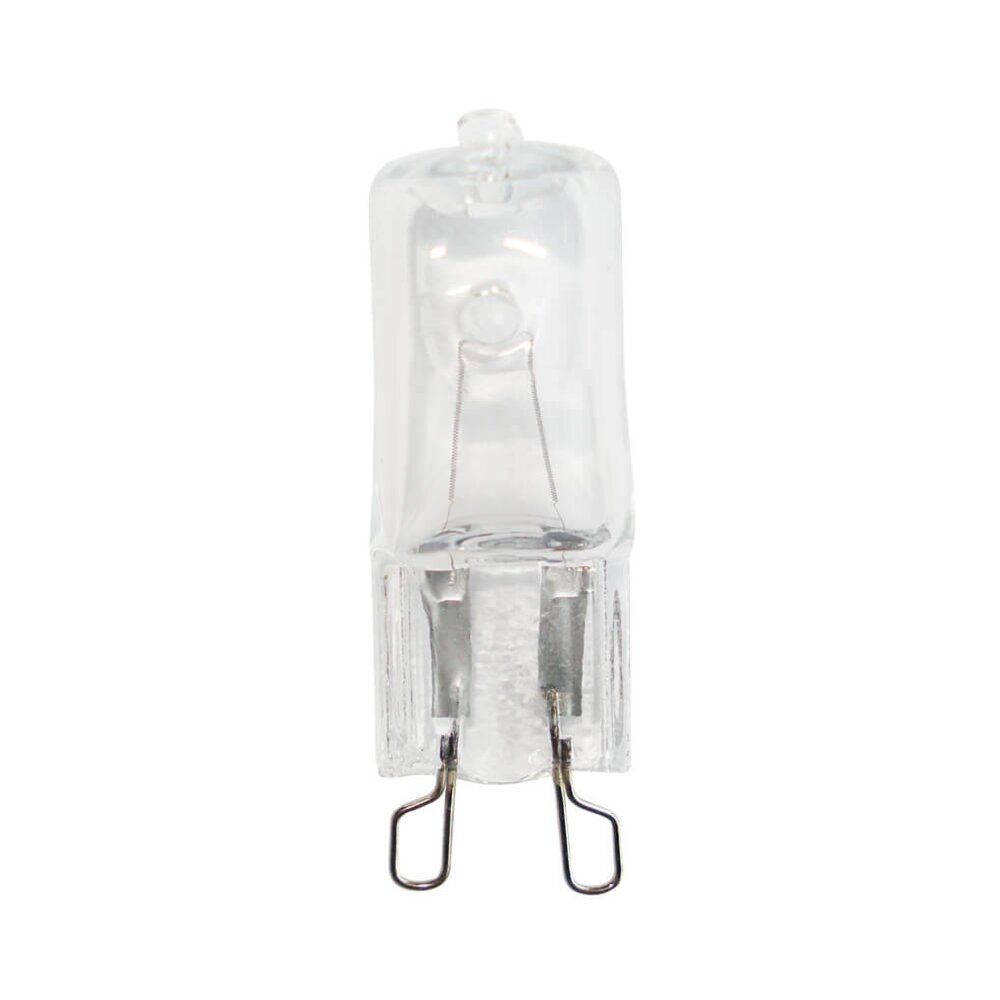 | נורת הלוגן 2 פינים 40W230V Nisko | **₪4** incl. VAT | ✅ In stock | 🛒 Buy |
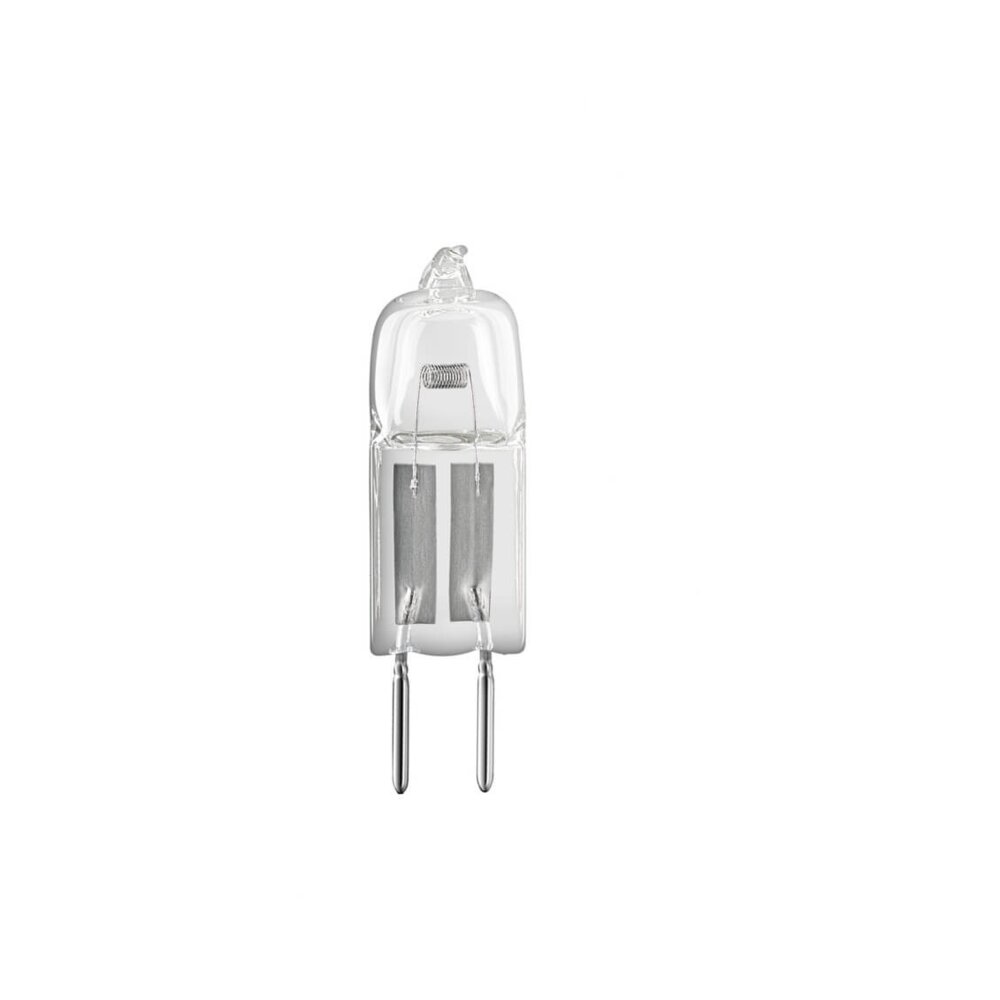 | נורת הלוגן 2 פינים 50W 12VGY635 Nisko | **₪9** incl. VAT | ✅ In stock | 🛒 Buy |
Products you'll need ⭐



Frequently Asked Questions ❓
How do I know which wattage and voltage to buy?
Check the marking stamped on the old bulb's base — it shows the wattage (e.g. 40W) and the voltage (12V or 230V).
Is it okay to touch a halogen bulb with bare hands?
Not recommended. Oil from your skin sticks to the glass and causes uneven heating that can shorten the bulb's life or cause it to burst. Always use a cloth or glove.
How long does a halogen bulb last?
On average 2,000-4,000 hours of use, depending on the model and the quality of the voltage supplied to it.
What's the difference between a 2-pin base and a GY6.35 base?
GY6.35 is a base with wider-spaced pins, common in higher-wattage spots like 50W — make sure to check for an exact match before buying.
Conclusion
A quality halogen bulb at the correct voltage protects the fixture and prevents repeated failures. Check the base and voltage, and replace with confidence.