
An incorrectly installed anchor will fail at exactly the wrong moment. This guide explains how to select the right anchor for each wall type, which drill bit size to use, and how to correctly install hammer anchors, mesh jumbo anchors, and ceiling anchor sets.
Quick Summary
✅ Hammer anchor 8×80 — drill 8mm hole at 80mm depth in concrete/block.
💡 Jumbo anchor is for thermo-acoustic mesh panels — not solid concrete.
⚠️ In lightweight block (Ytong/aerated) — drill-only mode, no hammer; it will shatter the block.
🔧 Bolt + washer + anchor 8mm set is ideal for suspended acoustic ceilings.
📦 Box of 100 = ~40% savings vs. per-unit pricing.
What You Need Before Starting 🧰
Prepare: electric drill (with hammer mode for concrete, without for block), 8mm concrete drill bit (for 8×80 anchor), hammer for driving the anchor, depth gauge or masking tape to mark drill depth, vacuum or bulb blower to clean the hole. Choose anchor by material: hammer anchors (nylon) for concrete and block, jumbo anchor for mesh panels, bolt+washer+anchor sets for ceiling work.
⚠️ Warning Before Starting
In lightweight/aerated block (Ytong, pumice) — always use drill-only mode (no hammer), otherwise the block will crumble. In reinforced concrete — if the bit jams, ease it out slowly while drilling, don't force it.
Step by Step — How to Do It Right 👷
Step 1 — Identify wall type: Tap the wall — hollow sound = plasterboard/hollow block; solid sound = concrete/solid block. Use expanding plasterboard anchors for hollow walls; hammer anchors for concrete.
Step 2 — Drill the hole: For an 8×80 anchor, use an 8mm bit at 80–90mm depth. Mark depth on the bit with masking tape. Concrete: use hammer mode. Block: drill mode only.
Step 3 — Clean the hole: Clear drilling dust with a blower or vacuum. Dust left in the hole weakens the anchor's grip.
Step 4 — Insert the anchor: Insert the 8×80 hammer anchor into the hole. Tap lightly with a hammer until the anchor is flush with the wall surface.
Step 5 — Drive the bolt: Insert a galvanized screw (included in sets with PZ2 bit) and tighten. Don't overtighten — the anchor will bite into the wall.
Step 6 — Test: Pull manually with full force. A correctly installed 8×80 anchor in solid concrete holds up to 250 kg pull-out load.
💡 Pro Tip
For jumbo mesh anchors — fold the legs upward before inserting through the mesh. After insertion, rotate 90° — the legs will spread and grip behind the mesh.
Buy at ramo.co.il 🛒
| Image | Product | Price (incl. VAT) | Stock | Buy |
|---|---|---|---|---|
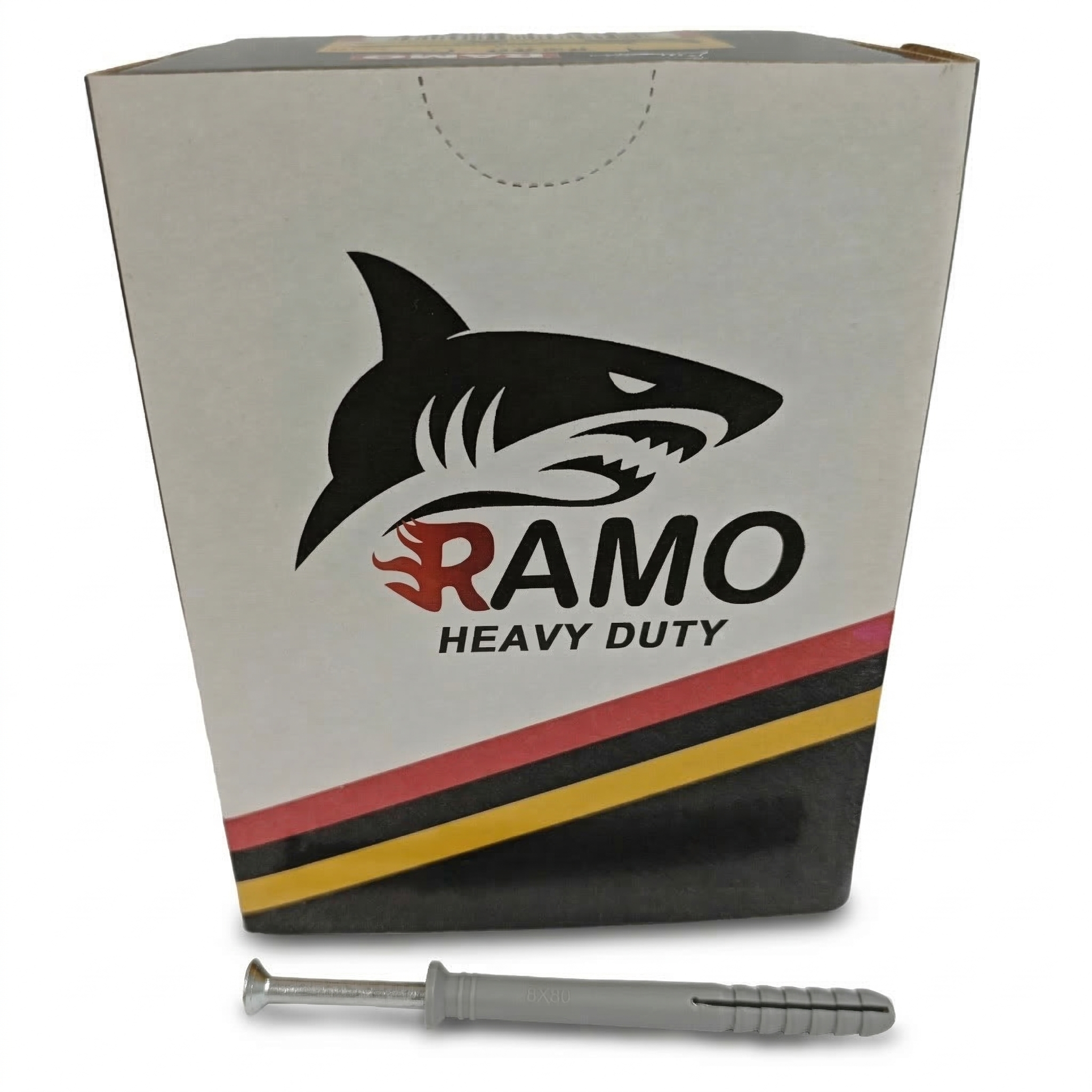 | Hammer Anchor 8X80 – Box 100 pcs RAMO Heavy Duty | **₪59** incl. VAT | ✅ In Stock | 🛒 Buy |
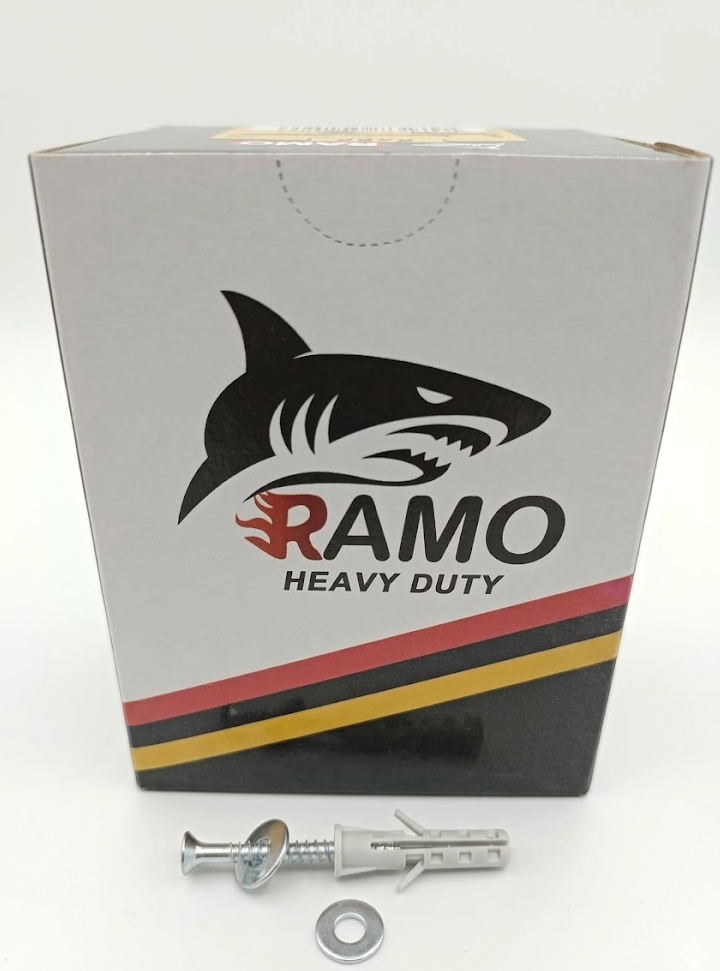 | Bolt + Washer + Anchor 8mm Set 100 pcs RAMO | **₪50** incl. VAT | ✅ In Stock | 🛒 Buy |
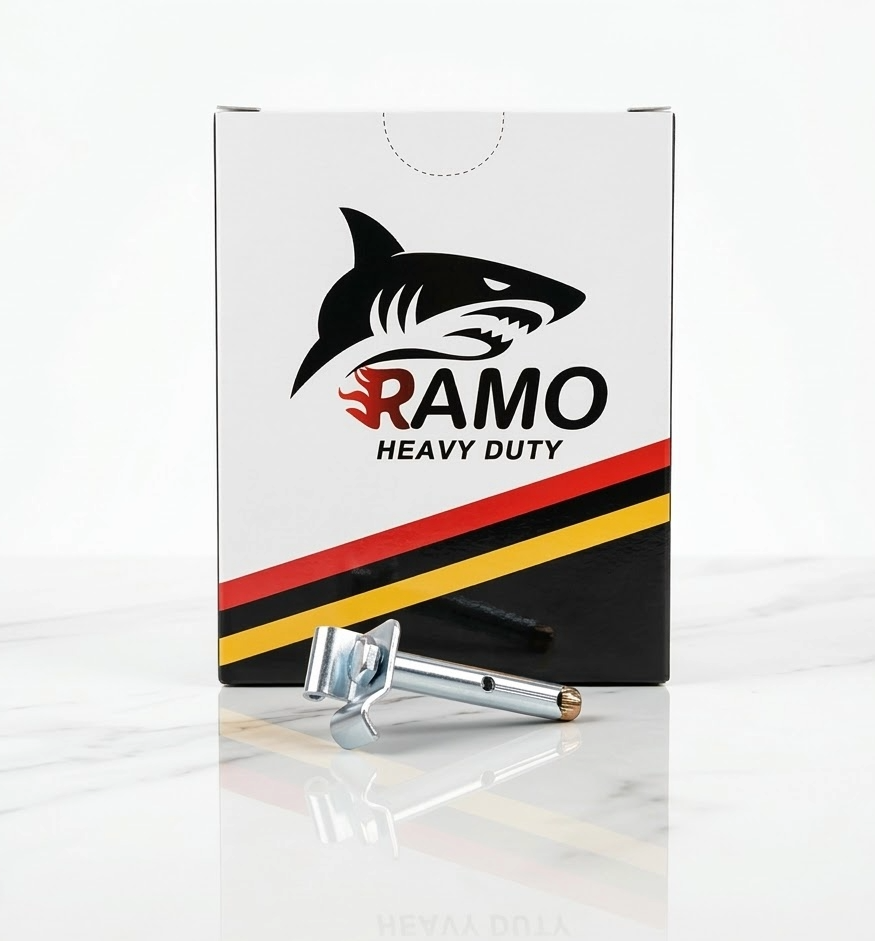 | Jumbo Anchor for Mesh 50 pcs RAMO Heavy Duty | **₪69** incl. VAT | ✅ In Stock | 🛒 Buy |
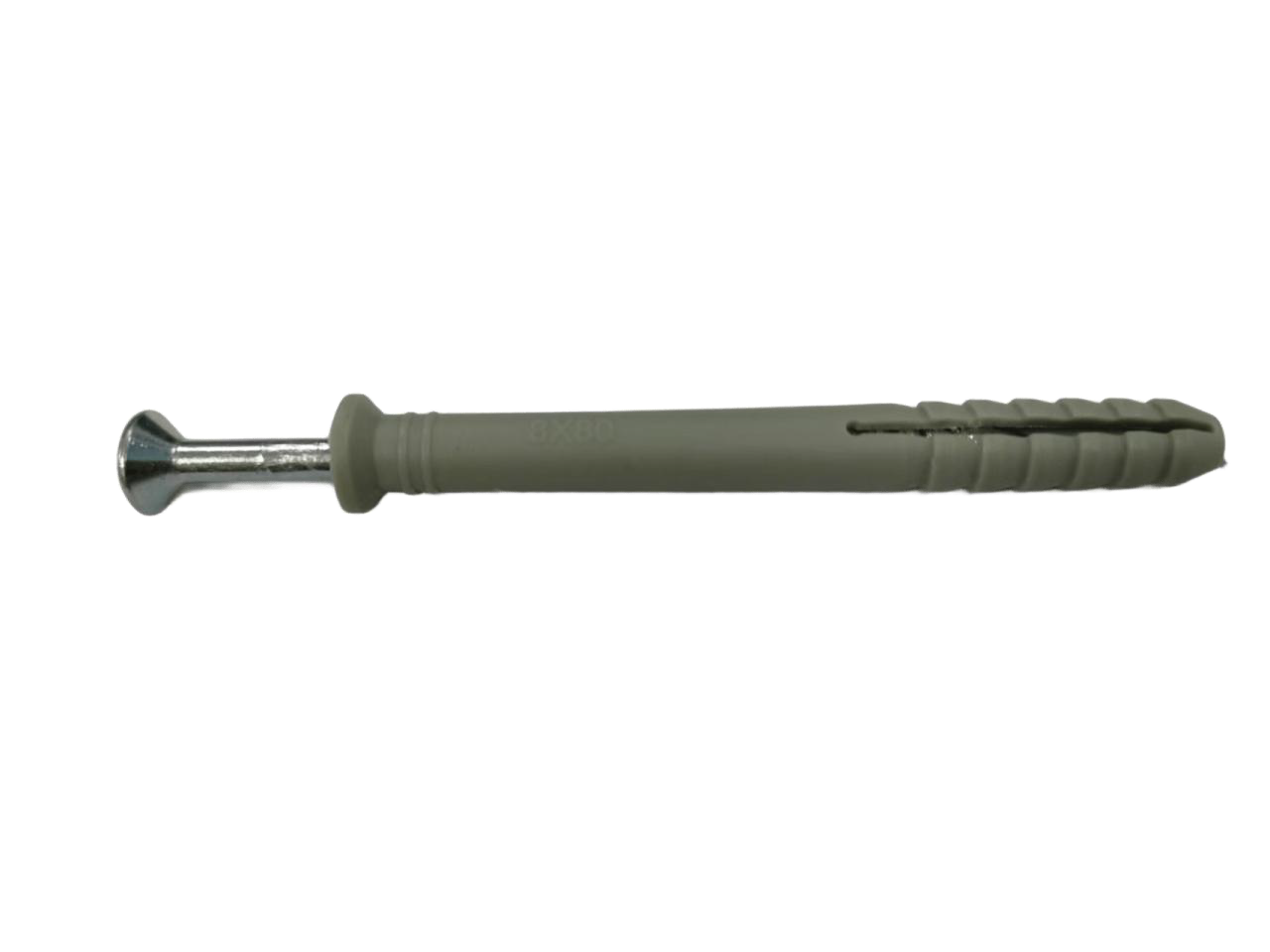 | 100 Nylon Hammer Anchors 8*80 + PZ2 Bit xDrill | **₪55** incl. VAT | ✅ In Stock | 🛒 Buy |
Products You'll Need ⭐
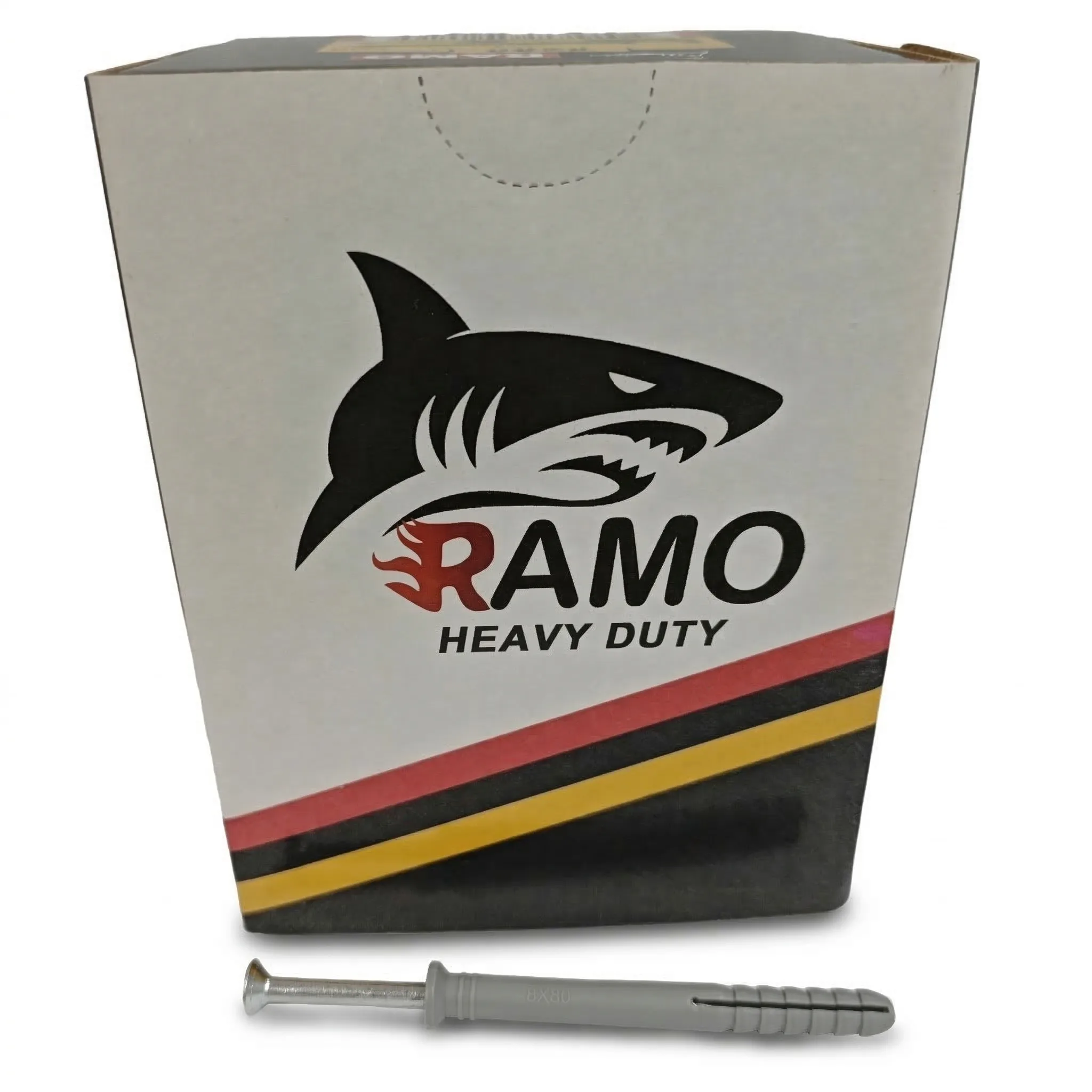
RAMO Heavy Duty 8x80mm Hammer-In Anchor – Box of 100
₪28
View product
8mm Bolt + Washer + Sleeve Set, 100 Units RAMO RAMO Heavy Duty
₪30
View product
RAMO Heavy Duty Jumbo Clips for Networks, 50 Units
₪39
View product
100-Piece Nylon Hammer Anchor Set with 8*80 mm Galvanized Screw + Free PZ2 Bit xDrill
₪26
View product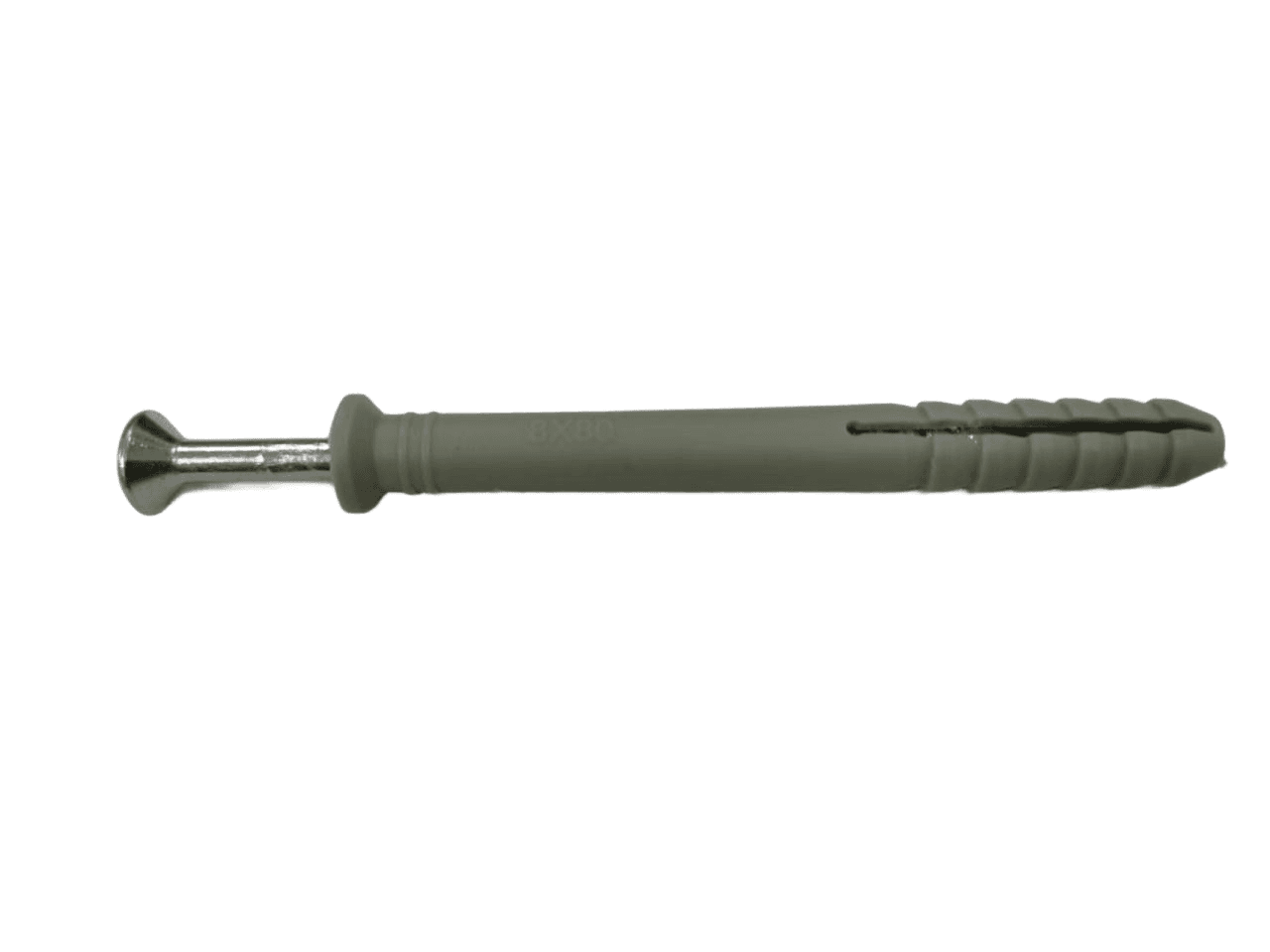
Dibel Dpika 100 Units - 6x60 mm with Screw and Bit PZ2 - Professional Set
₪23
View productFrequently Asked Questions ❓
What's the difference between a hammer anchor and a regular anchor?
A hammer anchor includes a bolt already inserted — the anchor expands as the bolt goes in, no separate step needed. A regular anchor is inserted first, then a separate bolt is screwed in. Hammer anchors are faster to install.
What's the difference between 6×60 and 8×80 anchors?
6×60 suits light loads — pictures, small shelves, up to ~50 kg in concrete. 8×80 for heavier loads — cabinets, kitchen shelves, up to ~250 kg in concrete.
Conclusion
With the right anchor and correct installation, every mounting holds for years. All sets are in stock at ramo.co.il with fast delivery.