
A jigsaw is one of the most versatile tools in the toolbox — cuts wood, drywall, metal, and plastic in straight and curved lines. To get a clean, safe cut, you need to know the basic rule: the blade determines everything. This guide will teach you how to choose, prepare, and operate correctly.
Quick Summary
✅ T-Shank blade fits most modern jigsaws
✅ Teeth facing up = fewer splinters on the visible side
✅ Fewer teeth per cm = faster but rougher cut
✅ Always align the jigsaw on the marked line — don't put the line between two teeth
✅ For curved cuts — don't force the jigsaw, turn slowly
What to Prepare? 🧰
Before operating the jigsaw:
- Jigsaw — 570W electric for heavy work, 20V cordless for flexibility
- Blades for each material — T-Shank for wood, special blade for metal
- Trestles to support the board
- Marked cut line with pencil + masking tape
- Safety glasses and dust mask — mandatory
- Ear protection (jigsaws are loud)
⚠️ Safety — No Compromises
Never hold the board with your hands while cutting. The board must be clamped to a trestle. A jigsaw blade that breaks can be ejected with force. Stop the tool before any blade change — check there is no power.
Step by Step — Using a Jigsaw Correctly 👷
1. Choose the right blade for the material 🔧
- Wood: 6-10 TPI blade — low TPI for fast cut, high TPI for smooth finish
- Drywall: special 8 TPI drywall blade (coarse teeth)
- Metal: 18-24 TPI blade (very fine teeth) + guide pin
- Plastic: high-TPI wood blade (14-20) without increasing speed
2. Mark a clear cut line ✏️
Mark with a grease pencil (not regular pencil). For straight cuts — use a straight guide rail that attaches to the jigsaw.
3. Prepare the material 📐
Support the board on two trestles — not on one edge. The board must be supported on both sides of the line and allow the blade to extend freely below.
4. Set speed by material ⚡
- Hardwood (oak, olive): maximum speed + orbital motion
- Softwood (pine, fir): medium speed
- Metal: low speed + cutting oil
- Drywall: medium speed without orbital motion
5. Cut with even pressure ◀️
Start the cut at the edge of the board — not the middle. If you need to cut inside the board (like a window opening): drill a 10mm guide hole first, then insert the blade.
6. Curved cuts 🔄
For tight curves (radius < 5cm): stop, back up 1cm, cut again. Never force the blade to turn — it will break.
7. Edge finishing 🧹
After cutting — sand the edge with 80-grit sandpaper (hand sanding block) for wood, or a metal file for metal.
💡 Pro Tip
Professionals apply masking tape along the cut line on the visible side of the board before cutting — the tape prevents wood splinters and the line is drawn directly on it. After cutting — peel the tape and you have a clean edge.
Products at ramo.co.il 🛒
| Image | Product | Price (incl. VAT) | Stock | Buy |
|---|---|---|---|---|
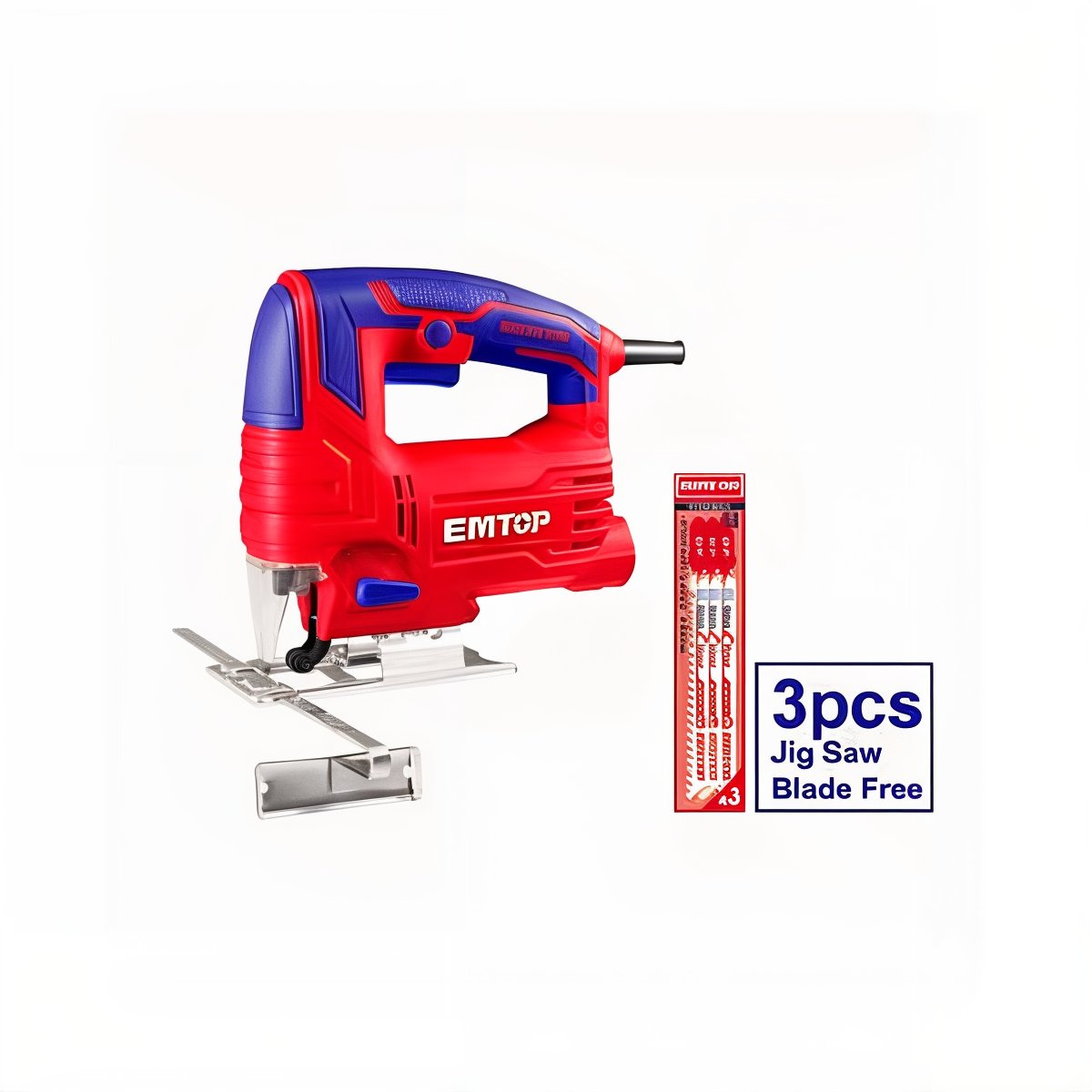 | מסור אנכי ג'יקסו חשמלי 570W RAMOX | **₪254** incl. VAT | ✅ In Stock | 🛒 Buy |
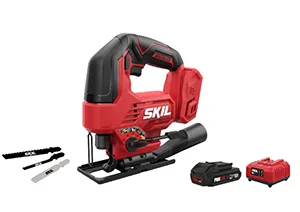 | מסור אנכי ג'יקסו נטען 20V Brushless SKIL | **₪395** incl. VAT | ✅ In Stock | 🛒 Buy |
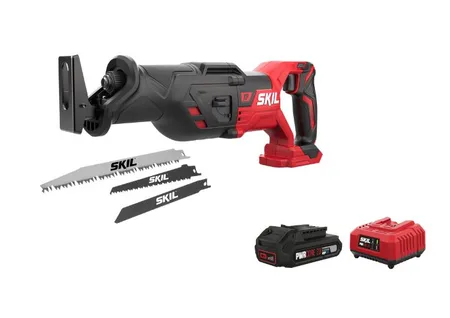 | מסור אנכי ג'יגסו 20V Brushless XP + תיק SKIL | **₪734** incl. VAT | ✅ In Stock | 🛒 Buy |
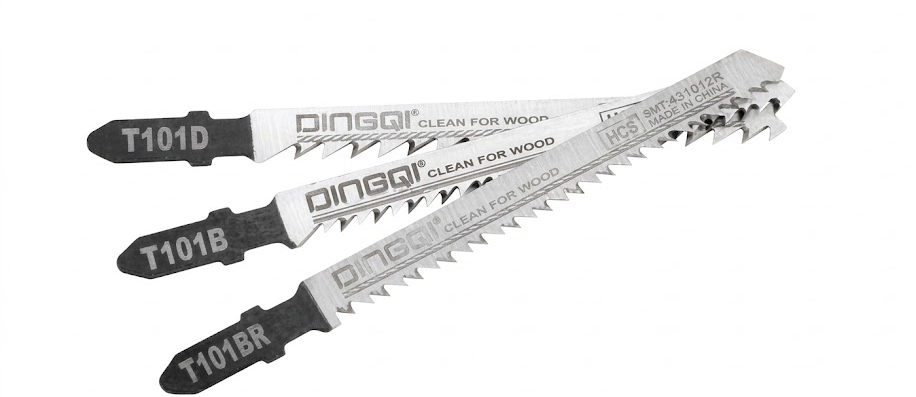 | להב מסור אנכי T-Shank לעץ ופלסטיק DINGQI | **₪30** incl. VAT | ✅ In Stock | 🛒 Buy |
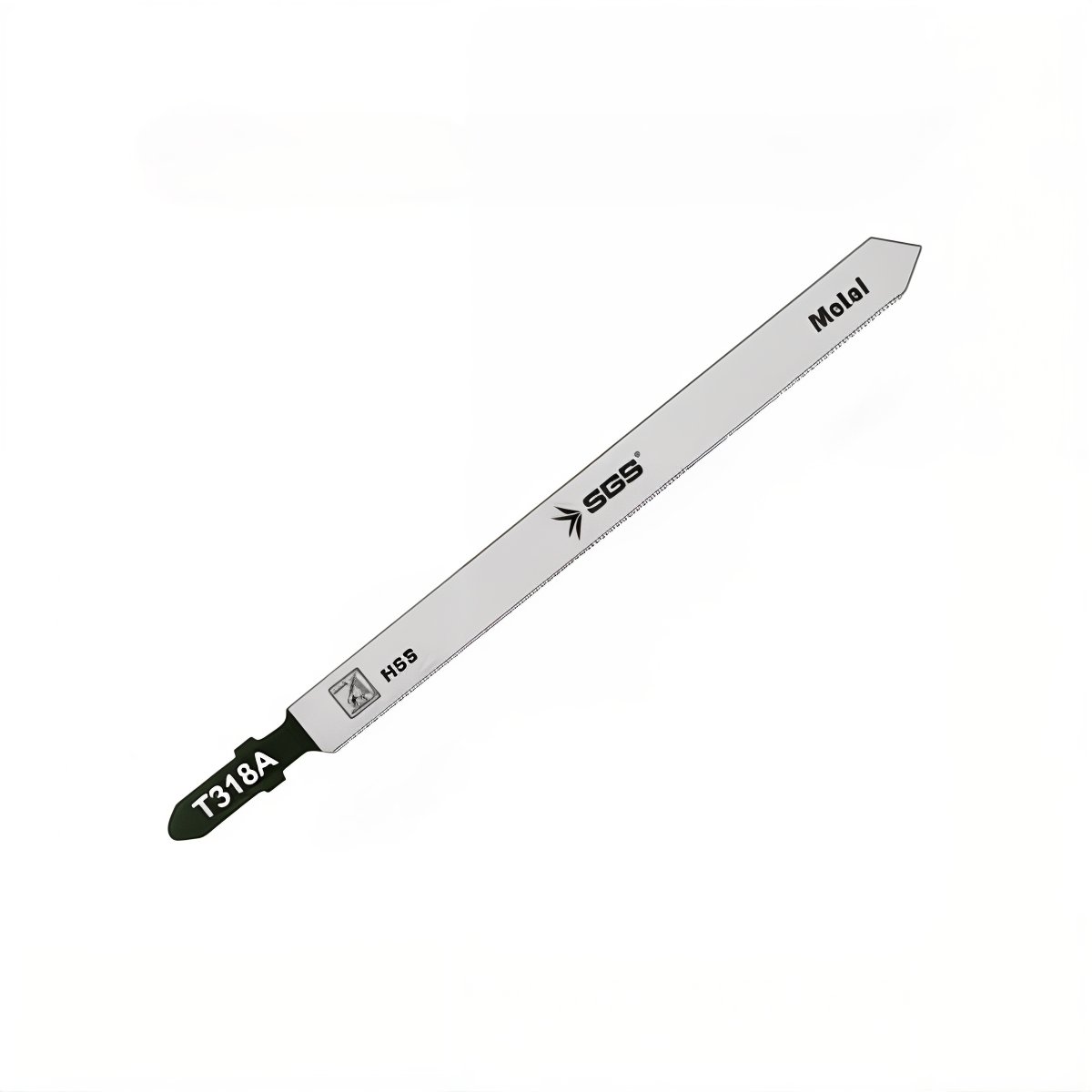 | מסוריות ג'יג SAW למתכת RAMOX | **₪40** incl. VAT | ✅ In Stock | 🛒 Buy |
Products You'll Need ⭐
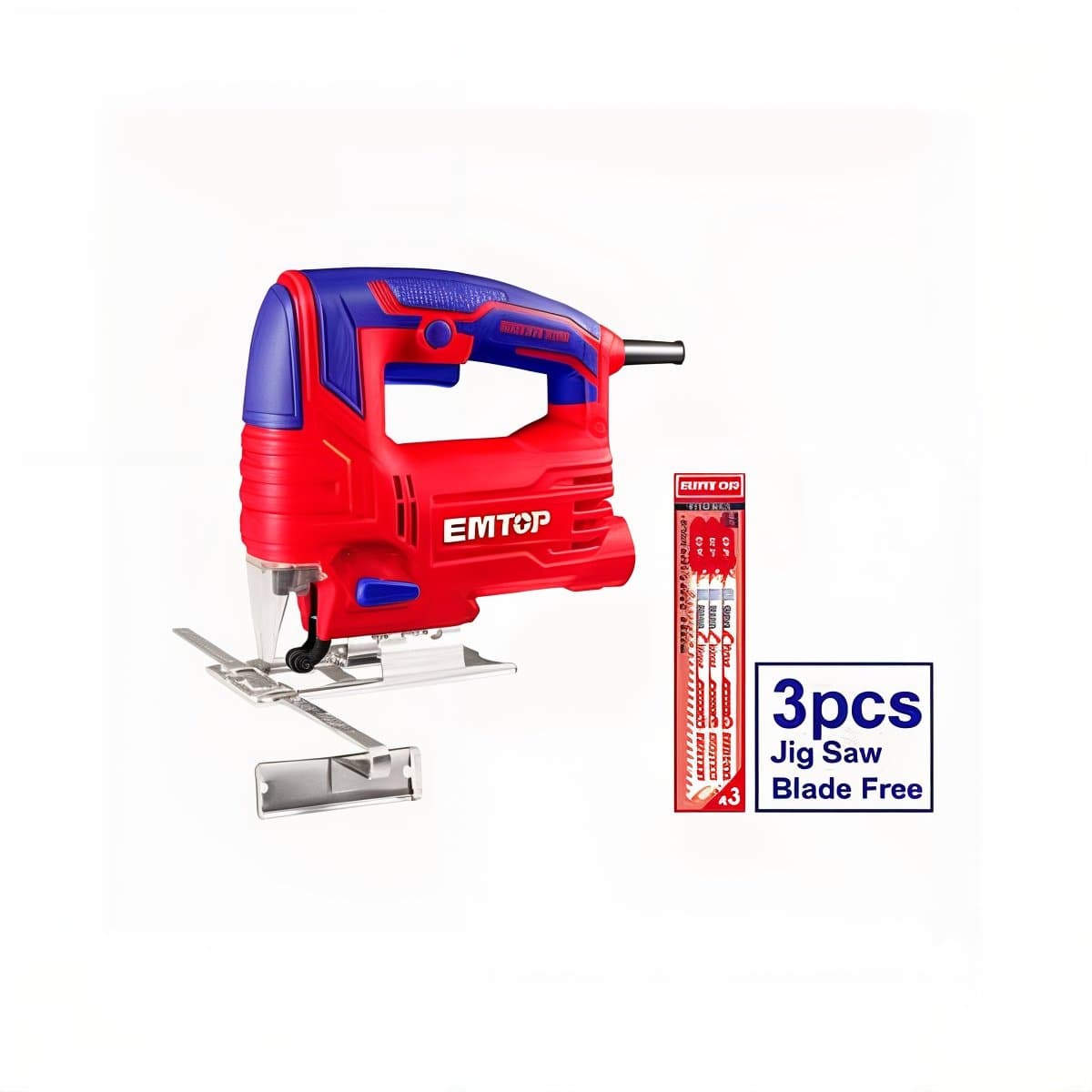
Electric Jigsaw 570W – High Performance and Precision Cutting
₪241
View product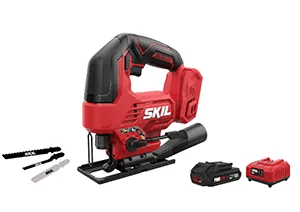
מסור אנכי (ג'יקסו) נטען 20V Brushless מתנה סוללה 2.0Ah + מטען SKIL
₪398
View product
20V Brushless XP Cordless Jigsaw + Free Carrying Case, 2.0Ah Battery + Charger SKIL
₪740
View product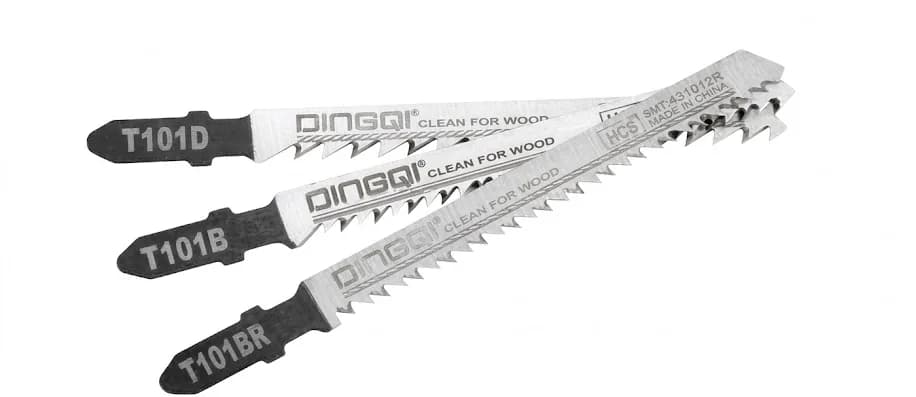
Professional T-Shank Jigsaw Blade for Wood and Plastic Cutting - Model 47101BR DINGQI
₪30
View product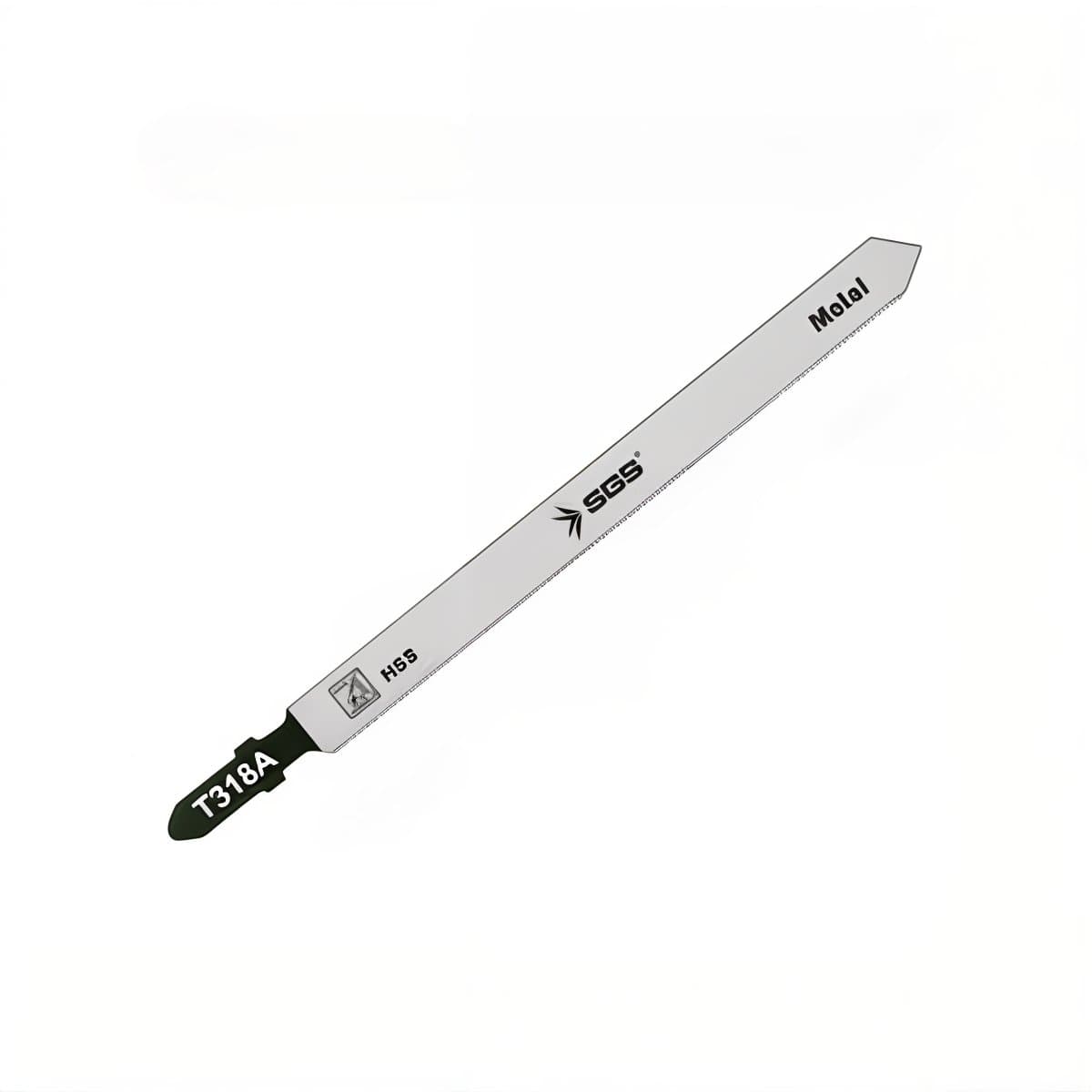
SAW Metal Jigsaw Blades – Precision Cutting with High Durability
₪15
View productFAQ ❓
What's the difference between a corded and cordless jigsaw?
A corded jigsaw suits prolonged work and isn't limited by battery. A cordless jigsaw is more flexible and convenient for work at height or without a nearby outlet. For daily use — a Brushless cordless is preferred.
What is Orbital motion in a jigsaw?
Orbital motion causes the blade to also move forward-backward (in addition to up-down) — increases cutting speed but reduces finish cleanliness. Use only for wood — not drywall or metal.
Why does my blade break?
Three main reasons: forcing a turn in curved cuts, pressing too hard toward the cut, or wrong blade for the material (e.g., wood blade in sheet metal).
What TPI is correct for cutting drywall?
8 TPI is best for drywall — coarser teeth reduce the dust created. High TPI blades (18+) clog quickly in drywall.
Can a jigsaw cut tiles?
Not with a regular blade. For ceramic tiles — you need a specific ceramic blade (usually Bi-Metal with carbide powder) and low speed. Usually a dedicated tile-cutting wheel is better.
Conclusion
A jigsaw with the right blade — cuts anything cleanly and precisely. Order now at ramo.co.il — electric jigsaw, SKIL cordless, and blades for every material.