
The utility knife is the most common tool on Israeli construction and renovation sites. A sharp, replaceable blade saves time and ensures precise cutting — in drywall, cardboard, carpet, and packaging. This guide explains how to choose, use, and replace the blade like a professional.
Quick Summary
✅ Utility knife suits cutting drywall, cardboard, carpet, and vinyl
✅ Snap off a blade segment when you feel resistance during cutting
✅ Lower cutting angle (30°) gives a cleaner cut
✅ Choose 18mm blade for construction, 9mm for delicate work
✅ Use a folding knife for travel and enhanced safety
What to Prepare Before Starting? 🧰
Before starting, prepare:
- Utility knife (18mm for drywall/cardboard, 9mm for delicate work)
- Replacement blades — keep at least 5 blades in reserve
- Metal ruler (for straight, safe cuts)
- Cutting mat (thick cardboard or wooden board)
- Work gloves (safety first)
For drywall work: also prepare a diamond nail or scorer to mark the line before cutting.
⚠️ Important Safety Warning
⚠️ Never extend the blade pointing toward your body. Hold a metal ruler, not your fingers. After use — immediately lock the knife. A broken blade is sharp before you feel it — place blade segments in a closed box.
Step by Step — How to Do It Right 👷
1. Choose the right blade 🔧
For drywall and panels: 18mm standard blade. For cardboard and packaging: 9mm thin blade. For carpet: reinforced blade with titanium coating.
2. Extend blade to correct length 📏
Extend 2-3 segments only — no more. Too long a blade is dangerous and bends. Check the lock is secure.
3. Set cutting angle ✂️
An angle of 30°-45° to the surface gives a clean cut. The lower the angle, the sharper the cut.
4. Use a metal ruler for straight cuts 📐
Never cut freehand. Place a metal ruler on the marked line, press firmly, and draw the knife along it in one continuous pull.
5. Snap blade segment in time 🔩
As soon as you feel slight resistance or the cut is not clean — snap off a blade segment. Use the back of the knife, not your fingers.
6. Full blade replacement 🔄
Press the rear button/slider, remove old blade, insert new one. Old blade goes in a box.
7. Proper storage 🧹
After use — lock the knife. Store knife and spare blades in a locked toolbox.
💡 Pro Tip
Professionals mark the cut line with a grease pencil (oil marker) on drywall — not a regular pencil that smears. After cutting drywall, run a coarse hand file (60 grit) along the edge for a straight edge ready for grout.
Products at ramo.co.il 🛒
| Image | Product | Price (incl. VAT) | Stock | Buy |
|---|---|---|---|---|
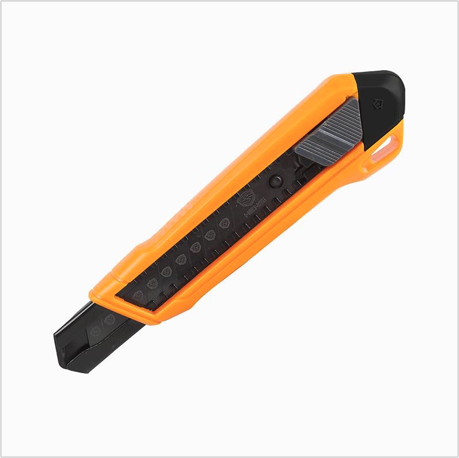 | סכין יפנית מקצועית 18 מ"מ DINGQI | **₪2** incl. VAT | ✅ In Stock | 🛒 Buy |
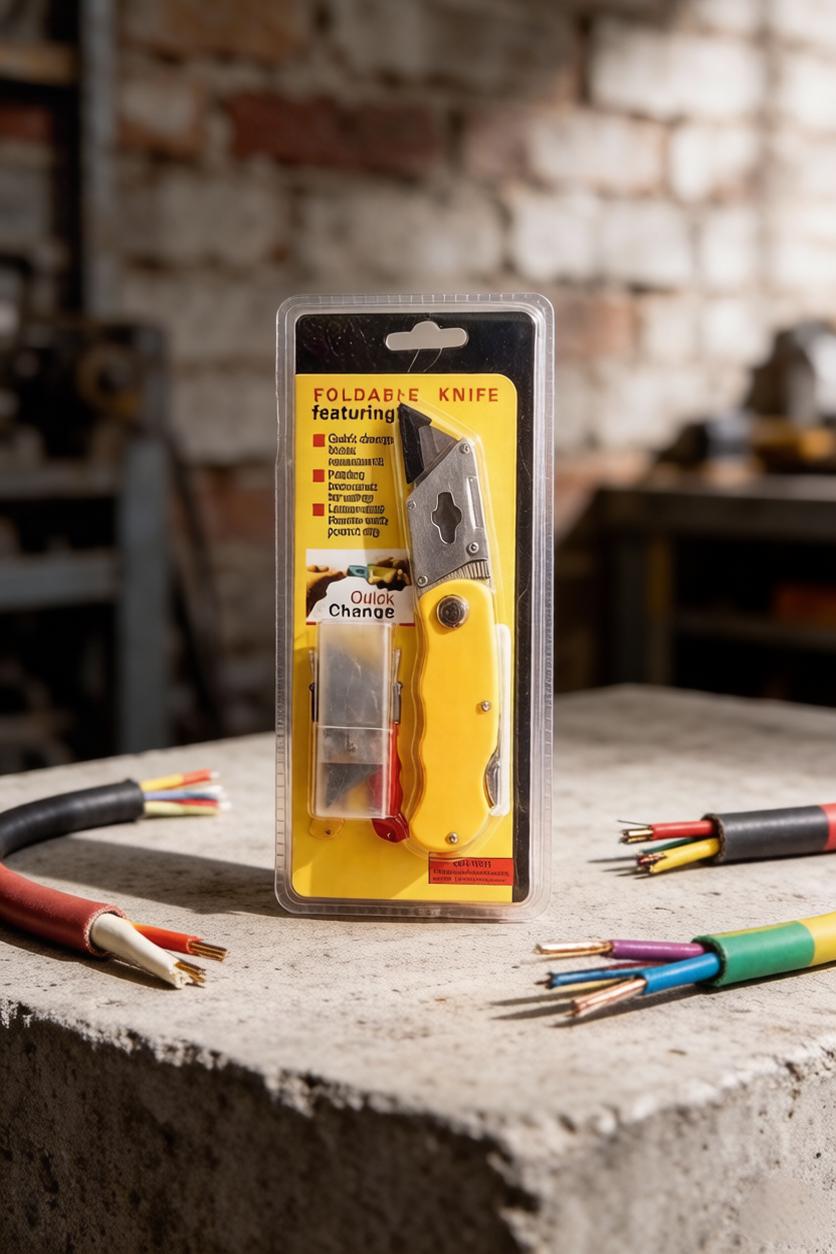 | סכין קרפנטר מתקפל החלפת להב מהירה RAMO | **₪12** incl. VAT | ✅ In Stock | 🛒 Buy |
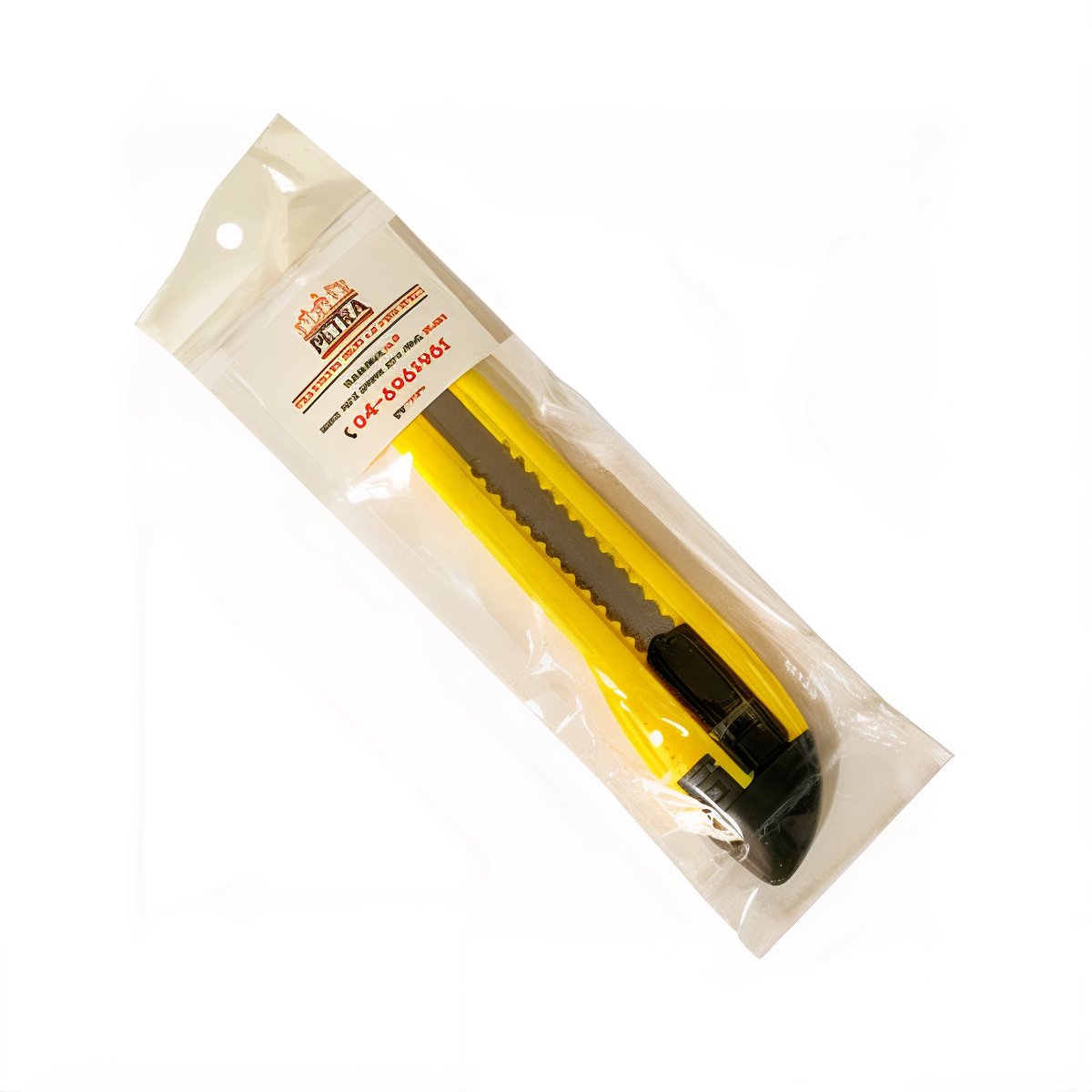 | סכין יפני מחוזק RAMOX | **₪3** incl. VAT | ✅ In Stock | 🛒 Buy |
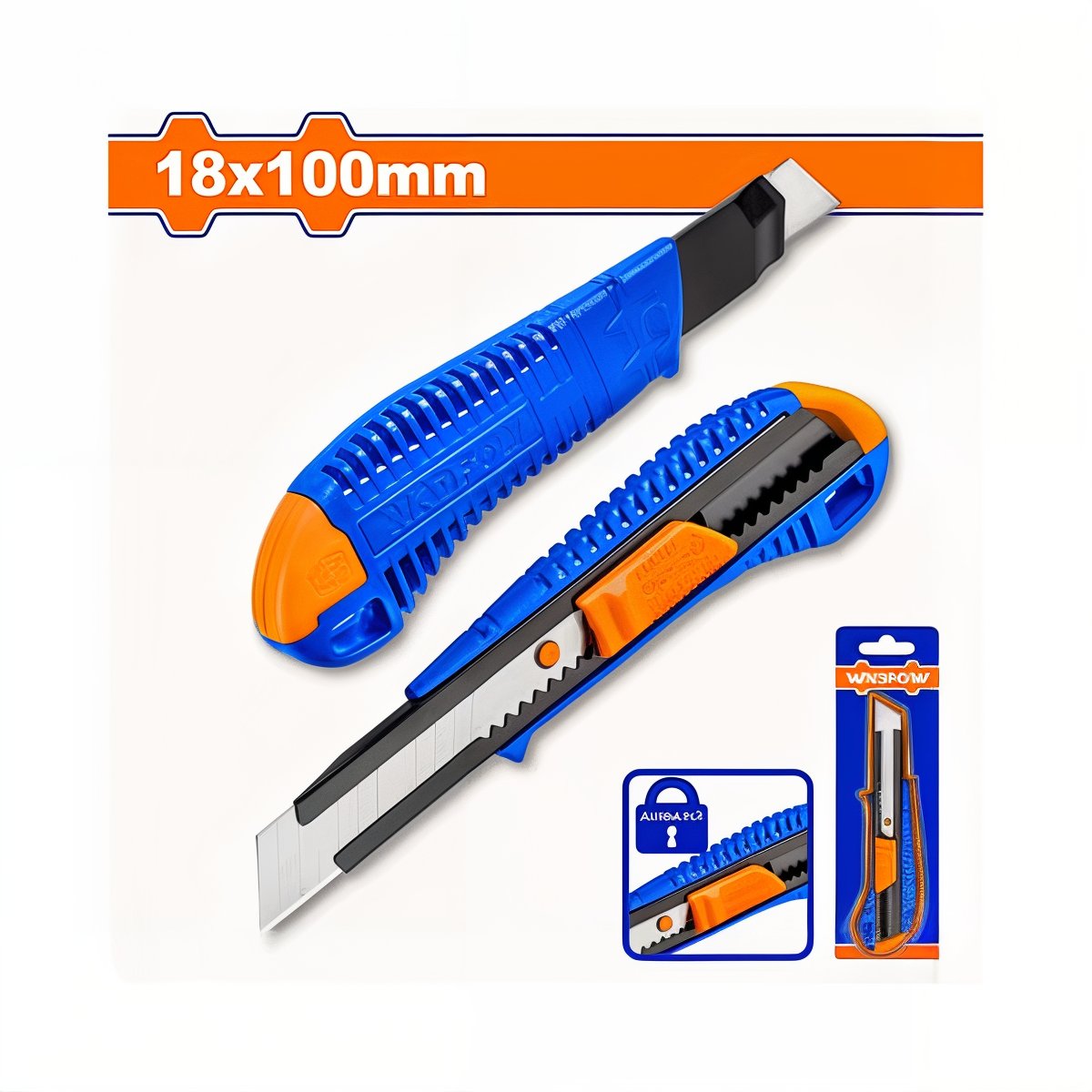 | סכין יפני מקצועי RAMOX | **₪4** incl. VAT | ✅ In Stock | 🛒 Buy |
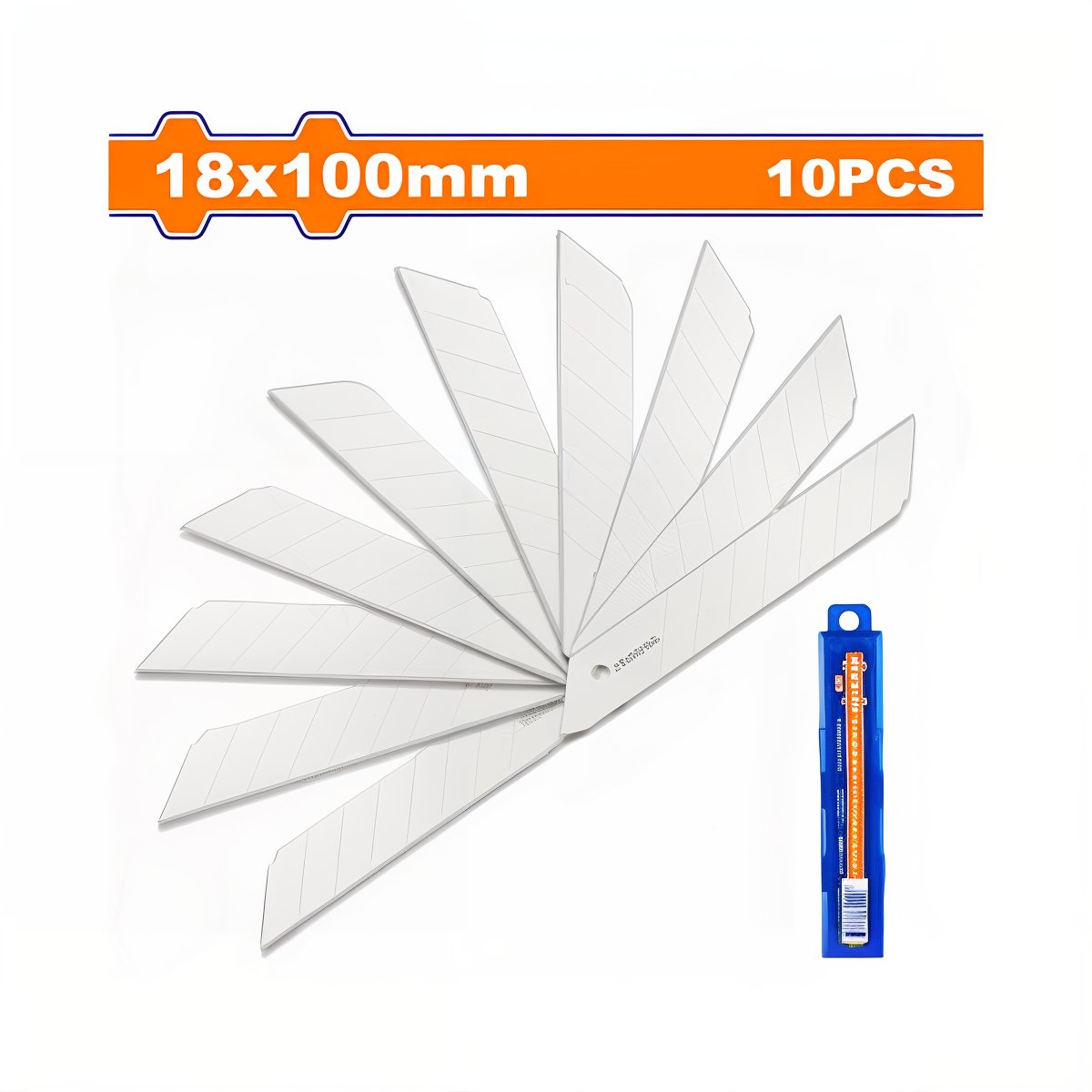 | להב סכין יפני מחוזק RAMOX | **₪7** incl. VAT | ✅ In Stock | 🛒 Buy |
Products You'll Need ⭐
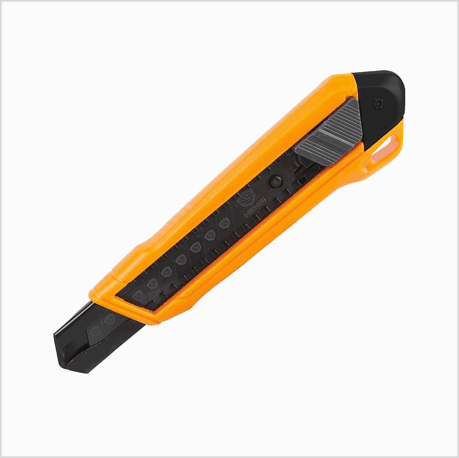
Professional Japanese Utility Knife 18 mm (FC03201) DINGQI
₪6
View product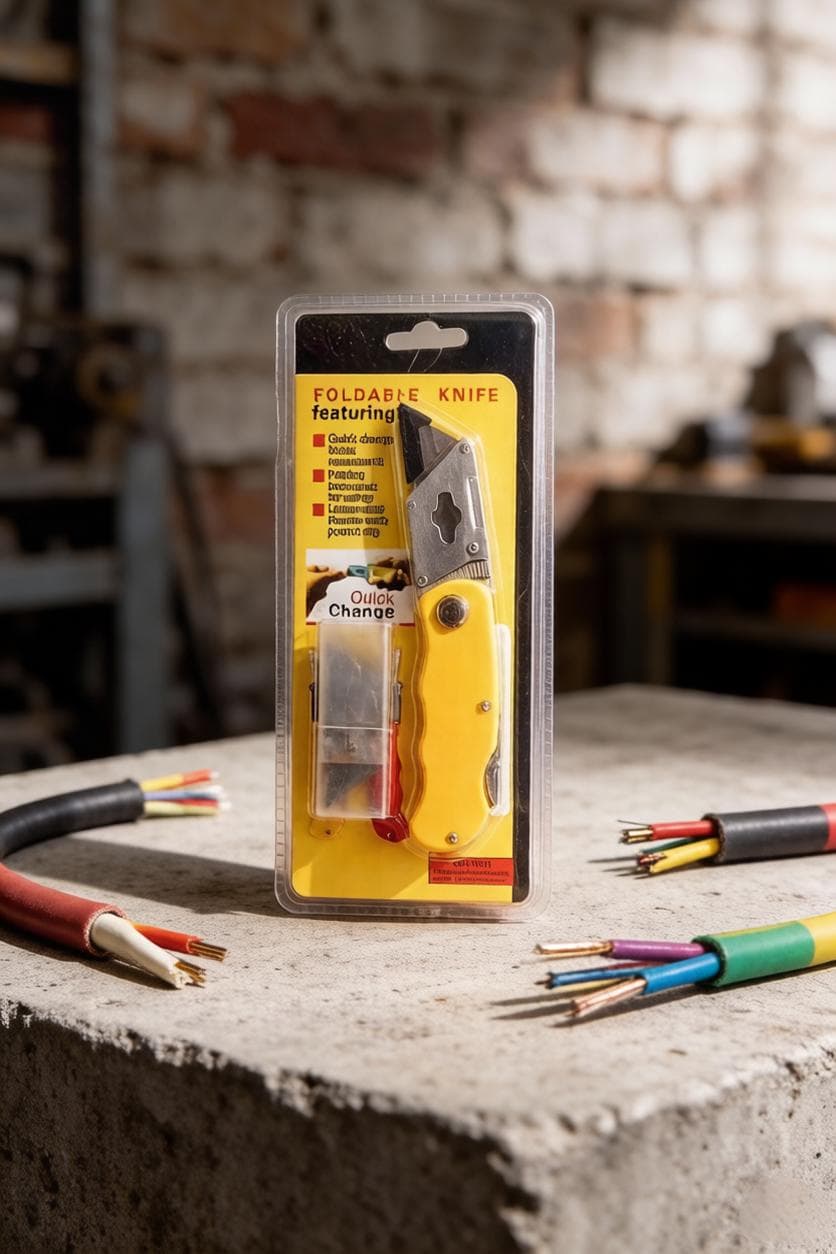
Folding Carpenter Knife with Quick Blade Change - Quick Change RAMO Heavy Duty
₪12
View product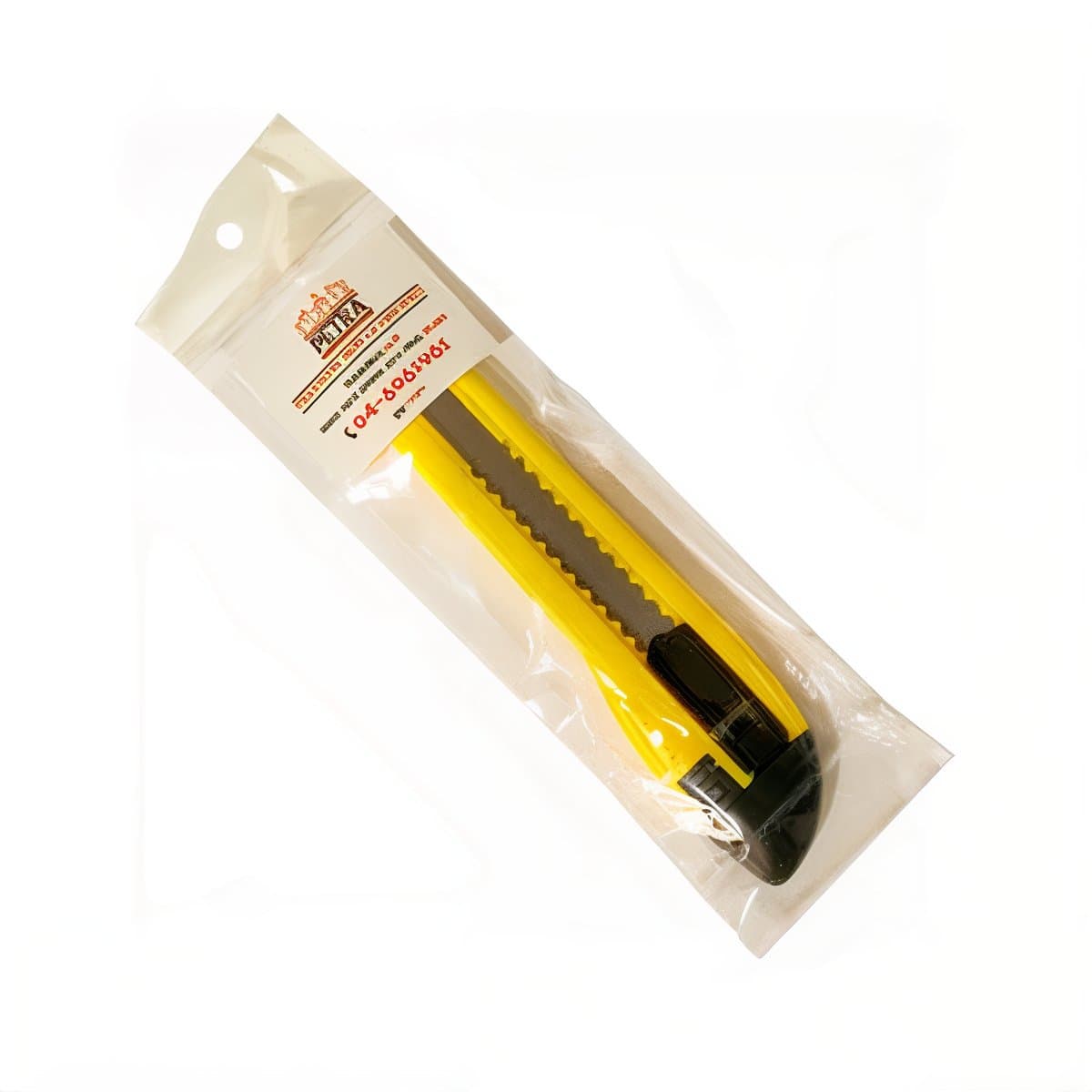
Reinforced Japanese Knife – Durable and High-Quality Tool
₪3
View product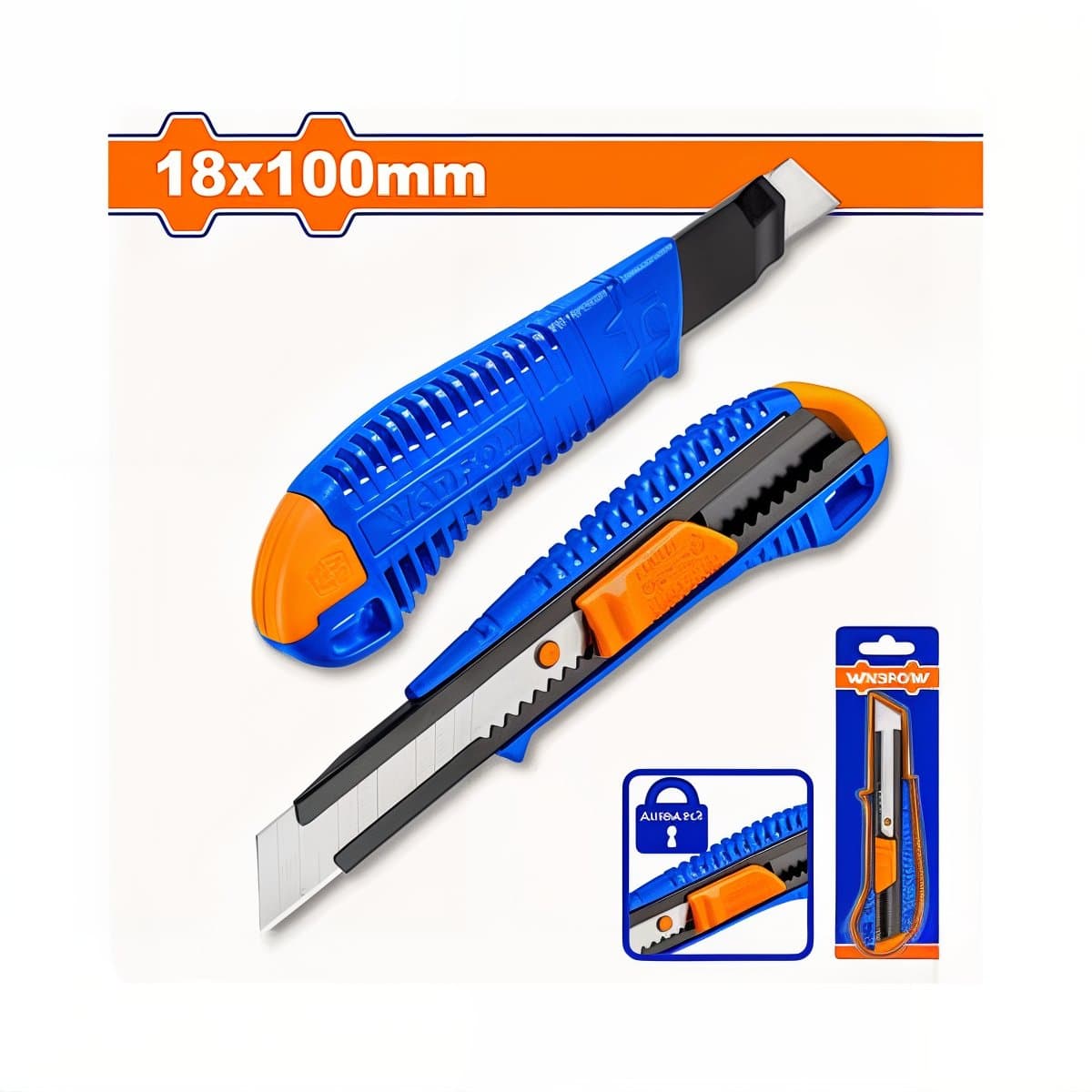
Professional Japanese Knife – Precision Cutting Made Easy
₪4
View product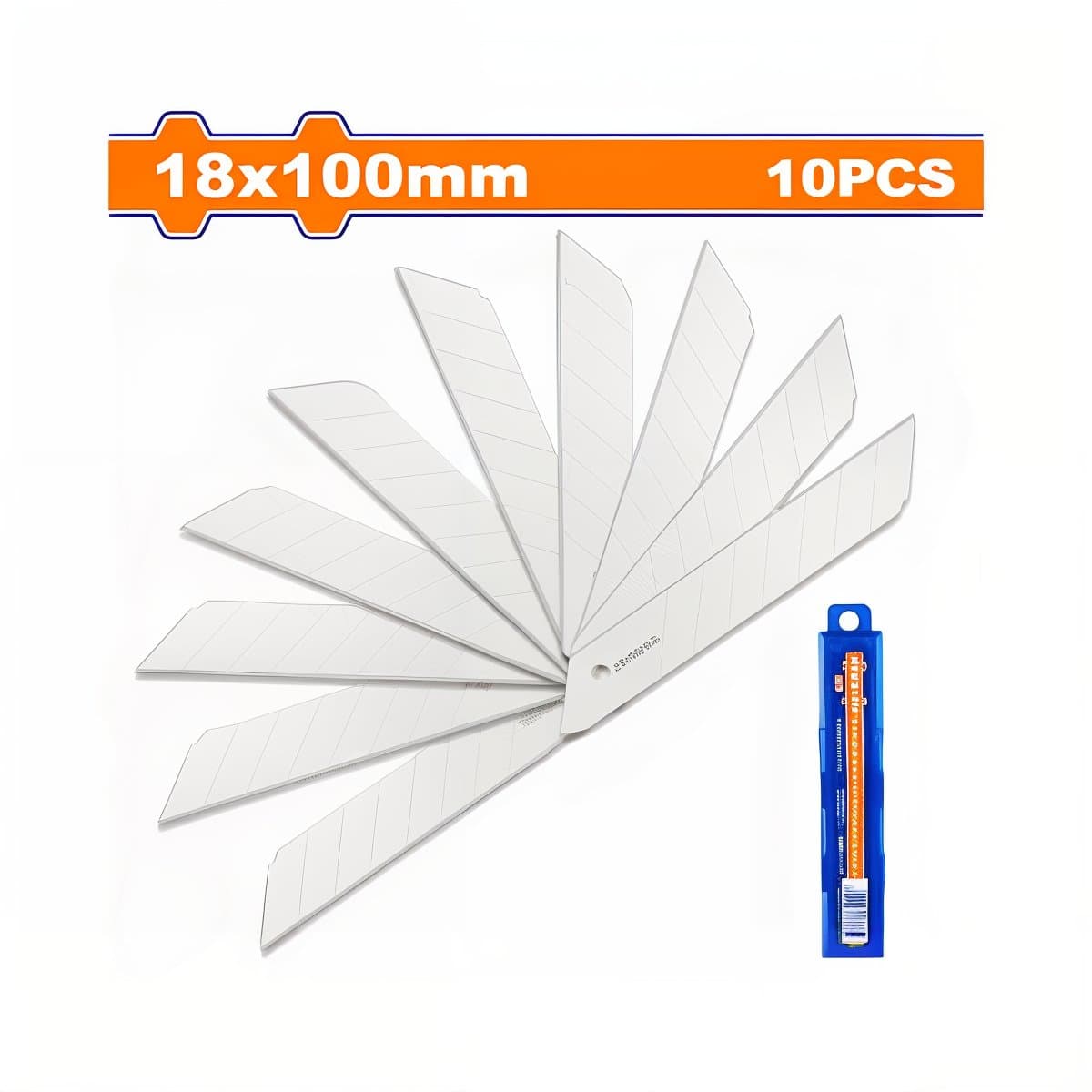
Japanese Knife Blade – Fortified or Regular Blade
₪3
View productFrequently Asked Questions ❓
What is the difference between 9mm and 18mm blades?
The 18mm blade is stronger and suitable for cutting drywall, thick cardboard, carpet, and linoleum. The 9mm blade is more precise and suited for thin cardboard, paper, and graphic work.
How many times can you snap a blade?
A standard blade is divided into 8-13 segments. Each segment sharpens the knife. When all segments are used — replace the entire blade.
Which knife is best for working at height?
A folding knife with blade lock (like RAMO Heavy Duty Quick Change) is safer because the blade won't accidentally come out of your pocket.
Can I cut metal with a utility knife?
Not recommended. For cutting thin metal (reinforced vinyl, thin sheet metal) use a special metal blade or appropriate cutter.
How do I safely dispose of old blades?
Place old blades in a rigid plastic bottle with a cap (like an oil bottle) and close it — never in an open waste bin.
Conclusion
The utility knife is a simple tool — but using it correctly saves work, ensures safety, and improves finish quality. Order now at ramo.co.il and get a sharp blade ready to work.